
Anticipatory Grief: Loving Your Hospice Pug Through the Final Days
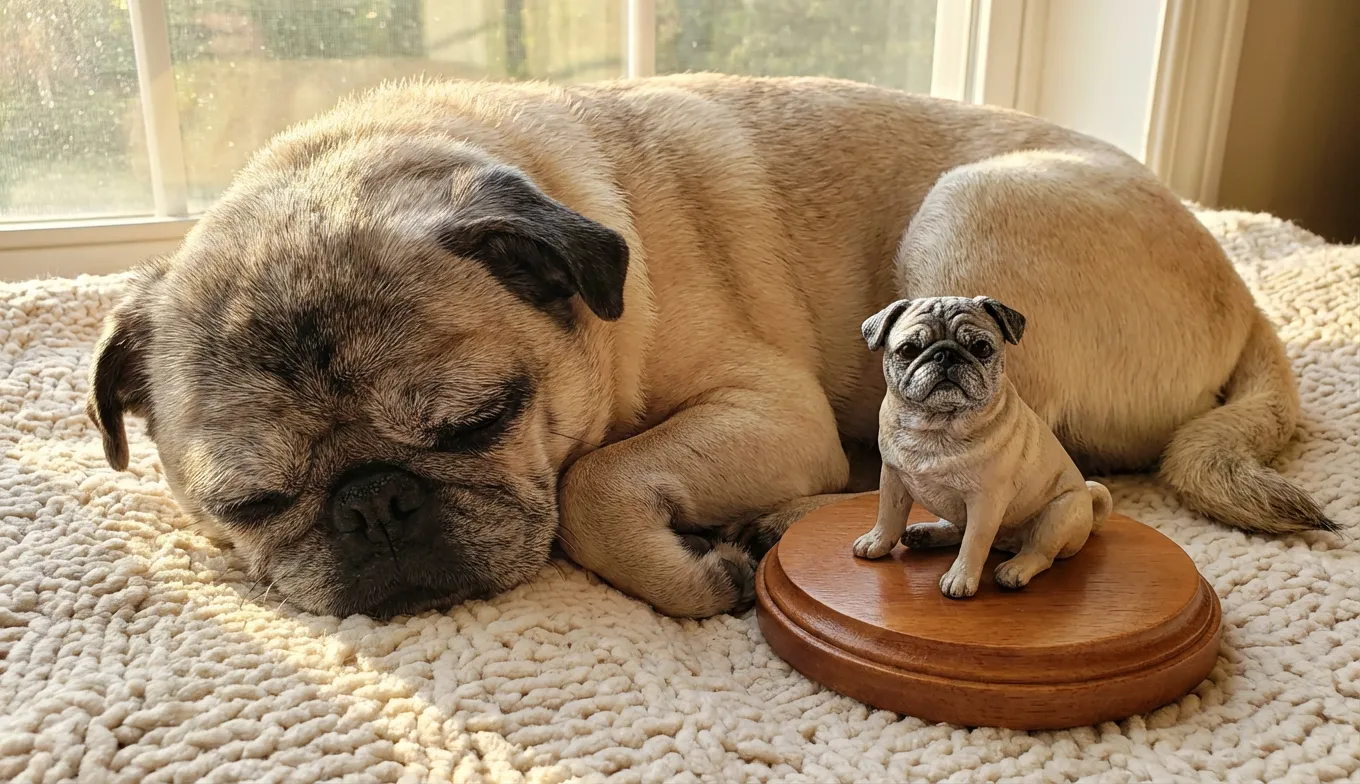
Veterinary oncologists estimate that the "terminal phase" for a geriatric dog can stretch anywhere from two weeks to six months, a prolonged period of limbo often called the "gray zone." Standing in the supplement aisle of the local pet supply shop, you aren't looking for the bright, squeaky toys anymore. You’re holding a bag of ultra-soft senior chews in one hand and a bottle of CBD oil in the other, calculating if the 30-day supply is too optimistic. That specific mental math—weighing the price of a bottle against the unknown timeline of a life—is the precise moment anticipatory grief moves from a psychological concept to a physical weight in your chest.
The fluorescent lights hum overhead, and you watch a new puppy owner excitedly grabbing a training clicker. You remember that phase. But right now, your world has shrunk to the rhythm of your pug's labored breathing and the schedule of their medication. This is the part of pet ownership nobody puts in the brochure: the long, quiet goodbye that happens while they are still here.
Quick Takeaways:
- The "Check-In" Anxiety: Waking up just to ensure your pug is breathing is a classic symptom of anticipatory grief; you are hyper-vigilant because you care.
- Pug-Specific Comfort: For brachycephalic breeds, temperature control and elevated head positioning are more critical than generic "soft bedding."
- Memory Preservation: Many owners commission custom pet figurines during this phase to capture their pet's likeness while they can still reference specific physical details.
- The Taboo Emotion: Feeling a sense of relief when you think about the end is not a betrayal; it's a natural reaction to the exhaustion of caretaking.
The unique silence of a Pug home
Most dog owners fear the silence after a pet passes. But for pug parents, the silence begins earlier, and it is terrifyingly specific. Pugs are noisy creatures by design. Their lives are a symphony of snorts, grunts, snores, and the click-clack of nails. When you enter the hospice phase, that symphony changes.The silence isn't total, but the quality of sound shifts. You become an expert in the cadence of their breath. You know the difference between a "contented snore" and a "struggling wheeze."
One of the families we worked with described it perfectly: "I stopped sleeping through the night, not because he needed to go out, but because his snoring stopped. I needed to hear the noise to know he was okay." This hyper-vigilance is exhausting. It puts your nervous system in a constant state of fight-or-flight, waiting for the other shoe to drop.
The Counterintuitive Insight:
Don't try to "fix" the silence with constant noise or TV. Instead, lean into tactile connection. Pugs are "velcro dogs" to the very end. If their hearing is fading (common in seniors), your touch is their primary language. Sitting on the floor with them, with a hand simply resting on their flank so they can feel your presence, does more for their anxiety—and yours—than any soothing music playlist.
Navigating the "Bad Days" vs. The End
With a hospice pug, the line between a "bad arthritis day" and "it's time" is blurry. Pugs are stoic little comedians who will often wag their curly tails even when they are in discomfort, which makes the decision-making process agonizing.We often hear from owners who feel paralyzed by the "When?" question. The mistake most people make is looking for a single catastrophic event to tell them it's time. In reality, it's usually a slow erosion of joy.
- Eating with gusto (the "pug hunger").
- Greeting you at the door (even if slowly).
- Seeking out a specific sunny spot or lap.
When they stop doing two of those three things consistently, the quality of life has shifted. For pugs specifically, pay close attention to the "pug hunger." A pug refusing food is a massive red flag that is different from a Labrador or a Poodle refusing food. It speaks to a deeper level of malaise.
The emotion nobody admits: Relief
Let’s talk about the feeling you’re likely suppressing because it makes you feel like a monster.You might have moments where you catch yourself thinking, I just want this to be over.
And then the guilt crashes down. You look at their graying muzzle, their cloudy eyes, and you feel ashamed for wishing away their final days. But here is the truth that we have learned from years of helping grieving pet owners memorialize their friends: You aren't wishing for their death. You are wishing for the end of their struggle, and the end of your own helplessness.
Caring for a hospice pet is a form of caregiving that requires 24/7 emotional and physical labor. You are lifting them down stairs, cleaning up accidents, managing complex medications, and watching a creature you love deteriorate. It is traumatic.
Acknowledging that you are tired doesn't negate your love. It actually proves it. You are exhausted because you are giving everything you have. Allow yourself to feel that relief without judgment. It is the brain's way of seeking a resolution to pain.
Capturing the spirit before the body fails
Anticipatory grief often triggers a panic about forgetting. You might find yourself taking a hundred photos a day, trying to freeze time. But often, photos of a sick pet can be painful to look back on later because they capture the illness, not the personality.This is where we see a shift in how people handle the final weeks. Rather than focusing on the medical reality, they focus on the legacy.
We’ve seen a rise in pet parents organizing "celebration of life" days while the dog is still well enough to enjoy a cheeseburger or a ride in a stroller. And increasingly, families are choosing to create tangible legacies, like custom pet figurines, during this window.
There is something grounding about the process. When a customer sends us photos for a sculpture, they often have to dig back through their archives to find pictures of their pug in their prime—standing strong, head tilted, tail in a perfect double curl. It forces a mental shift. You stop looking at the frail body in the dog bed and start remembering the vibrant soul that inhabits it.
Pro Tip: If you are considering a physical memorial, take close-up reference photos now of the small details you might forget: the specific pattern of black in their mask, the way their paw pads look, or the unique asymmetry of their ears. You don't have to look at these photos yet, but having them will bring you immense peace later when you want to commission a portrait or figurine.
Practical Comfort: The "Pug Slump"
Senior pugs often develop hind-end weakness (myelopathy is common in the breed). They may sink into a "frog leg" position or drag their feet.Standard advice is "get an orthopedic bed." But for a pug, you need to go further.
- The Yoga Mat Hack: Hardwood floors are the enemy of a senior pug. They lose traction and panic. Create pathways of yoga mats or non-slip runners throughout your house. The confidence this gives them is visible immediately.
- Elevated Feeding: Pugs have to work harder to breathe while eating. Raising their bowl so their neck stays neutral can actually help them keep food down and breathe easier during meals.
- The Stroller: It’s not "giving up" on walks; it’s changing the definition of a walk. Pugs are social. They need to smell the neighborhood news. A stroller lets them participate in the world without the physical exertion that taxes their heart and lungs.
The Last Act of Love
When the anticipatory grief eventually transitions into actual grief, you might be surprised by your reaction. Because you have been grieving for months already, the immediate aftermath might feel numb rather than explosive.That is okay. You did the hard work early. You sat in the uncertainty. You managed the medications. You cleaned the messes. You loved them through the hardest part of their life.
The "gray zone" is brutal, but it is also a sacred time. It is a period where the relationship is stripped of all the superficial fun—the tricks, the park runs—and distilled down to pure, unadulterated trust. Your pug looks at you and knows, with absolute certainty, that you will keep them safe until the very end. And you will.
Frequently Asked Questions
What exactly is anticipatory grief?
Anticipatory grief is the emotional experience of mourning a loss before it has actually occurred. In pet owners, it often begins with a terminal diagnosis or the onset of noticeable geriatric decline. It involves a mix of anxiety, dread, and sadness, often accompanied by the stress of medical caretaking.How do I know if my senior pug is in pain?
Pugs are notoriously stoic and often food-motivated even when unwell, which makes them tricky to read. Instead of looking for whimpering, look for behavioral changes: panting when it isn't hot, trembling, reluctance to jump on furniture they used to access easily, or a "hunching" of the back. If your pug cannot seem to get comfortable or keeps circling before lying down, this is a strong indicator of pain.Is it normal to feel relief after a sick pet passes?
Yes, and it is vital that you forgive yourself for this feeling. The relief is usually twofold: relief that your beloved friend is no longer suffering, and relief that the intense, 24-hour burden of caretaking has lifted. This reaction is a recognized psychological response to the end of a traumatic or high-stress period and does not diminish the love you felt for your dog.How can I memorialize my dog before they pass?
Many families find comfort in proactive memorializing. This can include creating ink or clay paw prints, hiring a photographer for a "twilight session," or commissioning art. At PawSculpt, we often work with owners during this phase to create custom figurines that capture the pet's healthy appearance, providing a tangible focal point for memories that focuses on their life rather than their illness.Honor Their Memory Forever
Your pet's story deserves to be preserved in a way that captures their unique spirit. A custom PawSculpt figurine transforms your cherished memories into a timeless keepsake—every whisker, every marking, every detail that made them irreplaceable.
Free instant AI preview • 3D artist preview within 7 days • 5 free revisions