
Caring for Your PawSculpt: Cleaning and Display Guide
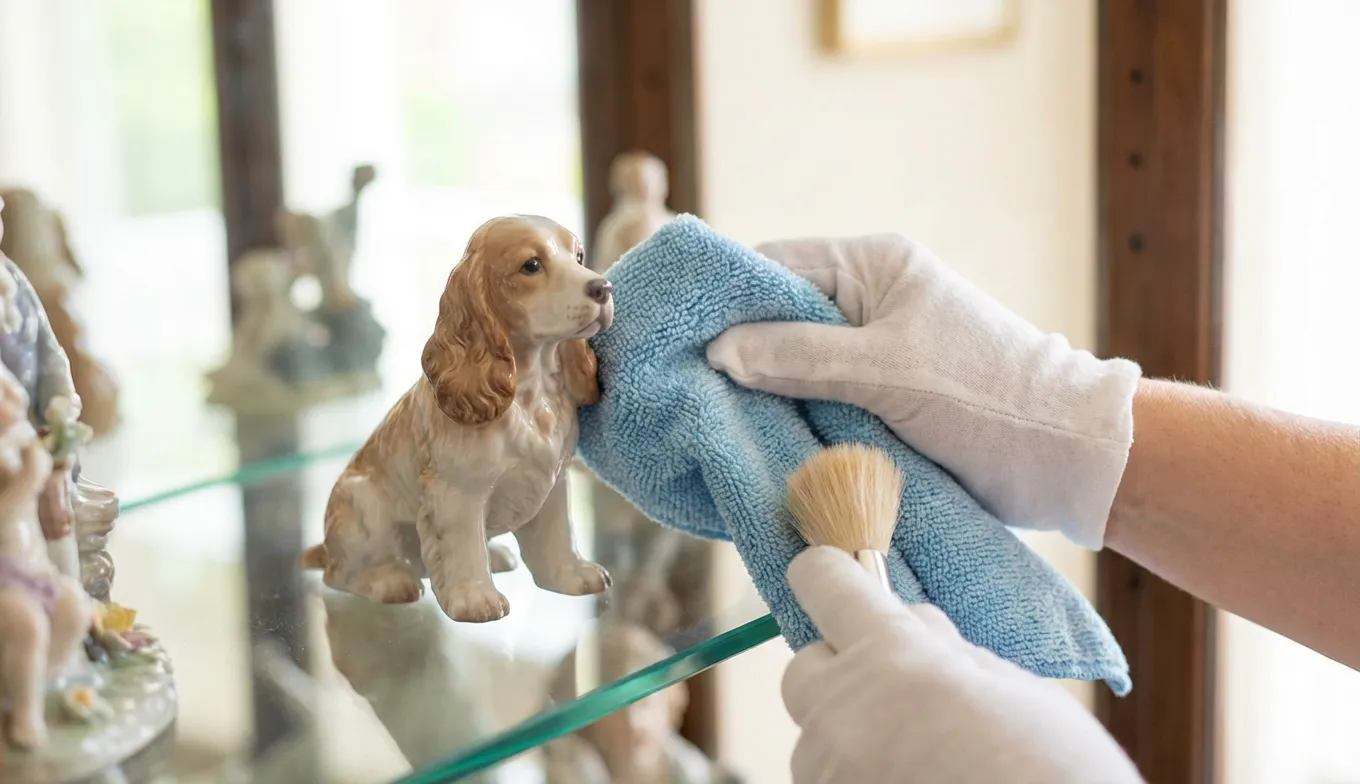
The dust settled on the mantlepiece quietly, almost imperceptibly, until a shaft of afternoon sunlight hit the resin curve of a familiar ear. It wasn’t just dust on an object; it was a dulling film over a memory. You reach out to wipe it away with your thumb—a reflex born of years scratching that exact spot behind your dog's ear—and hesitate. The fear isn't rational, but it’s real: If I scrub too hard, will the paint fade? If I use the wrong cleaner, will the resin yellow? If I drop it, does the memory shatter too? This hesitation is the burden of owning something irreplaceable. It’s not just plastic or stone; it’s a tangible anchor to a life that meant everything.
Quick Takeaways:
- Avoid "Over-Cleaning": Most damage comes from aggressive cleaning, not neglect. A soft makeup brush is your best tool.
- UV is the Enemy: Even UV-stabilized resins degrade in direct sunlight over years. Display your PawSculpt away from windows.
- Water is Dangerous: Submerging 3D printed resin can cause swelling or delamination if there are microscopic cracks. Use damp cloths, never baths.
- Temperature Shock: Resin expands and contracts. Avoid placing figurines near heat vents or drafty windows to prevent stress fractures.
- The "Tacky" Test: If your figurine ever feels sticky, it’s a sign of chemical breakdown or incomplete curing—move it to a dark, cool spot immediately and contact us.
The Engineering Reality: What You Actually Hold in Your Hands
Most care guides treat custom figurines like generic store-bought ceramics. That’s a mistake. To understand how to protect your PawSculpt, you need to understand the physics of its birth. We aren't pouring plaster into a mold here. We are building a memory, layer by microscopic layer.
We utilize MSLA (Masked Stereolithography) technology. Imagine a vat of liquid photopolymer resin. A UV light screen underneath flashes an image of a single slice of your pet—sometimes as thin as 0.05mm. The resin hardens instantly where the light hits. Then, the build plate lifts up just a hair, and the screen flashes the next slice. This happens thousands of times over ten to twenty hours.
Why does this matter for cleaning? Because your figurine has "grain," similar to wood, but on a molecular level. While we sand and prime to hide these layer lines, the structural integrity is anisotropic—meaning it’s stronger in some directions than others.
The Hidden Danger of Uncured Resin
When a print finishes, it’s covered in toxic, uncured goo. We wash it in isopropyl alcohol and then blast it with UV light in a curing chamber to cross-link the polymer chains, making it solid and safe.However, resin is hygroscopic to a degree—it can absorb moisture. If you soak your figurine in a bucket of soapy water, you risk water molecules wicking into microscopic pores. If that water gets trapped and the temperature changes, the expansion can cause what we call "delamination"—where those thousands of layers start to peel apart like a deck of cards.
The Engineer’s Rule: Treat your figurine less like a plastic toy and more like a watercolor painting. It’s durable, yes, but it hates moisture and relentless sun.
Cleaning: The "Dry First" Protocol
A customer once emailed us in a panic because she used a standard household disinfectant wipe on her custom cat figurine. Within an hour, the clear coat had turned milky white. The alcohol in the wipe reacted with the acrylic sealant. It was a heartbreaking, preventable chemical reaction.
Here is the safest, most effective cleaning hierarchy. Start at the top and only move down if absolutely necessary.
Level 1: The Air Bath (Weekly)
Dust is abrasive. If you wipe a dusty surface with a cloth, you are essentially sandpapering the finish.The Tool: A manual air blower (like the ones used for camera lenses) or a can of compressed air held at least* 12 inches away.
- The Method: Short bursts. Do not hold the can upside down, or you’ll spray freezing liquid propellant that can thermal-shock the resin and crack the paint.
- Why it works: It removes the grit without friction.
Level 2: The Soft Sweep (Monthly)
- The Tool: A high-quality, fluffy makeup brush (a blusher or kabuki brush). Do not use a paintbrush; the bristles are often too stiff and can leave micro-scratches in the clear coat.
- The Method: Gently "sweep" the dust off. Pay attention to the deep crevices—the texture of the fur, the undercut of the tail, the ears.
- The Trap: Don't use a "Swiffer" or chemically treated duster. The chemicals meant to trap dust can react with hand-painted acrylics over time, leaving a sticky residue.
Level 3: The Damp Pat (Yearly or for Stains)
Only do this if there is actual grime, like a fingerprint or a splash of coffee.The Solution: Distilled water with a single drop* of mild dish soap (like Dawn). No Windex. No bleach. No vinegar.
The Method: Dip a microfiber cloth (the kind for glasses) into the solution and wring it out until it is barely damp. It should not drip. Gently pat* the dirty area. Do not scrub.
- The drying: Immediately follow with a dry microfiber cloth. Never let water sit on the surface to air dry, as this leaves mineral deposits (water spots) that are harder to remove than the original dirt.
The Science of Display: Fighting Gravity and Light
We once visited a home where a beautiful 8-inch PawSculpt of a Golden Retriever was placed on a window sill. It looked majestic in the sun. But after two years, the "Golden" had faded to a pale beige, and the resin had become brittle.
Resin is a polymer. UV light is radiation. When UV hits resin, it acts like a microscopic hammer, breaking the long polymer chains that hold the material together. This is called photo-oxidation. Even though we use high-grade, UV-resistant clear coats, the sun remains undefeated.
The Vampire Rule
Treat your figurine like a vampire: it thrives in the shadows.- Direct Sunlight: The absolute worst location. It causes "yellowing" (even on painted models, the underlying resin shifts color, altering the paint tone from beneath) and chalking (where the surface becomes powdery).
- Indirect Light: Acceptable, but rotate the figurine every few months so one side doesn't fade faster than the other.
- LED Lighting: The gold standard. If you have a display cabinet, use LED strips. They emit almost zero UV radiation and very little heat. Halogen bulbs, by contrast, are resin killers due to the heat they generate.
Gravity and "Creep"
In the engineering world, "creep" refers to the tendency of a solid material to move slowly or deform permanently under the influence of mechanical stresses.If your figurine is a dog standing on three legs, or a cat with a long, extended tail, gravity is constantly pulling on those unsupported structures.
- The Temperature Factor: Resin softens as it gets warm. If your figurine is on a mantle above a working fireplace, the temperature might reach 80-90°F. At this temp, the resin becomes slightly more pliable. Over years, a tail might droop, or a leg might bow.
- The Fix: Keep the figurine in a climate-controlled area (65-75°F is ideal). Avoid radiator covers, fireplace mantles, or the top of gaming PCs/consoles.
Handling: The "Museum Grip"
When we ship a custom figurine, it is packed in die-cut foam to immobilize it. The moment you take it out, it becomes vulnerable. The most common breaks we see aren't from dropping the item on the floor—they happen when placing it back down on a shelf.
The Two-Hand Transfer
Never pick up a figurine by a limb, ear, or tail.- The weak points: In the printing process, thin areas like ears or tails often have less internal support structure. Even if they feel solid, the leverage applied by lifting the whole weight of the model by the ear can snap the connection point.
- The technique: Cup one hand underneath the base or the main torso. Use the other hand to steady the back.
The Surface Check
Before you set the figurine down, check the surface. Is it uneven? Is there a stray cable that could act as a spring?- The "Wobble" Test: Once placed, tap the shelf (not the figure). Does the figure shake? If so, use a small dab of museum wax (earthquake putty) on the base. This is non-destructive and prevents the figurine from "walking" off the edge due to vibrations from heavy footsteps or slamming doors.
Repairing the Unthinkable: What to Do If It Breaks
It happens. A cat jumps on the shelf. A dusting session goes wrong. The sound of resin hitting hardwood is sickening—a sharp clack followed by silence. You look down and see a paw separated from the body.
The panic is immediate. You feel like you’ve failed your pet all over again. Take a breath. This is fixable. Resin is incredibly forgiving if you know the chemistry.
Do NOT Use Super Glue (Yet)
The biggest mistake people make is rushing for the Crazy Glue (cyanoacrylate).- The problem: Super glue cures instantly and leaves no room for adjustment. It also "fumes"—releasing white vapor that settles on the paint around the crack, ruining the finish permanently.
- The Better Way: Use a two-part clear epoxy (5-minute set time). 1. Preparation: Clean both broken surfaces with a Q-tip dipped in isopropyl alcohol to remove oils from your hands. 2. Mixing: Mix the epoxy on a scrap piece of cardboard. Use a toothpick to apply a tiny amount to the center of the break. You don't want it squeezing out the sides. 3. The Hold: Press the pieces together. You have 5 minutes to get the alignment perfect. Hold it steady. 4. The Clean-up: If any epoxy oozes out, wipe it immediately with alcohol before it sets.
If the break is complex or the paint is chipped, contact us. We often guide customers through repairs or, in severe cases, discuss re-printing options. We keep your digital 3D files archived specifically for this reason.
Long-Term Preservation: The 10-Year Plan
We build PawSculpt figurines to last generations, but entropy is a constant force. Here is what to expect as your figurine ages.
1-3 Years: The Settling Period
You might notice the gloss finish dulling slightly. This is normal oxidation. You can restore luster by using a tiny amount of carnauba wax (automotive wax, non-abrasive) and buffing it gently. This adds a sacrificial layer of protection against the air.5-10 Years: Material Maturation
Depending on the specific pigment batch used, some lighter colors (whites and creams) may warm up slightly in tone. This isn't a defect; it's the nature of acrylic mediums. It often adds a "patina" that makes the piece look more like a classical sculpture.Hollowing and Drain Holes
If you flip your figurine over, you might see small holes in the base. These are drain holes.- The Engineering Why: We print larger models hollow to reduce suction forces during the printing process (which can rip the model off the build plate).
- The Risk: Uncured resin can sometimes remain trapped inside the hollow cavity. Over years, this resin can release gas.
- The Check: Once a year, smell the base of the figurine. If it smells chemically or sharp, the interior gas pressure might be building. This is rare with our current post-processing (we wash interiors thoroughly), but if you detect it, simply leave the figurine in a well-ventilated area for a few days.
The Emotional Maintenance
There is a strange phenomenon we see with memorial items. At first, they are shrines. You talk to them. You touch them daily. Then, slowly, life grows around the grief. The figurine becomes part of the background. One day, you realize you haven't really looked at it in months.
Then the guilt hits.
Don't let it. The figurine’s job isn't to force you to grieve forever; its job is to hold the space until you’re ready to visit again.
We recommend a "Re-Dedication" ritual during your yearly deep clean. When you take the time to brush the dust from the fur texture, use that time to actively remember. Remember the coarseness of their actual fur. Remember the sound of their tags jingling.
Cleaning your PawSculpt isn't a chore. It’s an act of care. It’s 15 minutes where you are once again taking care of your boy or girl. You are grooming them, just like you used to.
Frequently Asked Questions
Can I put my figurine in a fish tank or terrarium?
Absolutely not. Standard 3D printing resins are toxic to aquatic life. Even if coated with a waterproof sealant, micro-fissures can develop over time, leaching chemicals into the water that will kill fish and reptiles. Furthermore, constant submersion will cause the resin to absorb water, swell, and eventually crack apart.Why does my figurine feel sticky?
Stickiness is a sign of "uncured monomer" on the surface or a reaction between the clear coat and a cleaning chemical. If you just received it, it’s a manufacturing error—contact us immediately. If it happens years later, it’s likely due to using an ammonia-based cleaner (like window spray) or exposure to high heat. Move it to a cool, dry place and stop touching it to prevent fingerprint impressions.Can I keep my figurine outside on a grave marker?
No. Our standard figurines are designed for indoor display. Outdoor environments subject the resin to freeze-thaw cycles. Water gets into microscopic cracks, freezes, expands, and shatters the model (similar to potholes in a road). Additionally, direct UV sunlight will bleach the paint within months. If you need a grave marker, we recommend casting the print in bronze or cold-cast porcelain, which requires a different production process.How do I remove scuff marks?
If the scuff is just on the surface (transfer from another object), use a white art eraser. Gently rub the mark. Do not use a "Magic Eraser" sponge—those are made of melamine foam, which is essentially microscopic sandpaper. It will remove the scuff but also sand off the clear coat and paint, leaving a dull spot.Is the resin toxic to other pets if chewed?
Cured resin is generally inert, but if your new puppy chews on the figurine, two things happen: the figurine is destroyed, and the dog could ingest sharp shards of hard plastic. It is not poisonous in the way chocolate is, but it presents a severe physical blockage hazard. Keep figurines on high shelves, well out of "jump range."A Final Thought on Permanence
We obsess over the microns, the layer exposure times, and the tensile strength of our resins because we know we aren't making toys. We are making vessels for love.
When you wipe the dust off that small, painted nose, you aren't just cleaning a statue. You are acknowledging that the love is still there, bright and clear, beneath the layer of everyday life. Treat the object with the same gentleness you used when you checked their paws for thorns or cleaned their ears.
The figurine is durable, but it’s the care you put into it that makes it last forever.
Ready to Get Started?
Now that you know what goes into creating the perfect pet figurine, it's time to bring your vision to life. Our master sculptors are ready to capture every detail that makes your pet unique.
Free instant AI preview • 3D artist preview within 7 days • 5 free revisions