
The Empty Leash: Coping With Routine Changes After Losing a Border Collie
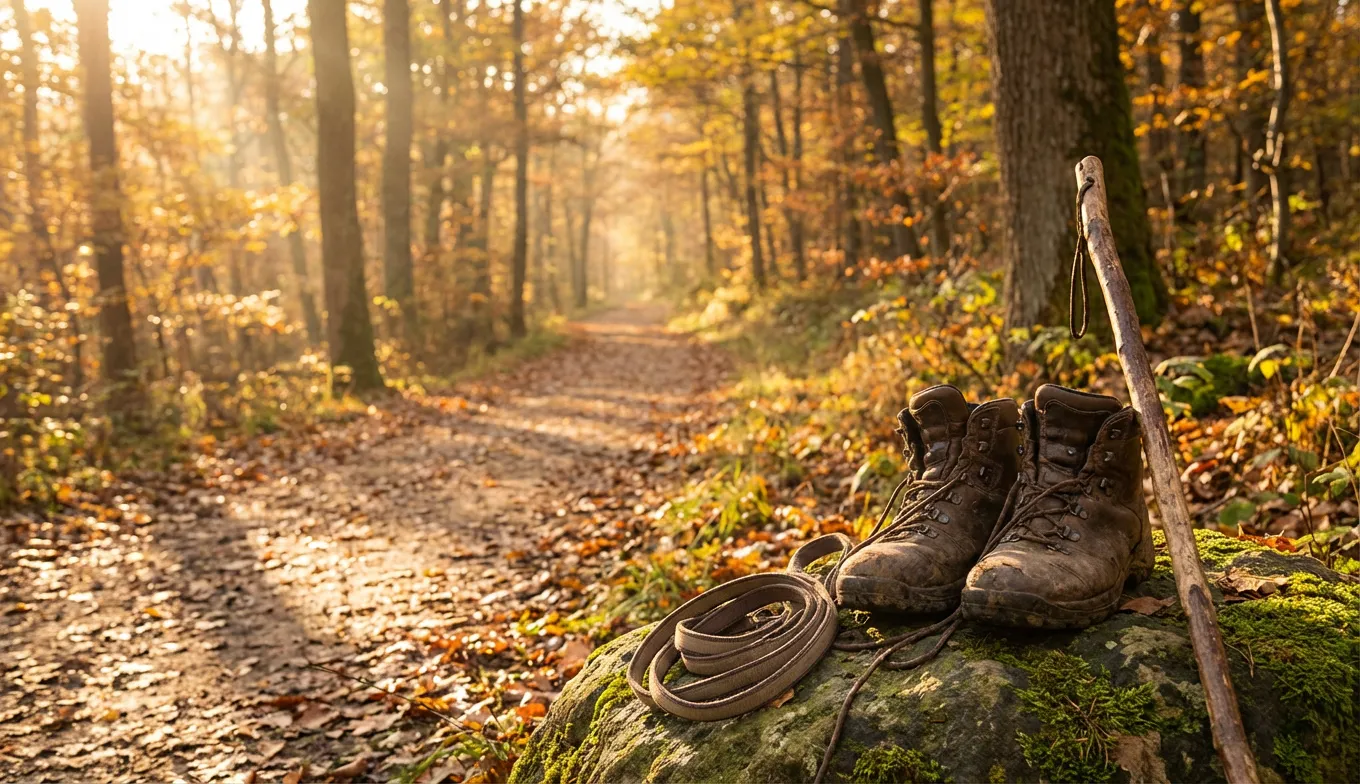
How many times have you walked past the local dog park this week, felt your hand instinctively twitch toward a pocket where you used to keep treats, and then had to remind your muscles to stop?
The park is loud on Saturday mornings—a chaotic symphony of barking, laughing, and the thwack of tennis balls hitting the grass—but for you, standing on the periphery without a leash in hand, the noise feels strangely distant. You watch a black-and-white blur cut a hard arc to intercept a frisbee, its focus absolute, its body vibrating with purpose. For a split second, your heart leaps because that intensity, that "eye," that desperate need to work... it looks so familiar. Then reality settles back in, heavy and quiet.
When you lose a Border Collie, you don't just lose a companion; you lose a job. You lose the structure of your entire day.
Quick Takeaways:
- The "Worker's Void": Grieving a high-drive dog creates a physical restlessness because your body is used to constant activity.
- Redirecting Energy: You need to replace the dopamine hit of training/herding with new, complex mental tasks for yourself.
- Tangible Anchors: Physical memorials work best for tactile grief—holding a custom figurine can ground you when your hands feel empty.
- The 6:00 AM Problem: Your internal clock won't reset overnight; use early mornings for a new ritual, not just "trying to sleep in."
The Silence of the "Working" Hours
Most pet loss articles talk about the quiet house. But they don't talk about the frantic energy that has nowhere to go. Border Collies aren't just pets; they are lifestyle managers. They dictate when you wake up, how far you walk, and how much mental energy you expend trying to keep them from getting bored.
Now, you have hours of surplus time. And strangely, this freedom feels terrible.
This is the "Worker's Void." Your brain has been wired for years to anticipate the needs of a creature that requires 110% of your attention. When that need vanishes, it leaves a vacuum that anxiety rushes to fill. You might find yourself pacing the kitchen at 5:00 PM—the "witching hour" for herding dogs—unable to sit still because your body remembers it should be throwing a ball or setting up an agility course.
The Counterintuitive Insight: Don't try to relax.
Everyone will tell you to "take it easy" or "enjoy the downtime." This is bad advice for a Border Collie owner. Your nervous system is calibrated to high activity. Trying to force relaxation often leads to agitation. Instead, you need to "work" your grief. Channel that restless energy into a project that requires focus and precision—reorganizing a room, taking up a complex hobby like woodworking, or training for a marathon. You need to exhaust your body to quiet your mind, just like you did for them.
The Guilt of the Unlocked Door
Here is a feeling few people admit to, but we hear it from customers constantly: the sudden, sharp guilt of doing something "forbidden."
Maybe it’s leaving the front door open for a minute while you bring in groceries, without fear of a dog bolting. maybe it's eating a sandwich on the couch without a wet nose nudging your elbow. Maybe it's booking a spontaneous weekend trip without the logistical nightmare of finding a kennel that understands high-drive dogs.
And then, immediately after the convenience, the shame hits. How dare I enjoy this ease? you think. I would trade all this convenience to have the chaos back.
This relief-guilt cycle is brutal. But it’s also a biological response. Your brain is registering a drop in cortisol (stress) associated with managing a high-maintenance animal. Feeling relief that the "work" is done doesn't mean you didn't love the dog. It means you were a dedicated handler who carried a heavy load of responsibility for a long time. It is okay to set that load down now.
Reclaiming the Walk (Without the Dog)
The leash hand is the hardest thing to retrain.
Border Collie walks were never passive strolls. They were missions. They involved scanning for squirrels, managing reactivity, practicing "heels," and keeping that intense brain engaged. Walking alone feels vulnerable, aimless, and frankly, boring.
One of our customers, Sarah, told us she stopped walking entirely for three months after her Collie, Scout, passed. "I felt naked out there," she said. "And I felt like a traitor walking his route without him."
Actionable Strategy: Change the Route and the Gear.
- Don't walk the old path yet. If you always turned left toward the park, turn right toward the town center. The old path is paved with muscle memory triggers.
- Occupy your hands. The sensation of an empty hand is a major trigger. Carry a coffee, a camera, or even hiking poles. Give your hands a job so they stop searching for the leash loop.
- Listen to something immersive. Audiobooks or complex podcasts work better than music. Music allows your mind to wander into sadness; a gripping narrative forces your brain to engage, mimicking the focus you used to need on walks.
When the Grief is Tactile
Grief isn't just emotional; it's sensory. With a Border Collie, you miss the specific texture of their coat—usually rougher on the outer guard hairs, incredibly soft near the ears. You miss the weight of them leaning against your shin (the "Collie Lean").
We often see grieving owners trying to fill this sensory gap with photos. But photos are flat. They engage the eyes, but they don't help the hands.
This is where three-dimensional memorials become vital. We’ve found that for owners of tactile, high-contact breeds, having a physical object to touch can ground a panic attack. It’s why we focus so heavily on texture in our work at PawSculpt. When we create custom pet figurines, we aren't just replicating a look; we're trying to capture the specific way their ruff fluffed out or the exact alert posture of their ears.
Having a tangible representation of your dog on your desk gives your eyes a place to rest and your hands something to hold when the "missing" feels too big. It’s not about replacing them—it’s about having a physical anchor in a world that suddenly feels too open.
The "Shadow" in the Hallway
Border Collies are masters of movement. They don't just walk; they stalk, they crouch, they orbit. Because their movement was so distinct, your brain is likely "seeing" them out of the corner of your eye more often than with other breeds.
You see a shadow move in the hallway, and your brain interprets it as the dog herding the cat. You hear a rustle, and you think it's them repositioning to watch the door.
This phenomenon is actually a hallucination born of prediction. Your brain is a prediction machine. For years, "black and white shape in peripheral vision" equaled "dog." It takes anywhere from 3 to 6 weeks for your brain to update its prediction model.
How to cope:
Don't fight it. When you "see" them, acknowledge it. Say out loud, "I thought I saw you, buddy." It sounds strange, but vocalizing it helps bridge the gap between your subconscious expectation and your conscious reality. It gently tells your brain, Yes, we saw that, but he isn't here anymore.
Navigating the "Get Another One" Pressure
Because Border Collies are a "lifestyle breed," people often assume you need another one immediately to function. Well-meaning friends might send you links to rescue litters, saying, "You need a place for all that love to go!" or "You're so active, you shouldn't be without a dog."
Here is the truth: You cannot plug a new dog into the hole the old one left.
Border Collies are individuals. The connection you had was built on thousands of hours of training, eye contact, and mutual understanding. A new puppy is not a continuation of that relationship; it is a demolition of your current grief process and the start of an entirely new construction project.
If you are still crying when you drop a piece of cheese on the floor, you aren't ready for a puppy. If you are looking for a dog that acts exactly like your late dog, you aren't ready.
Take the time to mourn the specific personality of the dog you lost. They weren't just a "high energy dog." They were your dog.
Moving Forward, Not Moving On
There will come a day when you walk past the park, hear the thwack of a tennis ball, and smile before you cry. You’ll remember the way they used to army-crawl through the grass or the specific "yip" they made when they wanted to play.
The routine will never go back to exactly how it was. You are different now. You are a handler without a dog, a worker who has retired from the specific job of loving that one, intense, brilliant animal.
But the skills they taught you—the patience, the observation, the ability to communicate without words—those stay with you. You keep the training.
Until then, be kind to your restless hands. Give them something to do. And forgive yourself for the relief, the anger, and the quiet.
Frequently Asked Questions
Why do I feel so restless after my Border Collie died?
This is incredibly common for owners of working breeds. Your nervous system has adapted to a high-alert state, constantly monitoring your dog's location, needs, and behavior. When that responsibility vanishes overnight, your body still produces the energy to "work," leaving you feeling jittery, anxious, or unable to sit still. It helps to channel this energy into a new physical project or hobby.Is it normal to feel relief after losing a high-needs dog?
Yes, and it is important to forgive yourself for this. Caring for a Border Collie is a demanding job that often restricts your freedom. Feeling relief that you can now leave the house easily or sleep in doesn't diminish your love. It simply acknowledges that the burden of care was heavy.How long does it take to stop hearing my dog's nails on the floor?
These "phantom sounds" are your brain's way of filling in the gaps of a predictable environment. For most people, these auditory illusions begin to fade after 3 to 6 weeks as your brain rewires its expectations of your home environment.Should I get another Border Collie right away to help with grief?
Most experts suggest waiting. The relationship with a Border Collie is built on a "mind-meld" that takes years to develop. A new puppy will be chaotic and nothing like your senior dog, which can lead to resentment or "imposter syndrome." Wait until you desire the future with a new dog, rather than trying to recreate the past with your old one.How can I memorialize my dog in a way that helps with the loss?
Because the loss of a dog is so physical, tactile memorials are often the most healing. Many families choose custom figurines because they offer a 3D representation that photos cannot providing a physical touchstone. Others find comfort in "active" memorials, like donating to a breed-specific rescue or sponsoring an agility obstacle at a local park.Honor Their Memory Forever
Your pet's story deserves to be preserved in a way that captures their unique spirit. A custom PawSculpt figurine transforms your cherished memories into a timeless keepsake—every whisker, every marking, every detail that made them irreplaceable.
Free instant AI preview • 3D artist preview within 7 days • 5 free revisions