
Guilt and Relief: Processing the Euthanasia of a Sick Persian Cat
The passenger seat of the car still had that faint dusting of white fur, pressed into the black fabric where the carrier had sat just hours before. The sun was hitting the dashboard with the same relentless brightness as it had on the drive there, but the air inside felt heavier, thicker. On the way to the clinic, the car had been filled with the ragged, wet sounds of labored breathing—a noise that had become the soundtrack of your life for the last six months. Now, the engine hummed against a backdrop of absolute stillness. You reached over to touch the empty spot on the seat, expecting a wave of crushing sadness. Instead, what washed over you was a cool, quiet sensation that felt disturbingly like peace. And then, immediately after, the guilt struck—sharp, hot, and suffocating.
Quick Takeaways:
- The "Relief-Guilt" Cycle: Feeling relief after a sick pet passes is a biological response to the end of caregiving stress, not a lack of love.
- Persian-Specific Struggles: The high-maintenance nature of the breed (grooming, respiratory issues) can make end-of-life care particularly exhausting, intensifying the relief.
- Reframing the Narrative: Shifting focus from "I gave up" to "I took their pain onto myself" is crucial for healing.
- Tangible Memories: Creating a physical touchstone, like a custom figurine, can help bridge the gap when the physical caretaking routines suddenly stop.
The Secret Emotion No One Talks About
We are prepared for the tears. We are prepared for the silence in the house. But almost no one prepares you for the moment you wake up the next morning and realize you don't have to crush a pill into a specialized kidney diet, wipe a tear-stained face, or listen anxiously to every breath.For owners of Persian cats, this transition is jarring. Persians aren't just pets; they are projects of love. Their care is tactile and constant. When they get sick—whether it's Polycystic Kidney Disease (PKD), which plagues the breed, or respiratory failure—the caregiving becomes a full-time job. You become a nurse first and a pet parent second.
When that job ends abruptly via euthanasia, the relief is physical. Your shoulders drop. You sleep through the night for the first time in weeks. But because we equate "grief" with "suffering," feeling good (or even just okay) feels like a betrayal.
Here is the counterintuitive truth: The intensity of your relief is actually a measure of how hard you were working to keep them alive. It is not a measure of how little you loved them. You aren't relieved they are gone; you are relieved that the suffering—both yours and theirs—has stopped.
The "Persian Paradox": Why High-Maintenance Breeds Complicate Grief
We’ve noticed something specific in our work with families memorializing different breeds. The grief associated with high-maintenance pets often carries a heavier load of "caregiver burnout."With a Persian, you were likely dealing with:
- Daily grooming requirements that became painful or impossible as the cat grew frail.
- Respiratory distress due to their brachycephalic (flat-faced) anatomy, which is terrifying to witness.
- Eye cleaning rituals that were necessary to prevent infection.
When you decide to euthanize, you aren't just stopping a heart; you are dismantling a complex infrastructure of care that you built out of love.
The "One More Day" Trap
A specific form of guilt haunts this decision: Did I do it too soon? Or worse, Did I wait too long because I wasn't ready to let go?We spoke with a customer recently who lost her Persian, Mochi. She told us, "I spent the last week just wiping his eyes and trying to get him to eat. I was so focused on the tasks of keeping him alive that I forgot to just be with him."
This is common. The "tasks" become a shield against the reality of death. When the tasks stop, the shield falls, and you're left wondering if you made the right call. If you felt relief when the vet finally pushed the plunger, it’s likely because deep down, you knew the battle was already lost. The relief was your intuition confirming what your heart was too afraid to admit: it was time.
Tangible Grief: When Your Hands Miss the Routine
Grief isn't just in your head; it's in your hands. For years, your hands knew exactly how to navigate the thick double coat of your Persian. They knew the shape of the skull under the fur. They knew the weight of the bowl.When that tactile feedback loop is broken, the brain panics. This is often where the "phantom" sensations come in—hearing a meow that isn't there, or reaching down to pet a spot on the sofa that is empty.
- Grooming Ritual: Some owners find peace in cleaning the brushes one last time and storing them away in a special box, rather than throwing them out.
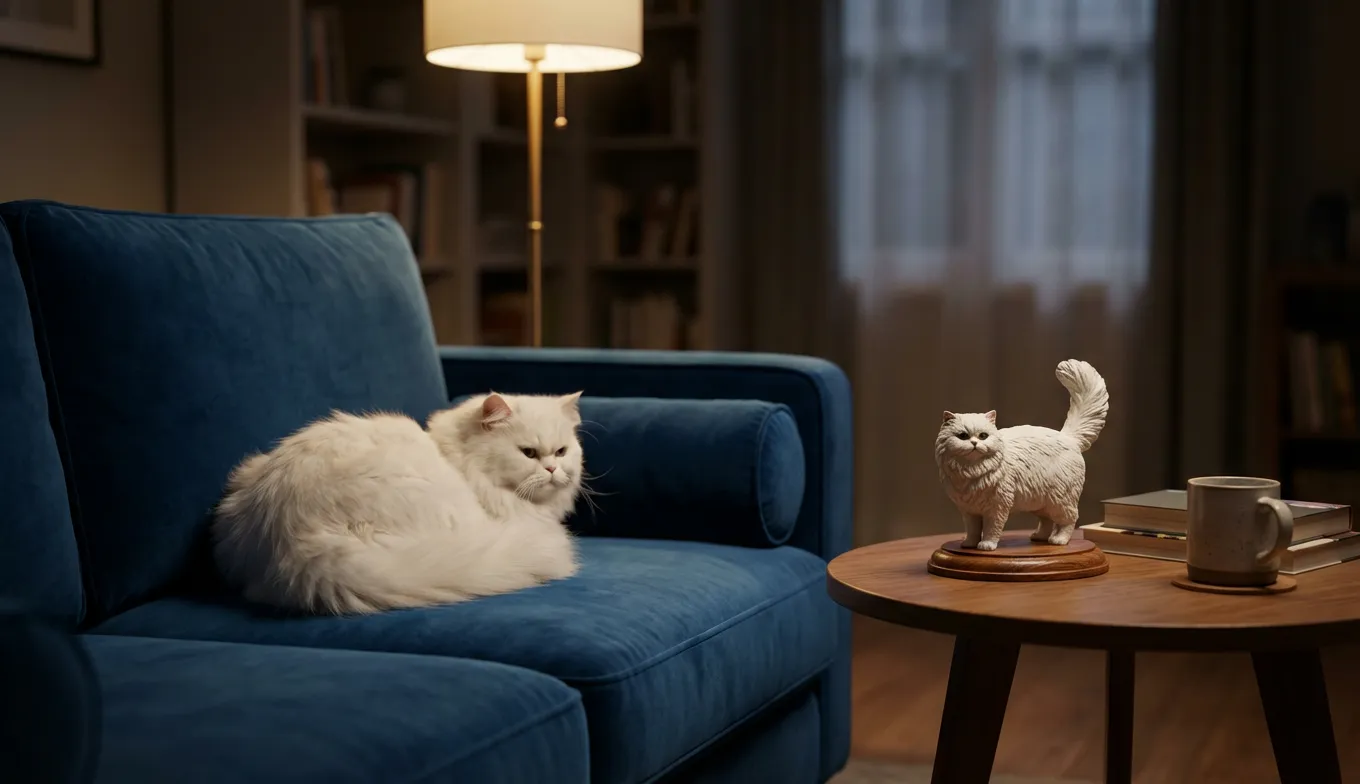
- Physical Memorials: We've seen a rise in people seeking custom pet figurines not just for display, but for touch. There is something grounding about running your thumb over a recreation of your cat’s distinct snub nose or the plume of their tail. It provides a focal point for the grief that has nowhere else to go.
Validating the "Bad" Feelings
Let’s look at the ugly emotions. The ones you might be afraid to whisper to your spouse or your friends.- Resentment: Toward the end, did you ever feel angry? Angry at the mess? Angry at the cost of the vet bills? Angry that your life was on hold? That is normal. Chronic illness is a thief that steals your time and energy.
- The "Clean House" Guilt: A few days after, you might notice your house is cleaner. Less fur. No litter tracking. Then, you feel gutted for noticing it. Acknowledge the thought—"My house is cleaner"—without attaching the judgment—"Therefore I am a bad person." Two things can be true: You can miss your cat desperately, and you can appreciate a clean floor.
A Strategy for the Guilt Spirals
When the guilt hits—that sharp intake of breath we mentioned earlier—try the "Prosecutor vs. Defense Attorney" exercise.The Prosecutor (Guilt) says: "You killed him. You gave up because you were tired."
The Defense Attorney (Reality) responds: "We made a compassionate medical decision based on the advice of a veterinarian to prevent further suffering. We absorbed his pain so he didn't have to carry it."
Write these arguments down. Seeing them on paper often exposes how weak the Prosecutor's case actually is.
Moving Forward Without Moving On
There is a fear that if you stop feeling guilty, you will start forgetting. That the pain is the only thing keeping the connection alive. This is a lie your grief tells you.You can release the guilt and keep the love. They are not the same thing.
Healing begins when you can look at a photo of your Persian and remember the soft purr or the way they "made biscuits" on your lap, rather than the final, clinical moments in the vet's office. It takes time to overwrite those traumatic final memories with the lifetime of good ones that preceded them.
Many families find that creating a dedicated space helps this transition. A small shelf with their collar, a favorite toy, and perhaps a custom figurine or framed photo creates a "shrine" of sorts. It allows you to visit your grief when you need to, but also step away from it to live your life—exactly what your cat would have wanted.
Frequently Asked Questions
Is it normal to feel relieved after euthanizing my sick cat?
Yes, absolutely. This is one of the most common, yet least discussed, reactions to pet loss. You are likely feeling relief that their suffering has ended and that the anticipatory grief—the long, anxious wait for the end—is over. This relief is a biological response to the cessation of stress; it is not a reflection of your love.How do I know if I euthanized my cat too soon?
This is the "unanswerable question" that plagues almost everyone. Veterinarians often say, "Better a week too early than a day too late." If you prevented your cat from experiencing a crisis—like drowning in their own fluids from heart failure or suffering a painful seizure—you gave them a final gift of mercy. You took the pain onto yourself so they wouldn't have to feel it.Why does the house feel so empty even if I have other pets?
A sick pet, especially a high-needs breed like a Persian, takes up a huge amount of "psychic space." Your brain was constantly tracking them—where they were, if they were eating, if they were comfortable. When that constant mental surveillance stops, the silence feels deafening, even if other pets are present.How can I memorialize my cat without it being too painful?
Start small. You don't have to build a shrine immediately if it hurts too much to look at photos. Some people prefer subtle memorials, like planting a bush in the garden or commissioning a piece of art or a custom figurine that captures their pet in a healthy, happy moment. This helps retrain your brain to remember them as they lived, not as they died.Honor Their Memory Forever
Your pet's story deserves to be preserved in a way that captures their unique spirit. A custom PawSculpt figurine transforms your cherished memories into a timeless keepsake—every whisker, every marking, every detail that made them irreplaceable.
Free instant AI preview • 3D artist preview within 7 days • 5 free revisions