
Creating a Memorial Garden for Your Maine Coon Who Loved Sunbathing
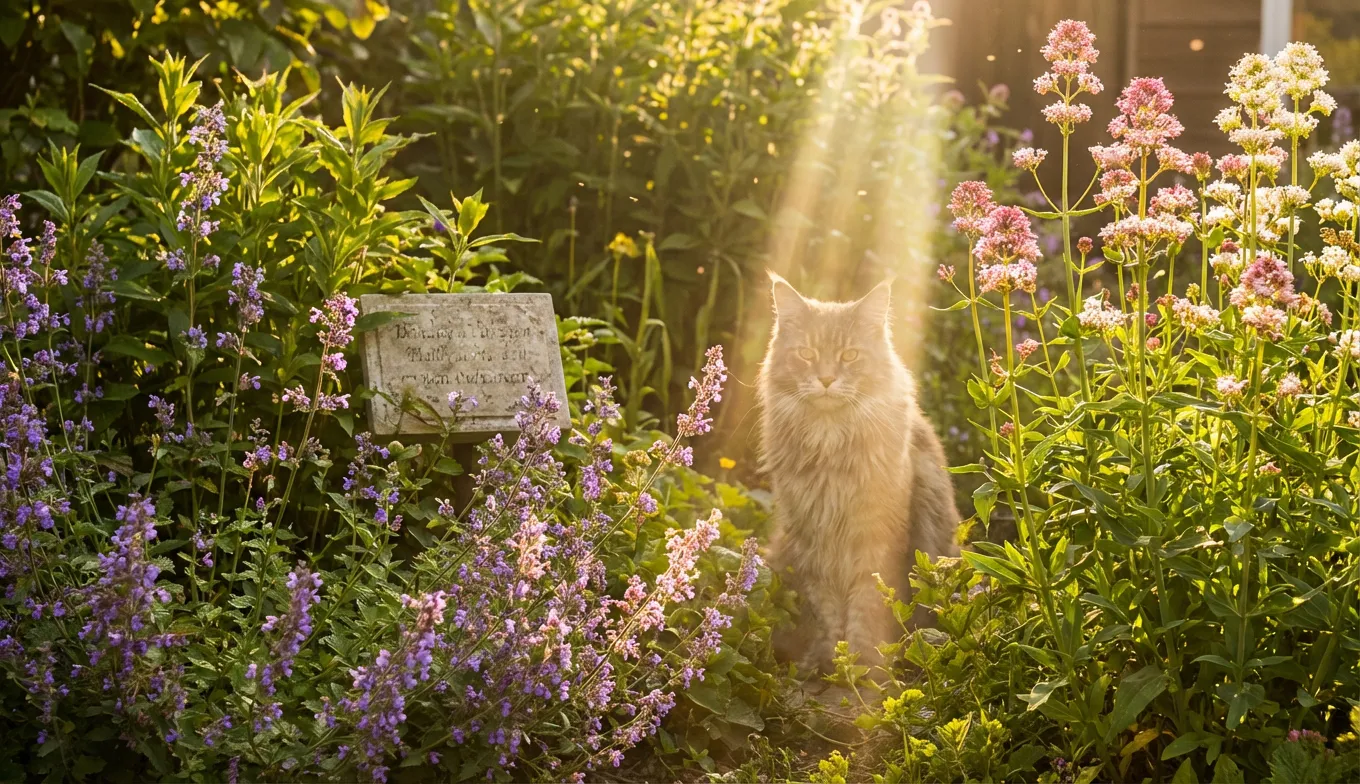
"To plant a garden is to believe in tomorrow." – Audrey Hepburn
The air in the attic is stale, thick with the scent of cedar and time. You’re up here looking for winter coats, pushing aside cardboard boxes labeled "Taxes 2018," but you freeze when a beam of afternoon light cuts through the dust motes. It hits the floorboards in the exact same way it used to hit the living room rug—the spot where your Maine Coon would sprawl, belly up, soaking in the warmth until their fur was hot to the touch.
It’s in these quiet, sun-drenched moments that the loss hits differently. It’s not the sharp, jagged pain of the first week; it’s a dull, heavy ache that comes from the absence of weight. You miss the thud of their paws landing from a jump, the trill of their greeting, the sheer physical presence of a cat that size occupying your space. Standing there in the attic, watching the dust settle, you realize you don't just want to remember them. You want to create a place that feels like them.
Quick Takeaways:
- Location Matters: Choose the "thermal sweet spot" of your yard—the place that holds heat longest into the evening.
- Scale is Key: Maine Coons are large, rugged cats; delicate flowers often feel wrong. Opt for tall ornamental grasses and sturdy shrubs.
- The "Basking Stone": Incorporate a large, flat rock that absorbs heat, mimicking their favorite indoor sunbathing spots.
- Personalization: Beyond a grave marker, consider a custom figurine or wind chime that captures their specific personality.
The Psychology of the "Sun Trap" Garden
Here is the thing about Maine Coons: they didn't just sit in the sun; they worshipped it. We’ve heard countless stories from families we work with about 20-pound cats contorting themselves into impossible shapes just to fit inside a shifting square of light on the carpet.
When creating a memorial space for this specific breed, a dark, shady corner with ferns—while traditional for grief gardens—often feels disconnected from their spirit. You need to build a "sun trap."
The Counterintuitive Insight: Most people look for the prettiest spot in the yard for a memorial. Instead, look for the warmest spot. Go outside at 4:00 PM. Where is the light hitting? Where is the wind blocked? That is where your Maine Coon would have been. That is where their memory should live.
By centering the garden around heat and light, you aren't just building a shrine; you are recreating a physical sensation they loved. It changes the way you interact with the space. When you sit there and feel the sun on your face, you are sharing a feeling they chased their whole lives.
Choosing Plants for the Gentle Giant
A delicate bed of impatiens rarely suits the memory of a rugged, tufted-eared hunter who looked like they just walked out of a Norwegian forest. Maine Coons are substantial animals, and their tribute garden should reflect that wild elegance.
We recommend focusing on texture and height rather than just color.
1. Ornamental Grasses (The "Stalking" Element)
Think about how your cat moved. Maine Coons love to push through resistance. Tall ornamental grasses like Feather Reed Grass or Switchgrass sway in the wind and create that rustling sound that likely drove your cat crazy (in a good way). They provide a "wild" backdrop that fits the breed's aesthetic.2. Catmint and Valerian (The Sensory Trigger)
If you want to feel close to them, plant things that would have engaged their senses. Catmint (Nepeta) is hardy, grows in large, sprawling clumps, and produces purple flowers that bees love. It’s a nod to their playful side without being as aggressive as traditional mint.3. The "Ruff" Mimics
This might sound strange, but look for plants with soft, touchable textures. Lamb’s Ear has fuzzy, silver-green leaves that feel remarkably like a cat’s ear. Touching the leaves while you weed or water can be a grounding sensory experience when you’re missing the tactile comfort of petting them.The Centerpiece: The Basking Stone
If you take only one piece of advice from this guide, let it be this: Get a rock.
Not a polished marble headstone, but a large, flat, natural fieldstone or piece of slate. Landscapers call this "thermal mass." During the day, the stone absorbs the sun’s energy. At dusk, when the air cools down, the stone remains warm for hours.
We worked with a customer in Oregon who did this for her Maine Coon, Barnaby. She told us that placing her hand on that warm rock in the evening was the only thing that calmed her anxiety in the months following his passing. It felt like him. It felt like life.
Pro Tip: Position the stone so it faces south or west to maximize sun exposure. You can surround it with low-growing thyme or moss, but leave the surface clear.
Addressing the Fear of Forgetting
There is a specific, jagged edge to grief that pet owners rarely admit to, but we see it all the time. It’s the fear of forgetting.
It’s the panic that hits six months in, when you realize you can’t quite recall the exact pattern of their tabby markings, or the specific way their tail hooked at the end. You have photos, sure. But photos are flat. Maine Coons are three-dimensional, imposing creatures. Losing that physical presence leaves a void that a picture frame simply cannot fill.
This is why the focal point of the garden matters so much.
Some families choose to bury ashes under the basking stone. Others need something they can see and touch. We’ve seen a shift away from generic "sleeping cat" garden statues—which often look like small domestic shorthairs—toward more accurate representations.
Because a Maine Coon isn't just a "cat." It’s the heavy brow, the tufted ears, the lion-like ruff. This need for accuracy is often what leads people to commission custom pet figurines (and yes, we do cats too) that are weather-sealed for outdoor use or kept on a porch overlooking the garden. Having a physical object that captures the exact look of your pet can act as an anchor for your memories, alleviating that terrified feeling that their image is slipping away from you.
Maintenance as a Ritual of Grief
Gardens demand care. They need weeding, watering, and pruning.
In the early stages of grief, you might feel guilty about "moving on." You might feel that if you aren't actively crying, you aren't honoring them. This is where the garden helps.
The physical labor of maintaining the space becomes a ritual. When you are deadheading the flowers or sweeping leaves off the basking stone, you are caring for them again. It channels that nurturing energy you have nowhere else to put.
- Spring: You are clearing away the old to make room for new growth, reminding yourself that life continues.
- Summer: You are sitting in the sun with them.
- Autumn: You are preparing the space for rest.
It transforms grief from a passive state of sadness into an active practice of love.
Closing Thoughts
You don't need a massive backyard to do this. A large planter on a balcony with a smooth river stone and some tall fountain grass works just as well. The goal isn't landscaping; it's connection.
When you finish your garden, go out there on the first sunny afternoon. Put your hand on the warm stone. Close your eyes. Listen to the wind in the grass. They aren't gone—not really. They’re just in the sun, where they always wanted to be.
Frequently Asked Questions
What if I move to a new house?
This is a common fear. If you are renting or plan to move, create a "container garden memorial." Use a large, high-quality planter for the ornamental grasses and place your basking stone inside or next to it. This way, the tribute is portable. We also recommend keeping custom keepsakes or urns separate from the ground soil so they can travel with you easily.How do I keep neighborhood cats from using the garden as a litter box?
Freshly turned earth is inviting to other cats. To prevent this without being unkind, place flat river rocks over the exposed soil around your plants. You can also plant lavender or rue, which are natural deterrents for many cats (though some don't mind them). The "basking stone" concept actually helps here, as it covers a large patch of soil.Is it normal to feel angry when plants in the memorial garden die?
Absolutely. When a plant in a memorial garden struggles, it can feel like you are failing your pet all over again. Please be gentle with yourself. Nature is unpredictable. If a plant dies, it is not an omen; it’s just gardening. Replace it with something hardier, and view it as an opportunity to tend to their memory again.Can I bury my pet's ashes directly in the garden?
You can, but be aware that cremated ashes have a high pH and high sodium content, which can actually be toxic to plant roots if placed directly against them. It is better to mix the ashes with organic soil or bury them in a biodegradable urn slightly deeper than the root level of your plants.My Maine Coon was an indoor-only cat. Is an outdoor garden appropriate?
Yes. Even indoor cats spend their lives watching the outdoors through windows. A garden gives them a place in the world they observed for so long. However, if it feels wrong, you can create a "sun trap" indoors—a dedicated window seat with specific plants and their photo or portrait bathed in natural light.Honor Their Memory Forever
Your pet's story deserves to be preserved in a way that captures their unique spirit. A custom PawSculpt figurine transforms your cherished memories into a timeless keepsake—every whisker, every marking, every detail that made them irreplaceable.
Free instant AI preview • 3D artist preview within 7 days • 5 free revisions