
Phantom Meows: Coping With Auditory Hallucinations After Losing a Bengal
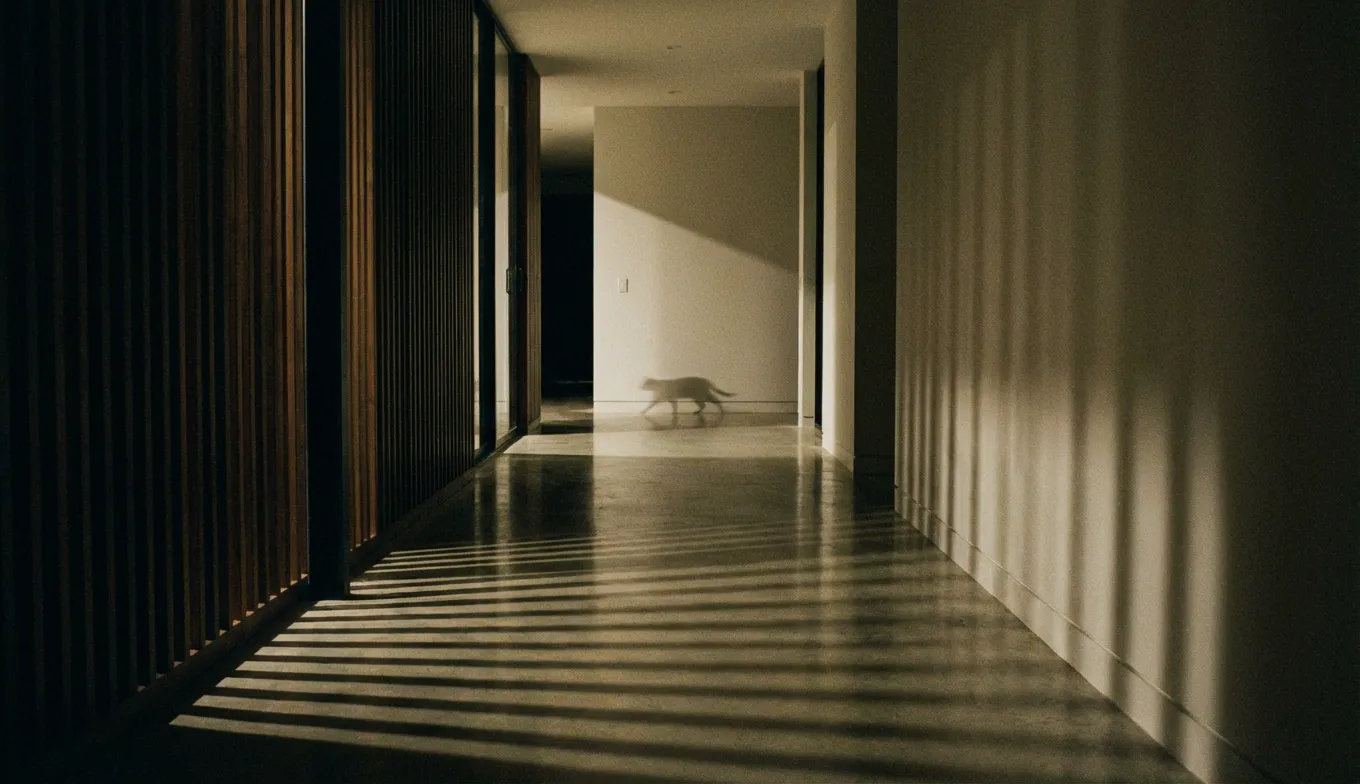
You’re kneeling in the damp soil of the backyard, pulling weeds near the hydrangeas. It’s a mindless task, the kind that usually lets your brain drift, until a sharp, distinctive trill cuts through the afternoon air. Your head snaps toward the back door, heart hammering against your ribs, because you know that sound. It’s the specific, demanding chirp your Bengal used to make when he wanted to supervise your gardening. But the patio is empty. The glass door is shut. And the crushing weight of reality settles back onto your shoulders.
For a split second, he was there. You were certain of it. Now, you're left standing in the garden with dirty hands and a feeling that makes you question your own sanity.
Quick Takeaways:
- It’s biologically normal: "Phantom cries" are a result of the brain's predictive coding; your mind is trying to fill a sudden void in its expected pattern.
- Bengals are different: Because Bengals are highly vocal and "talkative," their absence creates a more significant auditory gap than quieter breeds.
- Timeline: These experiences typically peak in the first month but can occur sporadically for up to a year.
- Coping mechanism: Grounding yourself with tangible memorials—like custom pet figurines or photo books—can help retrain your brain to accept the new reality.
The Neuroscience of the "Phantom Meow"
We need to start by validating something scary: You are not losing your mind. What you experienced in the garden is a well-documented psychological phenomenon, and honestly, it would be stranger if you didn't experience it.
Our brains are essentially prediction machines. When you live with a Bengal—a breed known for constant vocalization, chattering, and trilling—your brain creates a permanent "acoustic track" for your daily life. For years, your brain has predicted that a rustle in the kitchen means a cat is about to jump on the counter, or that the sound of a key in the door will be met with a greeting scream.
When that stimulus is suddenly removed, the brain doesn't stop predicting immediately. It anticipates the sound so strongly that it actually hallucinates it to complete the pattern.
The Counterintuitive Insight:
Most people think grief is about processing the past. But neurologically, these phantom sounds are your brain struggling with the future. It’s trying to predict the next ten seconds of your life based on old data. The "phantom meow" isn't a ghost; it's a habit your neurons haven't broken yet.
Why Losing a Bengal Sounds Different
We’ve worked with thousands of pet parents at PawSculpt, and we’ve noticed a pattern: Bengal owners report auditory hallucinations more frequently than almost any other breed owner.
Why? Because Bengals don't just meow. They narrate.
If you owned a Persian or a Ragdoll, your house might have been relatively quiet. But a Bengal home is a soundscape. There’s the "I'm hungry" scream, the "watch me run down the hall" chirp, and that weird, guttural clicking sound they make at birds through the window.
A Micro-Story:
One of our clients, Sarah, told us she couldn't sleep for three weeks after her Bengal, Tigger, passed. Not because she was sad (though she was), but because the silence was so loud it kept waking her up. Her brain was so accustomed to Tigger's 3:00 AM "singing" that the absence of the noise triggered her fight-or-flight response.
When the house goes quiet after losing a Bengal, the contrast is stark. The drop in decibels is significant. Your brain is scrambling to fill a much larger auditory void than the average cat owner faces.
The Secret Fear: "If I Stop Hearing Him, Do I Lose Him?"
Here is the emotional nuance that most grief articles gloss over. There is a terrifying moment, usually a few weeks in, where the phantom sounds stop.
You might think this would bring relief. Finally, you aren't jumping at shadows. Finally, you aren't waking up thinking they are scratching at the door.
But for many, the cessation of these sounds brings a wave of panic. There is a deep, unspoken fear: If I stop hearing him, am I forgetting him?
This fear of forgetting is often more painful than the grief itself. It feels like a second death. You might even find yourself straining to hear them, trying to mentally recreate the sound of their purr, terrified that the memory is fading.
We want to assure you of this: The fading of phantom sounds doesn't mean your love is fading. It means your brain is healing. It means your nervous system is finally accepting the new reality, moving from a state of hyper-vigilance to a state of remembrance. You aren't forgetting them; you are integrating their memory into a place where it doesn't hurt you to access it.
Grounding Techniques for Auditory Grief
So, how do you handle the moments when you swear you hear them? Or the moments when the silence is deafening? We recommend "grounding"—giving your brain a physical reality to latch onto so it stops trying to invent one.
1. The "Override" Method
When you hear the phantom meow, don't just shake it off. Acknowledge it, then override it with a physical action. Touch a specific spot on the wall, hold a pillow, or step outside. You are training your brain: "I heard that, but my physical reality shows me something different."2. Tangible Anchors
Since the auditory cues are gone, replace them with visual or tactile ones. This helps the brain transition from "expecting a living pet" to "honoring a memory."This is where many families find comfort in creating a dedicated physical space. We've seen owners set up a small shelf with a collar and a favorite toy. Others commission custom pet figurines (yes, we do cats too, with extreme attention to those unique Bengal rosettes) to sit on the windowsill where their cat used to bird-watch.
Having a physical object to look at when your ears deceive you provides a "reality check" that is comforting rather than jarring. It allows you to direct that energy toward a beautiful object rather than into empty space.
3. Record the Memory (While It's Fresh)
If you are terrified of forgetting their voice, stop trying to hold it all in your head. Did you have any videos on your phone? Back them up. Right now. If you don't have recordings, sit down and write a description of their sounds. Was their meow raspy? Did they trill when they jumped?Pro Tip: Describe the sound using comparisons. "He sounded like a rusty gate hinge," or "She chirped like a pigeon." These sensory details act as hooks, helping you retrieve the memory years down the road without your brain needing to hallucinate it.
When the Silence Finally Settles
It takes time for a house to "learn" to be quiet again.
Eventually, you will walk into the garden and hear only the wind in the hydrangeas. You will unlock the front door and hear only the click of the latch. It won't feel like an emptiness forever. Someday soon, it will just feel like peace.
The phantom meows are just echoes. They are evidence of how much space your Bengal took up—not just in your home, but in your mind and your nervous system. They are the reverberations of a love that was loud, demanding, and impossible to ignore.
And honestly? That’s exactly how a Bengal would want to be remembered.
Frequently Asked Questions
Are phantom pet sounds a sign of mental illness?
Absolutely not. Psychologists refer to this as a "grief hallucination," and it is incredibly common. It’s simply your brain’s way of trying to make sense of a disrupted routine. Because your Bengal was such a consistent part of your daily auditory environment, your brain is "autocorrecting" the silence. It’s a sign of deep attachment, not mental decline.How long do phantom meows typically last?
Every grief journey is individual, but we typically see this peak in the first 30 days. You might experience sporadic moments—often triggered by specific times of day, like feeding time—for up to six months or a year. If the experiences are causing you severe distress or anxiety after several months, speaking with a grief counselor can be very helpful.Why do I hear my Bengal more than my other cats?
It comes down to volume and frequency. Bengals are "high-input" pets. They talk, trill, scream, and chatter constantly. Your brain had to dedicate more processing power to filtering and interpreting their sounds than it would for a quiet Ragdoll. When that input stops, the "withdrawal" effect on your sensory processing is much more intense.Should I get a new cat to stop the silence?
We recommend pausing. The silence is painful, but it’s also part of the healing process. If you bring a new cat home immediately just to fill the void, you might find yourself resenting the new cat for not sounding like your Bengal. Or, you might feel guilty. Wait until you desire a new relationship, not just noise. In the meantime, consider exploring pet portraits or memorials to honor your Bengal before moving forward.Honor Their Memory Forever
Your pet's story deserves to be preserved in a way that captures their unique spirit. A custom PawSculpt figurine transforms your cherished memories into a timeless keepsake—every whisker, every marking, every detail that made them irreplaceable.
Free instant AI preview • 3D artist preview within 7 days • 5 free revisions