
The Rainbow Bridge: Explaining Where the 'Good Boys' Go to Toddlers
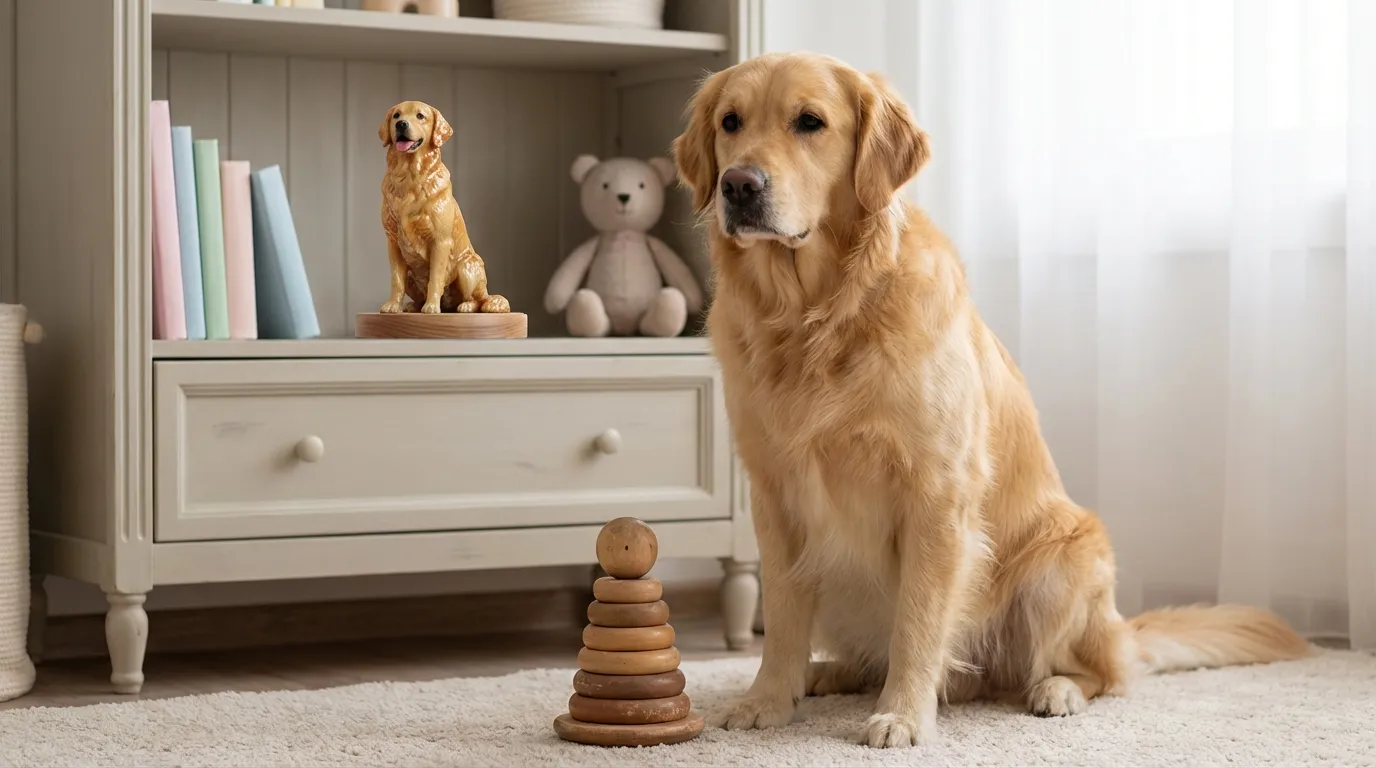
Three weeks ago, the kitchen floor was a chaotic ecosystem of its own. Cheerio crumbs didn't last five seconds before being Hoovered up by a wet nose, and the rhythmic click-click-click of nails on linoleum was the soundtrack to every breakfast. It was noisy, messy, and alive. Today, a single Cheerio sits under the high chair. It’s been there since 7:00 AM. That tiny, yellow circle of toasted oats screams louder than the barking ever did. You stare at it, coffee cooling in your hand, dreading the moment your two-year-old points at the empty water bowl and asks the question you haven't figured out how to answer yet.
Quick Takeaways:
- Toddlers are literal: Abstract metaphors like "went to sleep" can cause bedtime anxiety; use gentle but biological truths.
- Grief needs a location: Children process loss better when they have a physical place to direct their feelings, like a memorial shelf or garden stone.
- Tactile comfort is key: Toddlers grieve with their hands. A custom figurine or a special stuffed animal can bridge the gap between "here" and "gone."
- Behavior is communication: Expect regression (like bedwetting or tantrums) rather than sadness; this is how toddlers express confusion.
Why the "Rainbow Bridge" Might Be Confusing Your Toddler
We often rush to the "Rainbow Bridge" poem because it comforts us. It paints a picture of green meadows and restored health that adults desperately need to visualize. But for a toddler, a bridge is a piece of infrastructure. It connects Point A to Point B. If Buster is on a bridge, why can't we get in the minivan and drive there?
We once heard from a mother whose three-year-old packed a backpack with treats because she thought the "Rainbow Bridge" was a vacation spot she was excluded from. The abstraction backfired, creating feelings of abandonment rather than peace.
The Counterintuitive Approach: instead of focusing on where the pet is geographically, focus on the change in state. It sounds harsh to adult ears, but toddlers are surprisingly accepting of biological realities if explained simply.
Try saying: "Buster’s body stopped working. It was very old and tired, and the doctors couldn't fix it. He can't run or eat anymore, so he doesn't need his body." This removes the mystery of a magical bridge and explains why the dog isn't coming back, preventing the heartbreaking expectation of a return trip.
The "Gone" Conversation: Moving Beyond Euphemisms
There is a specific, jagged guilt that hits parents during this conversation. It’s the feeling that you are shattering your child’s innocence. You want to protect them from the permanence of death, so the temptation to say "he ran away" or "he's sleeping" is overwhelming.
Please, resist that urge.
Using "sleeping" as a synonym for death is one of the quickest ways to instill a fear of bedtime. If the dog went to sleep and never woke up, why would the toddler want to close their eyes tonight?
What actually works:
Be honest about your own sadness. Parents often try to hide their tears to be "strong," but this can be isolating for a child who senses the tension in the house. If you cry, explain it: "I'm crying because I miss Max. It's okay to be sad when we miss someone."
This validates the confusing emotions swirling inside them. It teaches them that grief isn't a monster to be hidden in the closet, but a natural reaction to loving someone.
Rituals That Make Sense to Little Hands
Toddlers are tactile creatures. They learn the world by grabbing, dropping, and touching. Death is abstract; it has no texture. This disconnect is why a child might look for the cat ten minutes after you told them the cat died. They aren't ignoring you—they just can't grasp a concept they can't hold.
You need to give their grief a physical form.
Create a "Hello" Spot
Designate a specific place in the house where the pet is remembered. This could be a shelf with a collar and a photo, or a painted rock in the garden. When your child asks where the pet is, you can take them to this spot and say, "Max isn't here anymore, but we can say hi to him right here."We’ve worked with many families who use custom pet figurines for exactly this purpose. Unlike a flat photograph, a 3D representation captures the volume and presence of the pet. We’ve seen toddlers gently pet the figurine or show it their new toys. It gives them a tangible outlet for the love that suddenly has nowhere to go. It transforms "gone" into something they can still interact with safely.
The "Memory Box" Activity
Get a shoebox and let your toddler decorate it with stickers and crayons. Fill it with safe mementos: a tag, a favorite (clean) toy, or a drawing they made. When they feel sad or ask about the pet, pull down the box. It gives you a structured activity to do together that honors the memory without dominating the entire day.The Fear That They Will Forget (And Why They Won't)
Here is the quiet, painful truth that keeps parents up at night: you are terrified that your child won't remember the dog who guarded their crib. You look at your two-year-old and realize that in a year, the memory of that wet nose will likely fade into a vague fuzziness.
This fear often drives a sense of urgency in parents—we over-explain, we force memories, we show videos constantly.
Take a breath. While they may not remember specific events, they will retain the imprint of the relationship. They will remember that animals are safe. They will remember how to be gentle. They retain the emotional foundation the pet built, even if the specific image fades.
However, if preserving the visual memory is important to you, consider art that stays in their environment. A pet portrait on the nursery wall or a lifelike sculpture keeps the pet as a familiar face in their daily landscape, making it easier to tell stories about them as the child grows.
When Grief Looks Like a Tantrum
You might expect your toddler to sit quietly and weep. More likely, they will throw a bowl of mac and cheese at the wall because you gave them the blue spoon instead of the red one.
Grief in toddlers looks like regression. It looks like:
- Sudden potty-training accidents after months of dryness.
- Clinginess or separation anxiety at daycare drop-off.
- Aggression toward you or other pets.
- Waking up in the middle of the night.
Their world has changed. The pack structure has shifted. They don't have the vocabulary to say, "I feel insecure because the protector of our house is missing," so they scream about the spoon.
Pro-Tip: When the regression hits, don't punish the behavior as defiance. Recognize it as distress. meaningful extra cuddles and maintaining a strict routine (meals, nap times) provides the safety structure they feel they've lost.
Moving Forward Without Moving On
Eventually, the Cheerio under the high chair gets swept up. The silence in the kitchen becomes the new normal. But navigating this loss with your toddler is actually one of the first, most vital lessons you will teach them about empathy.
You aren't just explaining death; you are teaching them that love is worth the eventual sadness. You are showing them that when things break, we don't just throw them away—we remember them. We honor them.
Whether you choose to plant a tree, commission a custom cat figurine, or simply share stories at bedtime, you are building a bridge far stronger than any rainbow. You are building resilience. And that is the greatest final gift your "good boy" could ever give your family.
Frequently Asked Questions
At what age should I introduce the Rainbow Bridge concept?
While the poem is beautiful, the metaphor is usually best reserved for children aged 5 and older. Toddlers (ages 2-4) are developmentally in a "literal" phase. If you tell them the dog is on a bridge, they may expect to go pick him up. For the under-5 crowd, stick to simple, biological explanations like "his body stopped working."Is it okay to let my toddler see me cry about our pet?
Yes, absolutely. Children are incredibly perceptive; they know when the emotional temperature of the house changes. If you hide your tears, they may feel confused or think they did something wrong. Seeing you cry validates their own feelings and models healthy emotional expression. It teaches them that sadness is not something to be ashamed of.Should we get a new pet immediately to help my child cope?
It is generally recommended to wait. While the silence in the house is hard, rushing to get a "replacement" can teach children that living things are interchangeable commodities. It can also lead to resentment if the new pet doesn't behave exactly like the old one. Give the family time to grieve the specific personality of the pet you lost before welcoming a new friend.Why is my toddler acting out after our dog died?
Toddlers lack the vocabulary to say "I am grieving." Instead, they process loss through behavior. Common reactions include regression (bedwetting after being potty trained), "baby talk," tantrums, or sleep disturbances. They aren't being "bad"; they are reacting to the instability in their environment. Patience and consistent routines are the best cure.Honor Their Memory Forever
Your pet's story deserves to be preserved in a way that captures their unique spirit. A custom PawSculpt figurine transforms your cherished memories into a timeless keepsake—every whisker, every marking, every detail that made them irreplaceable.
Free instant AI preview • 3D artist preview within 7 days • 5 free revisions