
Finding Peace: The Rainbow Bridge and Sudden Loss of a Young Corgi
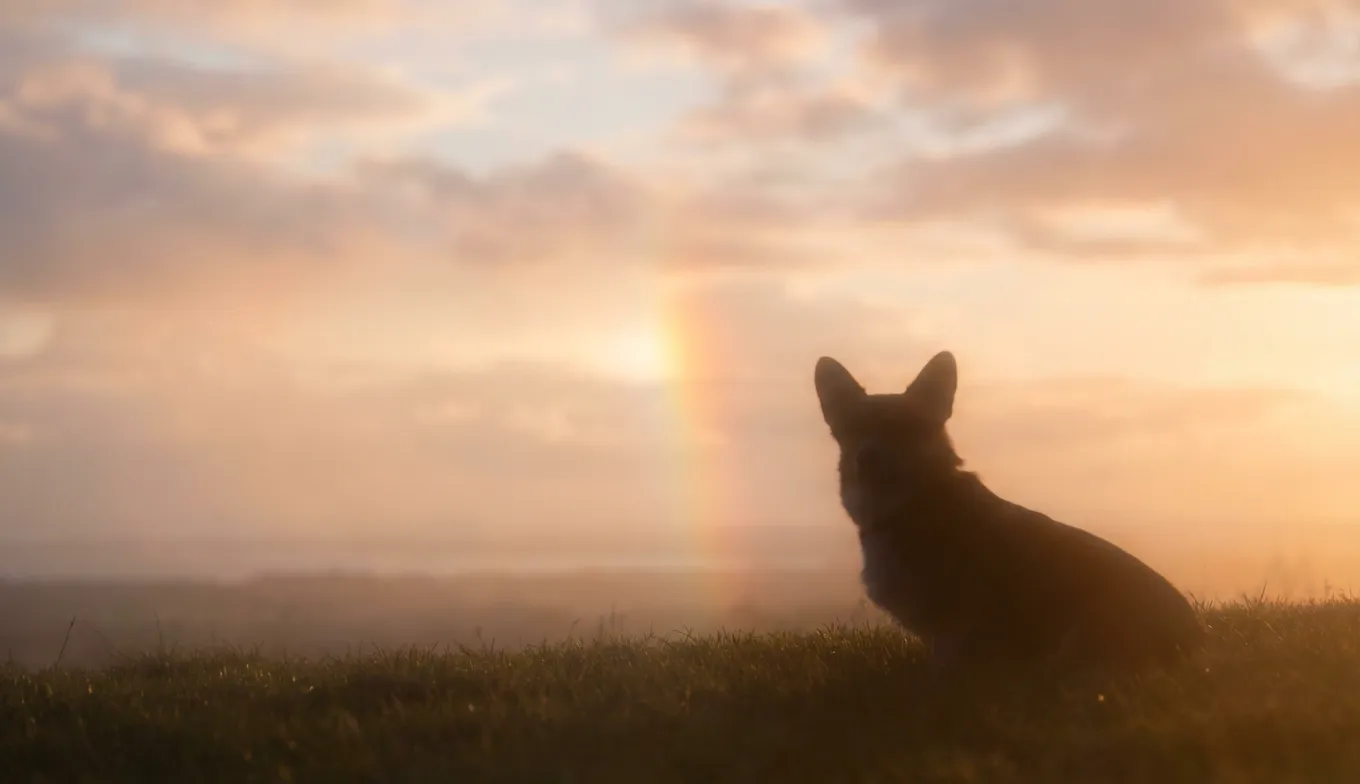
Do you still catch yourself bracing your arm on the walking trail, instinctively waiting for that sharp, enthusiastic tug on the leash that never comes? You see a flash of rust-colored fur ahead in the brush—maybe a fox, maybe just a pile of dead leaves—and for a split second, your heart hammers against your ribs because your brain insists it’s him. Then reality rushes back in, cold and absolute. The trail is quiet, but it’s not peaceful; it’s just empty.
The sudden loss of a young dog, particularly a breed as vibrant and full of character as a Corgi, doesn't feel like a natural conclusion to a story. It feels like a book ripped in half. When a dog passes in old age, we grieve the past. When a young dog is taken suddenly, we grieve the future—the hikes not taken, the balls not thrown, the years of companionship that were promised but never delivered.
Quick Takeaways:
- The "Future-Grief" Factor: Losing a young pet is psychologically distinct because you are mourning unfulfilled potential, not just memories.
- Validating Anger: It is entirely normal to feel intense anger or jealousy toward others who still have their pets; this is a biological response to unfairness.
- Tangible Anchors: Physical memorials, like custom dog figurines, often help ground anxiety better than photos because they occupy 3D space.
- Reframing the Bridge: For sudden loss, view the Rainbow Bridge not as a resting place, but as a release of bound-up energy.
The Deafening Silence of a "Loud" Dog
Corgis aren't just dogs; they are personalities with fur. They are vocal, opinionated, and physically demanding of space. They "frap," they "sploot," and they herd your ankles when you’re trying to get coffee. When that specific, high-wattage energy vanishes overnight due to an accident or a sudden medical event, the void left behind is massive.
Most grief guides will tell you to cherish the memories. But here is the angle that most people miss: The silence isn't just sad; it’s disorienting.
Your nervous system has likely attuned itself to the rhythm of a high-energy dog. You are biologically wired to expect the click-clack of nails on hardwood or the sudden thud of a body against the door. When those sensory inputs stop abruptly, your body enters a state of hyper-vigilance. You aren't just sad; you are physically anxious because your "alert system"—your dog—is gone.
We’ve heard from families who say the hardest part wasn't the crying, but the phantom sounds. Hearing a bark in the shower. Waking up because they thought they felt a weight on the bed. This isn't you "losing it." This is your brain trying to reconcile a sudden, traumatic change in your environment.
The Emotion No One Talks About: Anger and Jealousy
Let's be real about something that makes most pet owners feel like terrible people.
When you lose a young dog suddenly, you might find yourself looking at an older dog walking down the street—maybe a dog that looks stiff, tired, or even neglected—and thinking: Why is that dog still here when mine is gone?
Then comes the wave of shame. How could you think that?
We want to validate this for you right now: This is not cruelty. This is grief screaming at the unfairness of the universe.
When a loss is sudden, the brain scrambles for a reason. It looks for someone to blame. Sometimes you blame the vet. Sometimes you blame the driver. Often, you blame yourself (we'll get to that). But frequently, that anger projects outward onto the world. You might feel a flash of hot resentment seeing your neighbor playing fetch with their healthy Golden Retriever.
This anger serves a purpose. It’s a shield against the crushing weight of sadness. It’s easier to be mad than to be devastated. If you are feeling this, you aren't broken, and you aren't a bad person. You are just hurting, and anger is often the bodyguard of grief.
The Trap of "What If" (Navigating Guilt)
With sudden loss, the "What If" game is the most dangerous trap you can fall into.
What if I hadn't let him off the leash?*
What if I had noticed he was acting sluggish two hours earlier?*
What if we had chosen a different vet?*
Here is the counterintuitive insight we’ve learned from working with thousands of grieving families: Guilt is your brain’s way of trying to regain control.
If you can convince yourself that you made a mistake, it implies that the outcome was controllable. If it was controllable, then the world isn't a chaotic, scary place where bad things happen for no reason. Your brain would rather you feel guilty than feel helpless.
Recognize the guilt for what it is: a defense mechanism. It is a lie your mind tells you to make sense of the senseless. But looking back at the timeline with the benefit of hindsight is unfair to the version of you who was living in the moment, doing the best they could with the information they had.
Anchoring the Memory: Why Physicality Matters
One of the unique challenges with sudden loss is that you didn't have a "long goodbye." There was no gradual decline where you could mentally prepare. One day they were solid and warm; the next, they were gone.
This can lead to a desperate need for something tangible. Photos are beautiful, but they are flat. They live behind screens or glass. They don't cast a shadow.
We’ve found that for many people, especially those grieving a young, active dog, 3D representations can offer a different kind of comfort. It’s about occupying space. Seeing a physical form on a shelf or desk can trick the peripheral vision just enough to calm that hyper-vigilant anxiety we mentioned earlier.
This is why we approach our work at PawSculpt with such reverence. When we create custom pet figurines, we aren't just printing a model. We are trying to capture the specific tilt of a Corgi’s head when they hear the word "treat," or the specific way their ears fall back when they’re happy.
For a dog whose life was cut short, you might not want a figurine of them sleeping. You might want to remember them mid-sprint, or in a play-bow. Memorializing the energy rather than just the image can be a powerful way to honor a life that was all about motion.
Reframing the Rainbow Bridge for a Young Soul
The poem "The Rainbow Bridge" is a staple of pet loss. It speaks of restored health and waiting peacefully. But for a young dog who died in a tragic accident or from a sudden seizure, the idea of "restoration" might not fit. They didn't need to be restored; they were in their prime.
Maybe we need to reframe the Bridge for the young ones.
Don't picture your Corgi sitting and waiting. That wasn't their style here, and it won't be their style there. Picture the Bridge as the ultimate off-leash park. Picture it as the place where the fences are gone.
For the young dog taken too soon, the afterlife isn't a waiting room. It’s a release of kinetic energy. The physics of the universe says energy cannot be destroyed, only transformed. All that chaotic, beautiful, stubborn Corgi energy didn't just disappear. It went somewhere. It’s in the wind that pushes the leaves on your walking trail. It’s in the sudden warmth of the sun on a cloudy day.
Moving Forward vs. Moving On
There is a terrifying fear that comes a few weeks after a sudden loss: the fear that you will forget. You worry that if you stop crying every day, you are betraying them. You worry that if you get another dog, you are replacing them.
"Moving on" implies leaving something behind. We prefer the term "moving forward."
When you move forward, you bring everything with you. You bring the lessons they taught you about patience. You bring the love they gave you. You bring the funny story about how they ate a stick of butter off the counter. You carry it all in a backpack called "Memory."
You aren't leaving them. You are just learning how to walk the trail while carrying them differently.
If you decide to get another dog eventually, know this: The heart is not a limited-capacity vessel. Loving a new dog doesn't subtract love from the one you lost; it expands the vessel. And honestly? Your Corgi would probably be appalled if they knew you were wasting perfectly good treat-giving potential.
Practical Steps for the First Month
If you are in the thick of it right now, here is what actually helps (beyond the generic "take time" advice):
- Change the Routine: If walking the trail at 7:00 AM triggers a panic attack, walk at 5:00 PM. Or walk a different route. You don't have to force yourself to face the triggers immediately.
- Create a "Chaos" Memorial: Don't just save the collar. Save the destroyed chew toy. Save the muddy bandana. Frame the evidence of their life, not just the posed portraits.
- Write the "Lost Future" Letter: Write a letter detailing everything you planned to do together. The agility titles, the beach trips, the snowy mornings. getting it out of your head and onto paper honors those plans, even if they won't happen.
- Consider a 3D Tribute: If you find yourself needing to see their face from different angles, look into creating a custom figurine derived from your favorite photos. It can serve as a permanent, physical reminder of their spark.
Sudden loss is a trauma. It leaves a scar that is different from the grief of a natural passing. Be gentle with yourself. The silence will eventually stop being deafening and start being a space where you can breathe again.
Frequently Asked Questions
Is it normal to feel like I’m hearing my dog in the house?
Yes, this is incredibly common, especially after sudden loss. Your brain has created neural pathways dedicated to monitoring your pet's sounds and movements. When the source of those sounds is removed abruptly, your brain can "misfire," creating auditory or sensory hallucinations. It is a biological part of processing the change in your environment, not a sign of mental instability.How long does the "shock" phase of grief last?
While everyone is different, the acute shock and denial phase often lasts anywhere from a few weeks to a few months in cases of sudden death. Unlike anticipated loss (where you grieve during the decline), sudden loss hits you all at once. You may feel numb or "foggy" for quite some time before the reality fully sets in.I feel guilty about getting a new puppy. Is it too soon?
There is no universal timeline. Some people need years; others need the sound of paws in the house immediately to cope with the silence. The guilt you feel is usually fear—fear that you are replacing your lost friend. Remind yourself that a new dog is a new relationship, not a replacement. If you have love to give and the resources to care for a pet, the timing is yours to decide.How do I choose the best photo for a memorial figurine?
For a custom figurine, we recommend choosing a photo that captures their "essence" rather than just a perfect pose. If your Corgi was known for their "sploot," use that. If they had a goofy grin with one ear down, use that. The best memorials capture the personality quirks that made them unique, not just their breed standards.Why does losing a pet sometimes hurt more than losing a human relative?
This is a source of shame for many, but it’s psychologically valid. Our relationships with pets are often uncomplicated and pure. They don't judge us, argue with us, or have complex baggage. They are with us every single day, woven into the fabric of our daily routine. Losing that constant, unconditional presence disrupts our daily life in a way that losing a distant relative does not.Honor Their Memory Forever
Your pet's story deserves to be preserved in a way that captures their unique spirit. A custom PawSculpt figurine transforms your cherished memories into a timeless keepsake—every whisker, every marking, every detail that made them irreplaceable.
Free instant AI preview • 3D artist preview within 7 days • 5 free revisions