
Senior Rabbit Care: Adjusting Habitat for Your Aging Bunny Friend
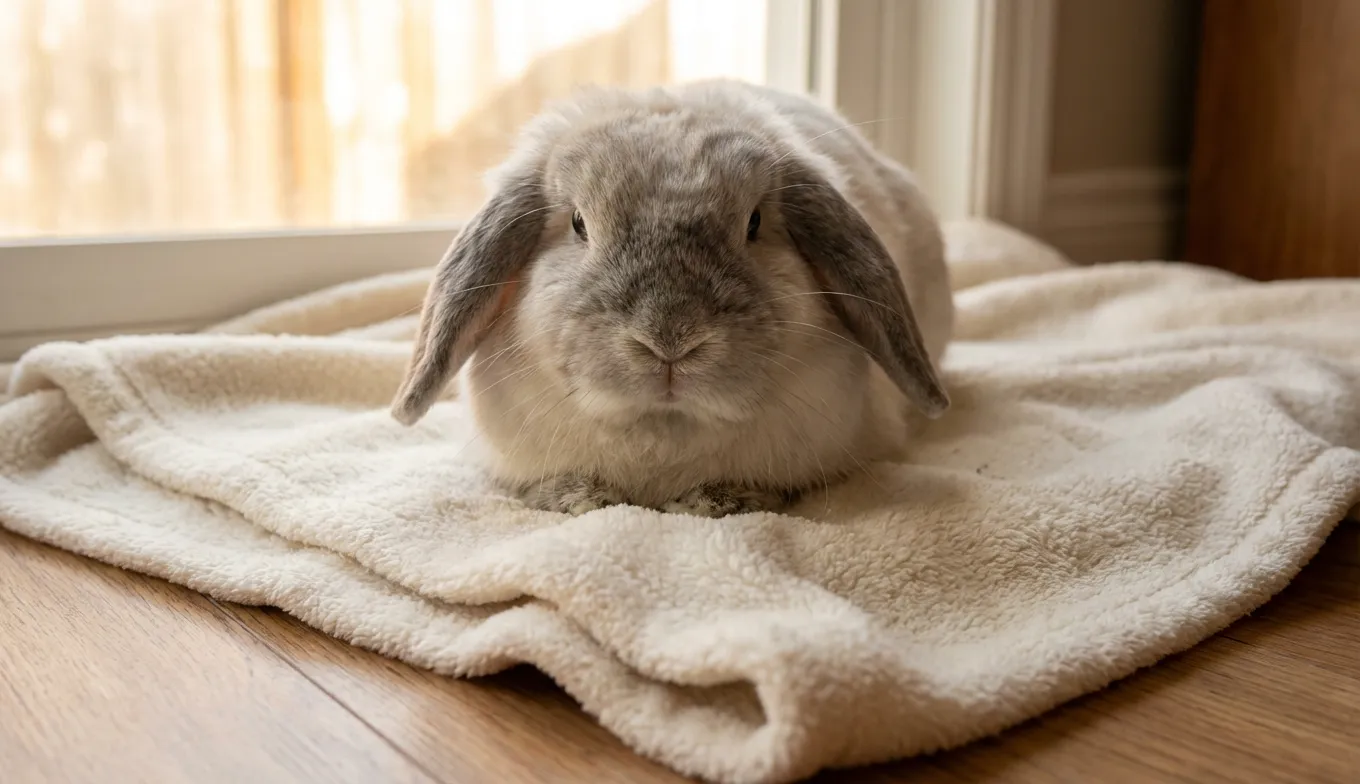
Does the distinct crinkle of the kale bag still send your bunny into a frenzy of binkies across the kitchen tile, or have you noticed the reaction time has slowed just a fraction? It’s a subtle shift—maybe they hesitate before hopping over the slight threshold of the pantry, or perhaps they’ve stopped doing those chaotic "zoomies" around the island that used to make you laugh until your sides hurt. We often chalk these changes up to a rabbit simply "mellowing out" with age, but more often than not, that hesitation stems from a loss of confidence in their own body. Watching a beloved pet age is a privilege, but it carries a heavy, quiet realization: the environment that was once their playground has slowly become an obstacle course.
Quick Takeaways:
- Traction is Non-Negotiable: Slick floors are the enemy of arthritic joints; cover high-traffic zones with yoga mats or non-slip runners immediately.
- Rethink the "Hop": Swap high-sided litter boxes for potting trays or low-entry alternatives to prevent accidents caused by pain, not behavioral regression.
- Condense the World: Older rabbits often prefer a smaller, resource-rich territory rather than a sprawling free-roam space that requires too much energy to navigate.
- Capture the Character: As they slow down, their personality often deepens—many owners choose this time to commission custom pet figurines to honor their bunny's enduring spirit.
- Heat Sources Matter: Senior bunnies struggle to regulate body temperature; safe, cord-free heat sources are essential.
The Invisible Shift: Why You Must Act Before You See a Limp
Here is the counterintuitive truth about rabbit care that most generic guides miss: by the time you actually see your rabbit limping, they have likely been in pain for months.
Rabbits are prey animals. Their entire evolutionary survival strategy is predicated on masking weakness. In the wild, a rabbit that shows a limp is a rabbit that gets eaten. Your domestic bunny, safe inside your home, still carries that deep-seated instinct. They will endure significant arthritic discomfort before they ever let you see a wobble.
We’ve heard countless stories from the PawSculpt community where owners felt a sudden wave of guilt after a vet visit revealed advanced arthritis. They thought their bun was just "relaxing more." The mistake isn't a lack of love; it's a misunderstanding of rabbit psychology. You cannot wait for the symptoms to be obvious. If your rabbit is over six years old (or even four for giant breeds), you need to assume their joints are stiff and adjust their habitat now.
The Floor is Lava (Or Rather, Ice)
Remember when your rabbit would drift around corners on the hardwood like a rally car? It was cute then. Now, it’s a liability.
For a senior rabbit, a slippery floor is terrifying. It requires muscle tension to stabilize their stance on wood or tile. When their muscles weaken and joints ache, that constant tension becomes exhausting. We’ve seen older rabbits essentially maroon themselves on a single rug because the three feet of hardwood between the rug and the water bowl feels like crossing a sheet of ice.
The "Yoga Mat" Solution
Forget expensive specialized pet rugs. The single best investment for a senior rabbit’s habitat is a stack of cheap yoga mats.- Why it works: They provide high-friction grip, they are soft on hock sores (a common issue for inactive seniors), and they are waterproof.
- Implementation: Create "roads" connecting their favorite spots—the litter box, the food dish, and the sleeping hide. If you have a free-roam house rabbit, you don't need to carpet the whole house, but you must create a continuous path of traction.
If aesthetics are a concern, look for interlocking foam puzzle mats with a faux-wood finish. They aren't perfect, but they offer significantly more grip than laminate.
The Litter Box Logistics: It’s Not "Bad Behavior"
This is a sensitive topic. We often hear from customers who are frustrated because their perfectly litter-trained rabbit has started leaving puddles right next to the box.
Please, take a breath. Your rabbit hasn't forgotten their training. They aren't being spiteful. They are telling you that the barrier to entry is too high.
Standard rabbit litter boxes often have a 4-5 inch rim. For a rabbit with spinal arthritis (spondylosis), hopping over that rim requires arching the back in a way that causes sharp pain. They want to go in the box, they hop to the box, but the pain of entry stops them, so they go right beside it.
- Potting Trays: These usually have very low lips (1-2 inches) but are wide enough for a bunny to turn around in.
- Under-bed Storage Bins: Cut a "door" into the side that is flush with the floor, strictly smoothing out the edges with sandpaper or duct tape.
Pro Tip: If your rabbit has lost stability, they might lean against the wall while doing their business. Ensure the box is placed against a wall or corner to give them that physical support.
Condensing the Kingdom
We are conditioned to think that "more space is better." We pride ourselves on giving our rabbits free rein of the house. But as rabbits enter their twilight years, a massive territory can become a burden.
Think of it this way: if your water is in the kitchen, your bed is in the living room, and your bathroom is in the laundry room, that’s a lot of commuting for tired legs.
We recommend creating a "retirement villa." This doesn't mean locking them in a cage. It means condensing their essential resources into a smaller, easily navigable footprint. Bring the hay, water, and litter closer to their favorite sleeping spot.
The "So What?": By reducing the energy cost of basic survival (eating, drinking, pooping), you free up their energy for interaction and affection. You might find your "lazy" senior suddenly has more perkiness because they aren't exhausted from the trek to the water bowl.
Blindness and the Mental Map
Cataracts are common in aging lagomorphs. You might notice your rabbit scanning their head back and forth (scanning), or bumping into things when the lighting changes.
Here is the golden rule for blind or partially sighted rabbits: Do not rearrange the furniture.
Rabbits memorize their environment through a mental map combined with tactile feedback from their whiskers. If you move the sofa three inches to the left, a blind rabbit will crash into it. If you move their litter box, they will urinate where it used to be.
If you must change the habitat (like adding the yoga mats we mentioned), do it incrementally. Let them investigate the change while you supervise. Keep their food and water bowls in the exact same geographic coordinates they have always been.
Celebrating the "Now"
Adapting a home for a senior pet is an emotional process. It forces us to confront the reality of time. There’s a specific kind of heartbreak in watching their muzzle turn gray or seeing their eyes cloud over. But there is also a profound beauty in this stage. Senior rabbits are often more affectionate, more patient, and deeply bonded to their humans.
In our work at PawSculpt, we often talk to pet parents who are in the thick of this caretaking phase. They often tell us they wish they had captured the essence of their pet before the very end. We always suggest that now—while they are still here to nuzzle your hand—is the time to think about keepsakes.
Whether it’s a professional photoshoot or one of our custom figurines (yes, we sculpt rabbits with the same obsessive detail we apply to dogs and cats), having a tangible representation of their unique physicality can be incredibly grounding. It’s not about preparing for the end; it’s about celebrating the character that fills your home right now.
The Water Source Debate: Bowl vs. Bottle
If you are still using a gravity bottle (the kind with the ball bearing), throw it away.
We’re serious. For a senior rabbit, craning the neck upward to manipulate a ball bearing is unnatural and painful. It leads to dehydration because the effort to drink outweighs the thirst.
Switch to a heavy ceramic bowl. It allows for a natural drinking posture. If you are worried about them getting their dewlap wet or making a mess, look for "no-tip" bowls with inward-curving rims. Dehydration in seniors can lead to kidney issues and GI stasis rapidly, so removing the physical barrier to hydration is critical.
Temperature Regulation: The "Old Bones" Factor
Older rabbits lose muscle mass, and muscle helps generate body heat. A senior rabbit is much more susceptible to the cold than a young, binky-prone buck.
If your rabbit lives in a drafty area or on the floor (which is usually the coldest part of the room), they are likely chilly. A cold rabbit will hunch up and move less, which makes their arthritis stiffer—a vicious cycle.
The Solution:
- SnuggleSafe Discs: These are microwaveable heating pads that stay warm for hours. Unlike electric pads, there are no cords to chew.
- Self-Warming Mats: These reflect the pet's body heat back at them.
- Draft Blockers: Even a rolled-up towel at the base of a door can make a 5-degree difference in their micro-climate.
Diet and Grooming: The Habitat Connection
While this article focuses on habitat, we have to mention how the environment affects hygiene. An arthritic rabbit cannot contort their spine to clean their hindquarters or eat their cecotropes (the nutrient-rich night droppings).
If you notice "poopy butt" (a technical term, we promise), it’s rarely a diet issue in seniors—it’s a flexibility issue. You may need to perform "butt baths" or spot cleaning.
Design a "grooming station" in your home—a waist-high table with a non-slip mat where you can safely clean them without bending over on the floor. This saves your back and keeps them secure.
A New Kind of Bond
Adjusting your home for a senior rabbit isn't a burden; it's an act of gratitude for the years of joy they've given you. It’s a shift from being their playmate to being their guardian.
When you lay down those yoga mats or cut that low entry into the litter box, you are communicating to your rabbit: "I see you. I know you're trying. I've got you."
And honestly? The quiet moments sitting on the floor with a senior bunny, listening to the soft grinding of their teeth as you stroke their ears, are some of the most peaceful moments you will ever experience. Cherish them.
Frequently Asked Questions
At what age is a rabbit considered "senior"?
Generally, rabbits are considered seniors once they reach 5 to 7 years of age, though this varies by breed. Larger breeds (like Flemish Giants) age faster and may be seniors by age 4, while smaller breeds (like Netherland Dwarfs) might not show signs of aging until 8.How can I tell if my rabbit is in pain if they hide it?
Look for subtle behavioral changes: a decrease in appetite, teeth grinding (which sounds different from the happy "purr"), reluctance to move, hunched posture, squinting eyes, or a lack of interest in grooming. If they stop greeting you at the door or stop using the litter box, assume pain before assuming behavioral issues.My rabbit has "splay leg." Can habitat changes help?
Yes, absolutely. Splay leg (where legs slide out to the sides) is exacerbated by slippery floors. Providing high-traction flooring like yoga mats, interlocking foam tiles, or vet-bedding gives them the grip they need to keep their legs under them, preventing further injury and muscle atrophy.How long does it take to get a custom figurine of my rabbit made?
At PawSculpt, we pride ourselves on getting the details right. Because every piece is hand-sculpted digitally and then physically produced, the process typically takes 2-4 weeks. We offer unlimited revisions during the digital sculpting phase to ensure we capture your bunny's specific ear set and expression perfectly. You can learn more about our process on our FAQ page.Is it better to separate my senior rabbit from their younger bondmate?
In most cases, no. The bond between rabbits is a source of immense comfort and warmth. A younger companion can actually help keep a senior active and clean (by grooming them). However, ensure the younger rabbit isn't bullying the senior. If the younger one is too rowdy, you might need to separate them during active times but let them snuggle during rest periods.Celebrate Your Pet's Unique Personality
Every pet has quirks and characteristics that make them one-of-a-kind. A custom PawSculpt figurine captures those details—the way they tilt their head, their favorite pose, the spark in their eyes.
Free instant AI preview • 3D artist preview within 7 days • 5 free revisions