
Thanksgiving Without Your Beagle: Navigating Gratitude Amidst Pet Grief
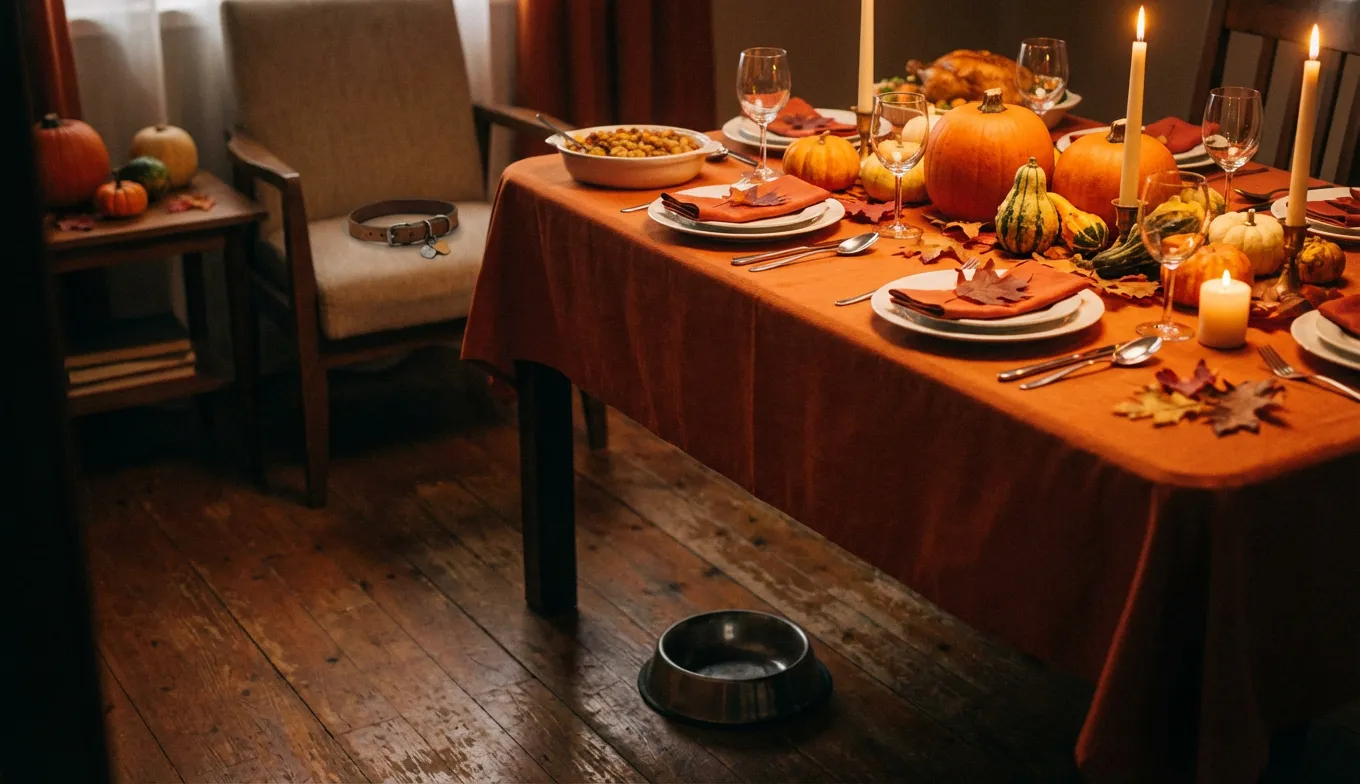
The scent of sage and roasting turkey drifts out to the front porch, hitting the cold November air where you’re standing, coffee in hand, trying to steel yourself for the day. For the last decade, this specific combination of smells would have triggered a chaotic symphony: the frantic clicking of nails on hardwood, the rhythmic "aroooo" that only a Beagle can produce, and the relentless, optimistic hovering near the oven door. But this morning, the air is just cold. The kitchen is orderly. And the silence where that demanding, food-obsessed energy used to be feels heavier than the heaviest turkey you’ve ever lifted.
Quick Takeaways:
- The "Food Void": Beagles are notoriously food-motivated; their absence is felt most intensely during feast holidays. This is normal.
- The Guilt of Relief: It is okay to feel relieved that you don't have to guard the turkey or manage a sick pet this year.
- Tangible Tributes: Incorporating physical reminders, like custom pet figurines or a framed photo, can help bridge the gap.
- Escape Plan: Give yourself permission to step away from the festivities when the "performative gratitude" becomes too much.
The Specificity of the "Beagle-Shaped Hole"
Most grief articles talk about sadness in broad strokes, but anyone who has loved a Beagle knows that losing them is a sensory disruption as much as an emotional one. Beagles aren't just pets; they are loud, olfactory-driven forces of nature.
Thanksgiving was likely your dog's Super Bowl. In our years working with pet families, we’ve noticed that Beagle owners struggle uniquely with food-centric holidays. You aren't just missing a dog; you’re missing the shadow that followed you from fridge to counter. You’re missing the "Beagle Lean"—that heavy, solid weight of them resting against your shin while you chop vegetables, silently begging for a carrot slice.
This year, you might find yourself instinctively guarding your plate or pushing the trash can behind a closed door, only to realize seconds later that you don't need to. That muscle memory is painful. It’s a physical reminder that your "sous-chef" has retired. Instead of forcing yourself to ignore these habits, acknowledge them. When you catch yourself checking the floor for dropped crumbs, take a breath. That reflex is a testament to how deeply your lives were intertwined.
The Taboo Emotion: Relief (and the Guilt That Follows)
We need to have an honest conversation about a feeling that almost no pet parent wants to admit to, especially during the holidays: Relief.
If your Beagle was a senior, or battling a chronic illness like cancer or heart disease before they passed, Thanksgiving used to be stressful. It meant managing medications between courses. It meant worrying if the noise of the guests was too much for them, or carrying them outside because their hips couldn't handle the stairs.
This year, you don't have to do any of that. You can eat dinner without getting up three times. You can travel without arranging complex pet care.
And you probably feel terrible about noticing that.
Here is the truth: Feeling relief does not mean you loved them less. It means you loved them enough to carry the burden of their care until the very end, and now that the burden is gone, your body is finally exhaling. The guilt that rushes in right after that feeling of relief is one of grief’s cruelest tricks. Don't let it ruin your day. You are allowed to miss them desperately while simultaneously appreciating that you can sit through a whole meal uninterrupted.
Navigating "Performative Gratitude"
Thanksgiving demands a certain level of performance. You are expected to go around the table and say what you are thankful for. When you are deep in the trenches of loss, this can feel like emotional torture. You might feel angry that the world is spinning on, that turkeys are being carved, and that your family is laughing while your best friend is gone.
This anger is valid. We often tell the families we work with to utilize the "10% Rule." You don't have to be 100% present or 100% grateful today. Can you find just 10% of the day to enjoy? Maybe it’s the first sip of coffee, or the heat of the fireplace.
If the "What are you thankful for?" question feels like a trap, prepare a script. You don't have to bare your soul. A simple, "I'm grateful for the time I had with [Dog's Name], and I'm grateful to be here with you all," is enough. You are protecting your heart, not auditioning for a hallmark movie.
Creating Rituals That Don't Feel Like Chores
Trying to ignore the absence usually backfires. It creates a tension in the room that everyone can feel. Instead, lean into it with a ritual that feels right for you—not what Pinterest tells you to do.
The "Phantom Plate" (Use Caution)
Some families set a small plate aside. For a Beagle who lived for food, this can be poignant. However, for some, seeing an uneaten bowl is too triggering. Know your limits.The Permanent Presence
We’ve seen a shift in how people memorialize their pets. It used to be just photos. Now, many families are looking for something three-dimensional to hold space at the table. We have crafted many custom pet figurines specifically for holiday settings—a small, hyper-realistic sculpture of their Beagle placed near the centerpiece or on the mantel.There is something grounding about seeing their likeness in the room. Unlike a photo which is flat, a figurine catches the light; it has mass and shadow. It allows you to look over and see them "present" during the festivities. It’s not about replacing them; it’s about acknowledging that they are still part of the family structure, even if they aren't begging for scraps under the table.
The Toast
Before the chaos of the meal begins, raise a glass. "To the best crumb-cleaner we ever had." It breaks the tension. It gives everyone permission to say his name, to laugh about the time he stole a whole stick of butter, and to release the pressure of the "sad silence."Handling the "At Least" Crowd
If you are hosting or visiting family, you will inevitably encounter the well-meaning but clumsy comforter. This is the person who says:
- "At least he isn't suffering anymore."
- "At least he had a long life."
- "You can always get another one."
These phrases, while intended to help, often feel dismissive. They try to fast-forward your grief.
You don't need to educate them on grief psychology over pumpkin pie. Have a boundary phrase ready. "I know he had a great life, but I'm really just missing him today. Pass the potatoes, please."
The Quiet After the Feast
The hardest part of Thanksgiving without a Beagle often isn't the dinner—it’s the cleanup. This was their time to shine. The dropped stuffing, the turkey skin, the chaos of the kitchen floor—that was their domain.
When you are scraping plates into the trash instead of into a waiting bowl, the silence will return. It might hit you harder than it did in the morning.
In that moment, try to shift your perspective on the grief. That hollow feeling in your chest? It’s the receipt for the love you purchased. The pain is the price of the joy. You miss the baying, the begging, and the velvet ears because they mattered.
As you turn off the porch light tonight, listen to the quiet. It’s not empty. It’s filled with the echo of a life that was loved completely, fed well, and cherished deeply. And that is something to be truly thankful for.
Frequently Asked Questions
How do I handle Thanksgiving if my dog just died?
If the loss is fresh, the holidays can feel overwhelming. The most important strategy is to give yourself an "out." If you are visiting family, drive separately so you can leave if the emotions become too much. If you are hosting, ask a supportive friend or family member to handle the toast or the prayer, so you aren't forced to speak about the loss publicly if you aren't ready. Prioritize your emotional stamina over tradition this year.Is it normal to feel relieved my sick dog passed before the holidays?
Yes, absolutely. This is one of the most common, yet least discussed, aspects of pet loss. Caregiver burnout is real. If you spent the last year managing a chronic illness, mobility issues, or cognitive decline, feeling relief that your pet is no longer suffering—and that you are free from the intense stress of medical management during a busy holiday—is a normal part of processing grief. It does not make you a bad owner; it makes you human.What is a good memorial gift for someone who lost a pet before Thanksgiving?
When a friend is grieving during the holidays, avoid generic gifts. Look for lasting tributes that acknowledge the specific bond. A custom pet portrait or a custom figurine are excellent choices because they are permanent keepsakes. Alternatively, a donation to a breed-specific rescue (like a Beagle rescue) in the pet's name is a thoughtful gesture that honors their legacy.Should I get a new puppy before the holidays to help with grief?
We generally advise against this. While a new puppy brings joy, the holidays are chaotic, loud, and stressful—the worst possible environment for housebreaking and training a new dog. Furthermore, getting a "replacement" too quickly can interrupt your necessary grieving process for the pet you just lost. It is usually better to wait until the New Year when routines return to normal and you have had time to heal.How long does the intense grief last after losing a dog?
There is no set timeline for grief, and it is not a linear process. However, the "firsts" (first Thanksgiving, first Christmas, first birthday) are usually the hardest hurdles to clear. Most people find that the acute, daily pain begins to soften into a bittersweet nostalgia within 6 to 12 months, but waves of grief can return unexpectedly, often triggered by sensory details like smells or seasons.Honor Their Memory Forever
Your pet's story deserves to be preserved in a way that captures their unique spirit. A custom PawSculpt figurine transforms your cherished memories into a timeless keepsake—every whisker, every marking, every detail that made them irreplaceable.
Free instant AI preview • 3D artist preview within 7 days • 5 free revisions