
The Unseen Bond: Gifting a Tactile Memory to a Blind Owner
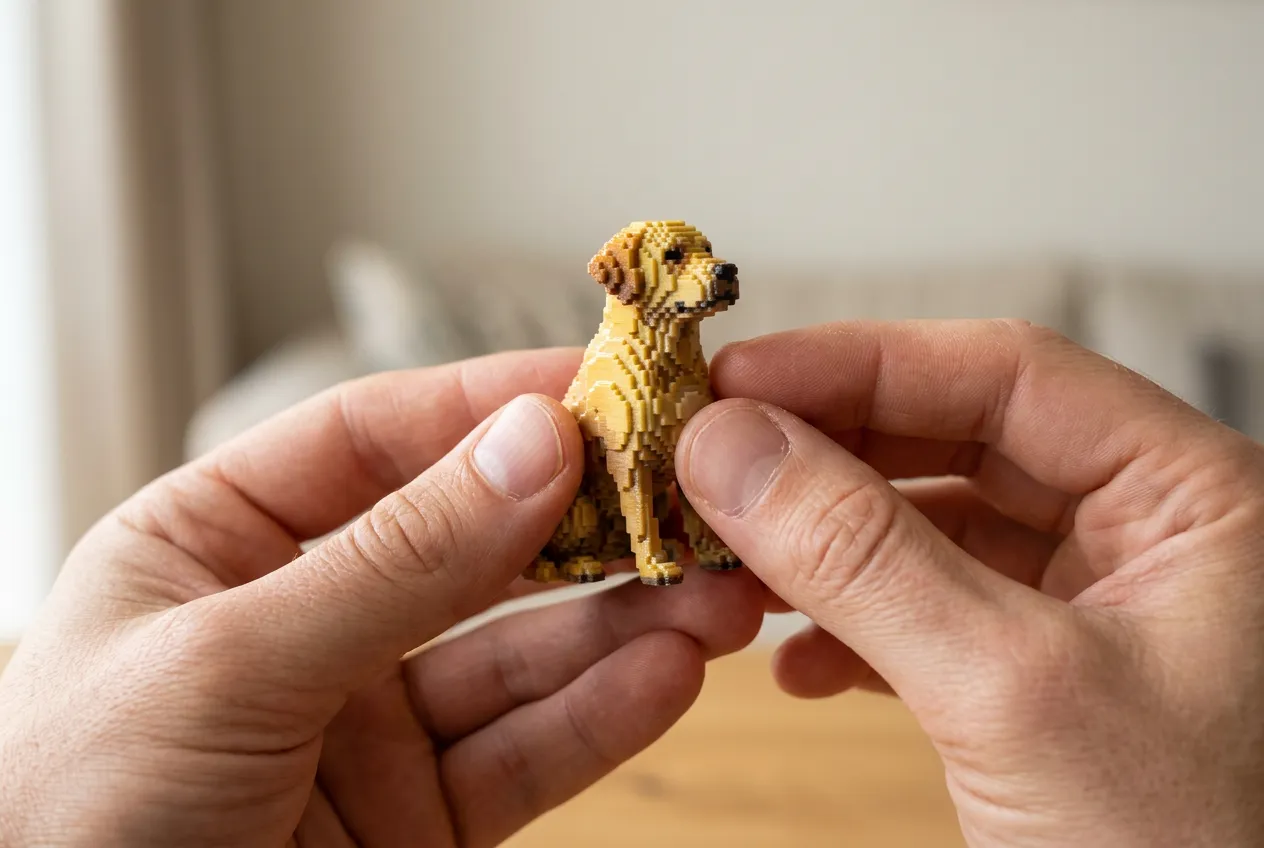
Three years ago, the exam room smelled of sterile cleaners and nervous sweat as she traced the silky, familiar curve of his ears one last time. Today, the antiseptic scent hits her the moment she walks in, but her hand instinctively closes around empty air where that warm, breathing weight used to be. Finding meaningful gifts for blind pet owners isn't about preserving a visual image; it’s about bridging that physical void.
Quick Takeaways
- Focus on Haptic Memory — For the visually impaired, grief is often felt in the hands; prioritize gifts with distinct textures or weight.
- Sound Matters — Custom wind chimes tuned to a specific frequency can mimic the comforting sound of ID tags jingling.
- Avoid Flat Media — Framed photographs offer zero engagement for a blind owner; choose 3D objects or audio files instead.
- Capture the Shape — A tactile replica, like PawSculpt’s custom figurines, allows the owner to "see" their pet’s face again through touch.
- Respect the Routine — Losing a guide dog disrupts daily mobility; practical gifts that help navigate this transition are surprisingly thoughtful.
The unique Landscape of "Blind Grief"
We need to talk about the phantom leash. It’s a phenomenon we hear about constantly from the community. When a sighted person loses a dog, they might ache when they see the empty dog bed. But for a blind owner, the reminder is in every step they take.
If the dog was a service animal, the loss is compounded. It is the loss of a best friend, yes, but it is also the loss of independence, confidence, and the literal eyes that navigated the world. The grief is physical. It’s the sudden lightness of the left hand that held the harness handle. It’s the silence of claws on the hardwood that used to signal "we are moving to the kitchen."
"Grief isn't a problem to be solved. It's a love story that continues after the last chapter."
Most sympathy gifts are designed for the eyes. Portraits, photo albums, engraved flat stones. These are lovely, but they exclude the very person who needs comfort the most. To truly honor the bond between a blind owner and their pet, we have to shift our perspective from the visual to the visceral. We have to think in terms of texture, weight, sound, and smell.
The Science of Touch: Why Tactile Memorials Work
There is a biological reason why holding a physical object feels better than just thinking about a memory. It’s called haptic perception. For the visually impaired, the brain rewires itself to process tactile information with incredible acuity. A sighted person might touch a statue and feel "smooth resin." A blind person touches the same object and feels the ridge of a collar, the specific slope of a snout, or the indentation of a missing ear.
When we create tactile memorials, we aren't just making a shape. We are activating the somatosensory cortex.
The "Touch-First" Approach
When selecting a gift, close your eyes. Seriously, do it for ten seconds. Run your hands over the object you’re considering. Is it cold? Is it rough? Does it have defining features? If the object feels like a generic lump without sight, it’s not the right gift.A customer once told us that the hardest part of losing her Golden Retriever wasn't forgetting what he looked like—she had never seen him—it was forgetting the specific width of his head between her palms. That spatial memory fades faster than we’d like to admit. A 3D object anchors it.
Gift Idea 1: The Custom Tactile Figurine
Who it's for: Owners who bonded through petting, grooming, and physical closeness.
Budget: $300 - $900+
Why it stands out: This is the gold standard for non-visual memory preservation.
This is where modern technology has changed the game. In the past, you’d have to hire a bronze sculptor for thousands of dollars to get a likeness. Today, we use full-color 3D printing.
At PawSculpt, we don't just print a generic dog. We digitally sculpt the animal based on photos (which friends or family can provide), and then the machine prints the figurine in full-color resin. The result is a hard, durable statue that captures the exact posture and proportions of the pet.
Why Resin Works for Tactile Memory:
Unlike cold metal or fragile ceramic, the high-quality resin used in 3D printing warms slightly to the touch. It has a very fine, subtle grain from the printing process—it’s not perfectly slippery-smooth like glass. This texture provides "grip" for the fingertips to explore the geometry of the face.
Pro Tip: When ordering a custom 3D printed dog statue, ask the designers to pay special attention to the collar or a favorite bandana. These are "touchstones"—familiar accessories that the owner likely handled every day.
Gift Idea 2: Auditory Memory Keepers
Who it's for: Owners who were attuned to their pet's vocalizations or movement sounds.
Budget: $30 - $150
Why it stands out: Sound triggers memory faster than almost any other sense.
Silence is the loudest part of pet loss. For a blind owner, the house suddenly sounds cavernous. You can fill that silence intentionally.
Custom Frequency Wind Chimes
Don't just buy a generic chime. Look for wind chimes that are tuned to specific keys. If the dog had a heavy, clanking collar, look for a deep alto chime. If it was a cat with a tiny, tinkling bell, look for a soprano chime. The goal is to have a background noise that subconsciously reminds the owner of the pet’s presence, turning a gust of wind into a moment of connection.The "Voice" Plush
There are companies that allow you to insert a voice recorder into a high-quality plush animal. If you have a video on your phone where the dog is barking or the cat is purring, extract that audio.Pro Tip: Do not use a generic bark. If the dog had a weird, grumbly "roooo" sound, use that. The perfection is in the imperfection.
Gift Idea 3: Weighted Comfort Items
Who it's for: Owners who allowed their pets to sleep in the bed or on their lap.
Budget: $50 - $200
Why it stands out: It mimics the physical pressure of a pet.
Deep Pressure Therapy (DPT) isn't just for anxiety; it’s for grief. Many pets, especially large dogs, provide a grounding weight. When that weight is gone, sleeping can become difficult.
A high-quality weighted blanket (aim for 15-20lbs for a medium dog feel) can simulate the sensation of a dog resting against the legs. For lap cats, look for weighted lap pads. It sounds clinical, but the physical sensation of "heaviness" can trick the nervous system into relaxing, allowing the grieving owner to sleep.
Gift Idea 4: Textured Jewelry (Braille & Relief)
Who it's for: The owner who wants to keep their pet close during the workday.
Budget: $40 - $120
Why it stands out: It’s discreet and portable.
Standard engraved jewelry is often too shallow to be felt. However, "relief" jewelry is raised.
Nose Print Pendants
Several artisans can take a photo of a nose print (or an ink print if the vet took one) and cast it in silver using the lost-wax method. The result is a thumb-sized pendant with the actual ridges and bumps of the pet's nose. It’s essentially a worry stone that matches the pet’s unique texture.Braille Coordinates
Instead of a name tag they can't read, consider a bracelet with the pet's name or coordinates of their favorite park written in Braille."We've seen families heal by holding something tangible. Grief needs an anchor, especially when your eyes can't find one."
— The PawSculpt Team
The Guide Dog Transition: A Specific Kind of Heartbreak
We need to pause here to address the specific nuance of retiring or losing a guide dog. According to organizations like the American Kennel Club, the bond between a working dog and handler is distinct from a pet relationship because it operates 24/7.
When a guide dog passes, the owner often has to immediately begin training with a cane or applying for a successor dog. There is immense guilt associated with this. They feel like they are "replacing" the dog instantly because they have to in order to get to work or the grocery store.
The Best Gift Here? Validation.
Acknowledge the work the dog did. A tactile tribute that includes the harness is incredibly powerful. When we model figurines for service dogs, we often suggest keeping the harness ON in the digital sculpt. That handle was the conduit of their communication. Feeling the shape of the handle on a statue validates the partnership, not just the pet.
Comparison: Visual vs. Tactile Memorials
To help you understand why the shift in gifting strategy is necessary, here is a breakdown of how different memorial types are experienced.
| Memorial Type | Visual Experience (Sighted) | Tactile Experience (Blind) | Emotional Impact for Blind Owner |
|---|---|---|---|
| Framed Photo | High detail, color, expression. | Smooth glass, sharp corners. Cold. | Low. Feels like a barrier to the memory. |
| Paw Print (Ink) | Visual pattern of the paw. | Flat paper. Indistinguishable. | Low. Cannot be felt. |
| Paw Print (Clay) | Visual depth. | Texture of clay, shape of pads. | High. Direct physical connection to size/shape. |
| Custom Figurine | Likeness, color, pose. | 3D geometry, ears, snout shape, collar. | Very High. Allows "seeing" the face again. |
| Urn | Visual aesthetic. | Shape of vessel, weight of ashes. | Medium. Comforting weight, but abstract shape. |
How to Commission a Figurine for a Blind Recipient
If you decide to go the route of a custom 3D printed memorial, you (the sighted friend or family member) will likely be the one submitting the photos. However, you need to interview the owner to get the details right.
Since our process involves digital sculpting followed by full-color printing, we can manipulate the 3D model to emphasize certain features.
Questions to Ask the Owner:
1. "What was their most distinct physical trait to touch?" Example:* "He had a giant lump on his left elbow" or "Her ears were always folded back, never up." Why it matters:* Visual photos might show the dog with ears up, but if the owner always felt them down, the statue should reflect the tactile memory, not the "perfect photo" moment.- "Did they wear a specific collar?"
- "What pose did they sit in when you were relaxing?"
What NOT to Gift (And Why)
It’s important to avoid common pitfalls. The intention is always good, but the execution can be painful.
- The "Rainbow Bridge" Poem on a Plaque: Unless it is in Braille, this is just a piece of wood the owner has to ask someone else to read to them. It strips them of autonomy in their grief.
- Fragile Glass/Crystal: High anxiety. If it sits on a shelf and the owner bumps it while feeling for it, it breaks. Durable materials like resin or metal are far superior.
- A New Puppy (Surprise!): Never. Especially for a blind owner who relies on routine and spatial awareness. A puppy is a tripping hazard and a chaos agent. This must be their decision, on their timeline.
Navigating the "Color" Conversation
You might wonder: If the owner is blind, why does full-color 3D printing matter? Why not just get a bronze cast?
Two reasons. First, many legally blind individuals have some residual vision—light perception, shapes, or color blobs. A bright orange tabby cat printed in vibrant full color is far more recognizable to someone with low vision than a dark bronze shape.
Second, the gift is often shared. It sits on the mantle where friends, family, and sighted children see it. When a visitor says, "Wow, that looks exactly like Buster, look at that white spot on his nose," it validates the owner's memory. It sparks the conversation. It allows the sighted world to see what the blind owner is holding.
"The best gifts don't just sit on a shelf—they start conversations and spark memories."
Practical Steps for the Giver
If you are ready to choose a gift, here is a checklist to ensure it lands softly:
- Timing: Wait 2-3 weeks after the loss. The initial shock is too raw. The "second wave" of grief, when the cards stop coming, is when a thoughtful gift means the most.
- Presentation: Don't just hand over a box. Describe it as you give it. "I found something that I think captures the shape of his head."
- The Unboxing: If you get a custom figurine, sit with them while they explore it with their hands. Guide their fingers. "Here is the collar... here is that notch in his ear."
Frequently Asked Questions
What is the best memorial gift for a blind dog owner?
Tactile gifts are universally the most well-received. A custom 3D printed figurine that captures the pet's specific body shape allows the owner to "see" their friend again through touch. Clay paw print impressions (where the paw is pressed into material) are also excellent because they offer texture, unlike ink prints.How do blind people grieve their pets differently?
Grief for the visually impaired is often intensely physical and spatial. They lose their constant tactile companion and the auditory cues that helped them navigate their day. If the pet was a guide dog, the loss is compounded by a sudden loss of independence and mobility, which can lead to feelings of isolation that sighted owners might not experience.Can I get a custom statue if I don't have perfect photos?
Yes. At PawSculpt, our 3D artists have years of experience reconstructing a pet's likeness from various photos. For a gift for a blind owner, we can focus heavily on the build and pose—the physical geometry—rather than just the coat pattern. Descriptions of how the dog felt (bony, muscular, fluffy) help us get the sculpture right.Is a wind chime a good sympathy gift?
Yes, it is often cited as a favorite by blind pet owners. It provides a gentle, consistent auditory presence in a home that feels suddenly too quiet. Try to match the tone of the chime to the pet—a deep, resonant tone for a large dog, or a light, bright tone for a small cat or bird.Ready to Celebrate Your Pet?
Every pet has a story worth preserving, and for some, that story is read with the fingertips. Whether you're honoring a beloved guide dog who served faithfully or celebrating a companion who offered unconditional love, a custom PawSculpt figurine captures the physical details that a photograph simply cannot.
Free instant AI preview • 3D artist preview within 7 days • 5 free revisions