
The Unfinished Bag of Food: Donating After Your Great Dane Passes
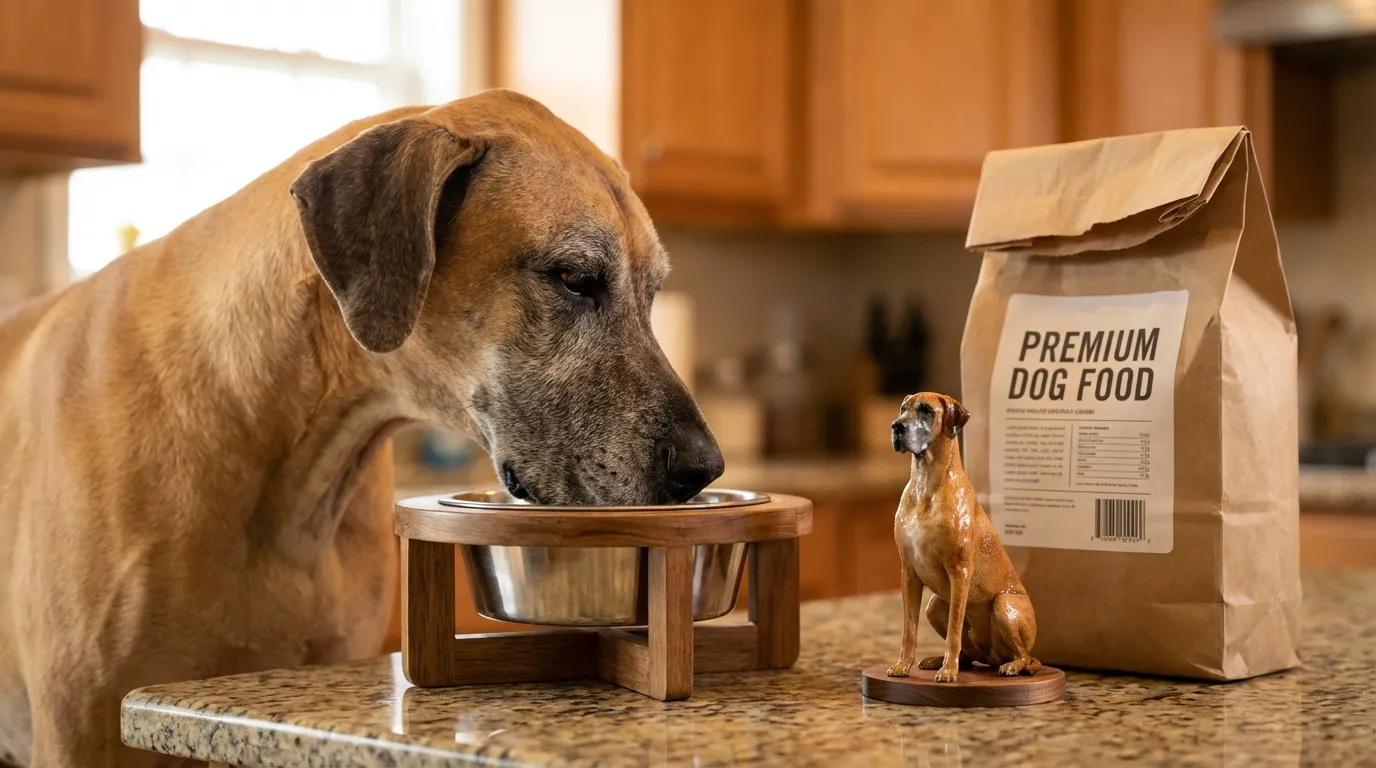
The gravel on the walking trail crunches under your boots, but the rhythm is all wrong. You’re waiting for the answering thud-thud-thud of dinner-plate-sized paws hitting the earth, or the familiar yank on your arm that happens when a squirrel darts up an oak tree. Instead, the leash feels strangely weightless in your hand, swinging in the breeze like a pendulum counting down time you don't want to face. When you get home, the silence isn't what hits you first—it’s the visual shock of the kitchen corner. The raised feeder is empty. And right next to it sits that unopened, fifty-pound bag of kibble that was delivered on auto-ship two days too late.
Quick Takeaways:
- The "Big" Problem: Great Dane supplies (crates, beds, food) are massive and hard to move, making them constant, painful visual triggers.
- Donation Strategy: Breed-specific rescues often need these high-cost items more than general city shelters.
Open Bags: Many shelters do* accept open bags if the original packaging is intact—call first.
- Emotional Reality: Feeling relief that the physical labor of caring for a giant dog is over is normal, not shameful.
- Memorializing: When you clear the physical clutter, small tributes like custom pet figurines can hold the memory without taking up the floor space.
The 50-Pound Reminder in the Hallway
We need to talk about the specific logistics of losing a giant breed, because it’s different than losing a cat or a terrier. When a Great Dane passes, the physical void they leave is massive. But so is the stuff they leave behind.
You aren't just staring at a few cans of pâté on a shelf. You are likely staring at a bag of food that weighs as much as a kindergartner. You’re looking at a crate that takes up half the living room and a bed that’s essentially a twin mattress.
One family we worked with described this perfectly. They told us, "It felt like we were living in a shrine to a ghost. We were tripping over the XXL bed every morning, but we felt like monsters if we moved it."
This is the unique paralysis of the Great Dane owner. The items are too big to ignore, but removing them feels like erasing the dog. Here is the counterintuitive truth: Clearing the space doesn't clear the memory. In fact, removing the painful triggers (like the medical supplies or the uneaten food) often gives your brain the quiet it needs to actually grieve the dog, rather than obsessing over the care of the dog.
Where (and How) to Donate the "Big Stuff"
Most general advice tells you to drop goods off at your local ASPCA. While that’s wonderful, Great Dane supplies are high-value gold for specific organizations.
1. Breed-Specific Rescues
Great Dane rescues operate on thin margins, and feeding a foster network of 150-pound dogs is their biggest expense. That fifty-pound bag you have? That’s not just a donation; that’s a week of survival for a foster dog.- Why it matters: They rarely get donations of the "giant breed" specific formulas that support joint health.
- Action: Search for "Great Dane Rescue [Your State]" rather than just "animal shelter."
2. The "Open Bag" Dilemma
There is a common misconception that once a bag is open, it’s trash. This is rarely true for smaller, private rescues.- The Rule of Thumb: If the food is in its original bag (so they can check the ingredients/expiration) and simply rolled down with a clip, many organizations will take it.
- Pro Tip: Tape the top shut with duct tape and write the date it was opened on the tape with a Sharpie. This small act of organization saves the volunteers time and makes them more likely to accept it.
3. Veterinary "Angel Funds"
Your own vet clinic might be the best recipient. Many clinics keep a stash of food for owners who are struggling financially or for strays that are brought in injured. Since they likely treated your Dane, dropping the food off there can feel like a closing of the circle.The Emotion We Rarely Admit: Relief
We need to pause here and address something that might be making your stomach knot up. It’s the feeling of relief.
Caring for a geriatric Great Dane is physically grueling. We aren't talking about just giving pills. We are talking about lifting a 130-pound animal who can no longer stand on their own. We’re talking about managing incontinence on a massive scale. We’re talking about the sheer anxiety of watching every step they take, terrified a hip will give out.
When that stops, there is a physical exhale. Your back stops hurting. You don't have to rush home to help them stand up to pee.
And then, the guilt crushes you.
Please hear us on this: Relief is not a betrayal of love. It is a biological response to the end of a caretaking crisis. You can be heartbroken that they are gone and simultaneously relieved that they (and you) are no longer suffering through the physical struggle. The two feelings can coexist. You aren't a bad owner for sleeping through the night for the first time in six months.
Repurposing the "Apartment-Sized" Crate
The crate is often the hardest thing to move. It’s a monolith. It’s part of the furniture.
Instead of hauling it to the curb, consider the financial impact of that item. An XXL heavy-duty crate can cost upwards of $300-$500. For a rescue, receiving one of these is like receiving a winning lottery ticket.
A meaningful ritual:
If you can’t bear to drive it to a shelter yet, clean it. Scrub it down. Disassemble it. As you take out each bolt, acknowledge a memory. "This is from when he was a puppy." "This is from when he had surgery." Turn the chore into a ceremony. Once it’s flat, it’s easier to store in a garage until you have the emotional bandwidth to donate it.
Filling the Void Without Filling the Space
Once the giant bed is gone and the crate is donated, the house is going to feel cavernous. Great Danes are architectural; they define the space they inhabit. Without them, the room proportions feel wrong.
This is usually the moment people panic and want to fill the space. But you don't need another 150-pound presence to honor the one you lost. This is where we see families pivot toward tributes that capture the essence of the dog without the physical footprint.
We’ve seen a rise in owners choosing custom pet figurines specifically for giant breeds. There is something poignant about taking a dog that was larger than life—a dog that took up the whole sofa—and immortalizing them in a detailed, 5-inch sculpture that sits quietly on your mantle. It captures the slope of their back and the way their jowls hung, but it allows your home to remain peaceful.
It’s not about replacing them. It’s about having a focal point for your memory that doesn't require a fifty-pound bag of food to sustain.
The Last Trip to the Car
Eventually, you will have to pick up that bag of food. It will be heavy. It will smell like the dinner time you used to cherish.
When you load it into your car to drive it to the shelter or the food pantry, try to reframe the grief. You aren't getting rid of your dog's things. You are passing their legacy of care to a dog that has likely never known the kind of love your Dane had.
That food, which was meant to nourish your best friend, will now put weight on the ribs of a dog that is starving. The bed that smelled like your home will provide the first soft sleep a rescue dog has had in years.
The bag is unfinished, yes. But your love for them isn't. It’s just changing shape. It’s transforming from caretaking into a gift for the next dog in line.
Drive to the shelter. Drop off the weight. Drive home with the windows down. It’s okay to cry the whole way back.
Frequently Asked Questions
Can I really donate an open bag of dog food?
Yes, but with caveats. Most municipal (city-run) shelters have strict health codes that forbid this. However, private rescues, foster networks, and food pantries are often much more flexible. The key is keeping it in the original bag. Do not pour the food into a Ziploc or trash bag; they need to see the ingredients and lot number in case of recalls.What if the food is expired?
If the expiration date has passed, do not take it to a dog shelter. Their immune systems are often compromised, and they can't risk it. However, this doesn't mean it's trash! Wildlife rehabilitation centers often accept expired kibble to feed raccoons, possums, or bears. Pig sanctuaries are another excellent option for expired dry goods.My Great Dane's bed is huge and expensive, but used. Will they take it?
Shelters are always in need of bedding, but they often lack industrial laundry machines. If you want to donate a bed, wash the cover thoroughly first. If the foam core is soaked with urine or deeply smelly, it is kinder to throw it away. Shelters are already overwhelmed with smells; don't add to their burden.How soon is "too soon" to clear out their things?
There is no timeline. We have known customers who cleared the house within hours because the visual triggers caused panic attacks. We have known others who left the water bowl full for six months. If the sight of the giant crate is causing you pain, move it. If the sight of it brings you comfort, keep it. You are the only one who knows the geography of your grief.I want a memorial, but I don't want an urn on my mantle. What are my options?
This is a common sentiment. Urns can feel morbid to some. Many families prefer custom artwork or figurines that depict the dog full of life, rather than a vessel associated with death. Other ideas include turning their collar into a bracelet, planting a hardy tree (like an Oak, fitting for a Dane) over their ashes, or donating a park bench in their name.Honor Their Memory Forever
Your pet's story deserves to be preserved in a way that captures their unique spirit. A custom PawSculpt figurine transforms your cherished memories into a timeless keepsake—every whisker, every marking, every detail that made them irreplaceable.
Free instant AI preview • 3D artist preview within 7 days • 5 free revisions