
Why Personalized Pet Art is the Best Wedding Gift for Couples
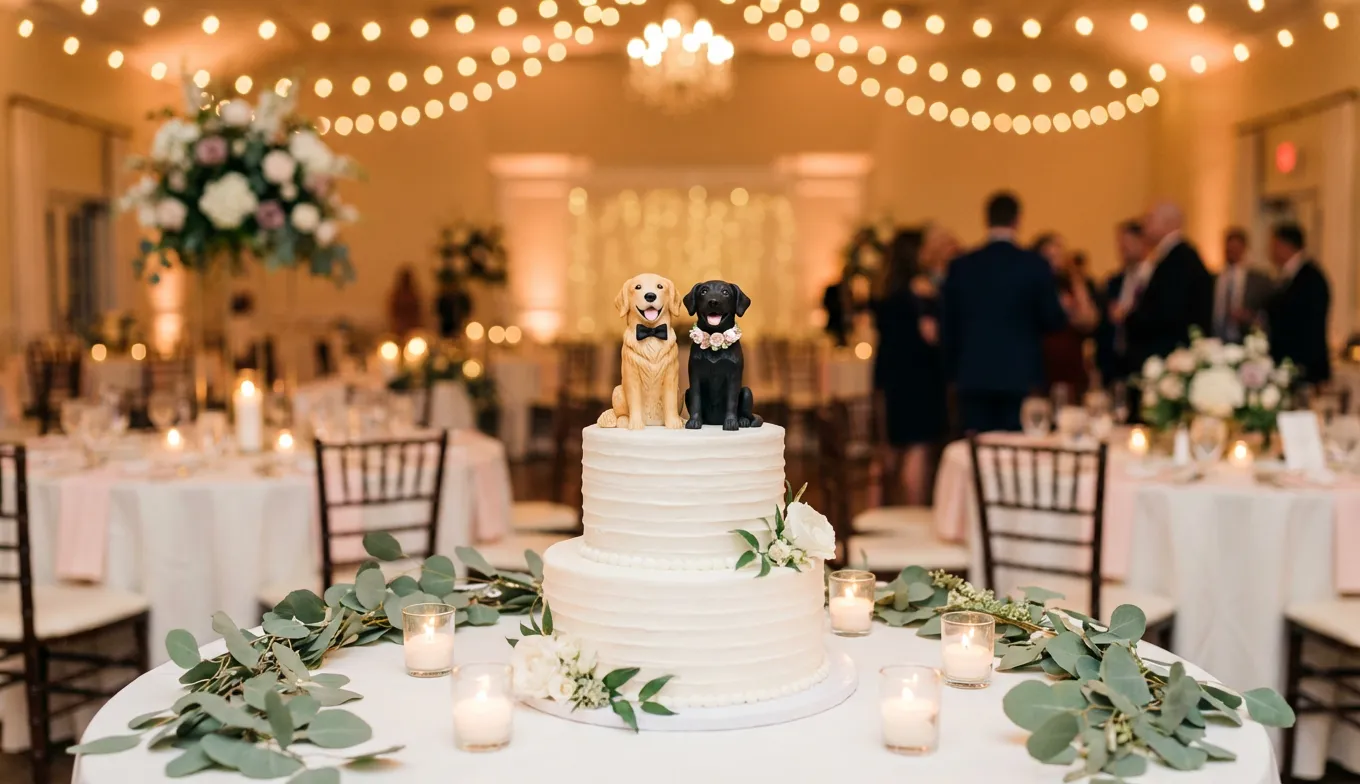
The registry is usually a sea of beige. Beige blenders, beige towels, beige dinner plates that will sit in a cabinet for eleven months of the year. I watched my best friend unwrap her third "essential" stand mixer attachment at her bridal shower last month, her smile tight and practiced. It was the smile of someone who knows she’s supposed to be grateful for a pasta roller she’ll never use, while her actual heart—a scruffy, three-legged rescue named Barnaby—was currently shredding a squeaky toy under the gift table. When she finally opened the small, unassuming box I’d tucked near the back, the room shifted. It wasn't another appliance. It was a hand-painted replica of Barnaby, capturing the exact goofy tilt of his head and that one white sock on his back left paw. The polite, bridal-shower silence broke. She didn't just smile; she cried. Real, messy tears. Because while a toaster oven acknowledges a house, personalized pet art acknowledges a home.
Most wedding guests operate on autopilot. They scroll the registry, click "buy" on a mid-range item, and call it a day. They assume the couple wants things to fill their kitchen. But after working in the pet industry for nearly a decade, I can tell you something most people miss: modern couples aren't just merging bank accounts or living spaces. They are merging packs.
When you give a gift that honors their dog or cat, you aren't just giving "art." You are validating the third (or fourth) member of their marriage. You’re saying, "I see who you really are when the guests leave and the fancy clothes come off." That kind of recognition is rare. It’s intimate. And frankly, it beats a gravy boat every single time.
The Psychology of the "Practice Baby" vs. The "Forever Companion"
We need to talk about the elephant in the room—or rather, the Golden Retriever in the room. For a long time, society treated pets as "practice babies" for newlyweds. The narrative was: get married, get a dog, learn responsibility, have a human child, and relegate the dog to the backyard.
That narrative is dead.
I’ve seen the data, and more importantly, I’ve seen the devotion. For the millennial and Gen Z couples getting married right now, the pet isn't a placeholder. The pet is the priority. I once worked with a groom who spent more time writing his vows to his fiancée’s cat (promising to always keep the litter box pristine) than he did on his tuxedo fitting.
When you gift personalized pet art, you are tapping into what psychologists call "family identity affirmation." You are solidifying the couple's status as a legitimate family unit right now, regardless of whether they plan to have children later.
Most people think a wedding gift needs to be utilitarian. "They need sheets," they say. But utility is cheap. You can buy sheets at Target on a Tuesday. You can't buy a feeling of being understood. A custom portrait or figurine validates the sleepless nights of puppy training, the expensive vet bills, and the quiet comfort of a dog resting its head on a knee after a bad day. It says, "I know this creature is the glue that held you together during the stress of wedding planning."
Why "Shared Parenting" is the New Romantic Bond
There is a specific kind of intimacy in cleaning up vomit at 3 AM together. It’s not the romance of candlelit dinners; it’s the romance of the trenches.
Couples who raise an animal together have already survived a microcosm of parenting. They’ve negotiated who walks the dog in the rain. They’ve argued over whether the cat is allowed on the counters. They’ve had to budget for emergency surgeries instead of vacations. This is the "sweat equity" of their relationship.
A generic wedding gift ignores this history. A set of wine glasses doesn't care that the couple spent their third anniversary in an emergency vet clinic. But a piece of custom art? That’s a monument to their shared labor.
I remember a client, Sarah, who commissioned a piece for her husband. Their dog, a neurotic Border Collie named Tess, had been a nightmare to train. They had almost broken up over the stress of her behavioral issues in the early days. When Sarah gave him the artwork on their wedding day, it wasn't just a picture of a dog. It was a trophy. It signified, We survived this. We figured it out together.
If you want your gift to stand out, stop looking at the "For the Home" section and start looking at the "For the Heart" section. Acknowledge their shared struggle and triumph in raising a difficult, wonderful animal. That is the bedrock their marriage is actually built on.
The "Empty Nest" of the Honeymoon Phase
Here is a counterintuitive truth: The post-wedding period can be incredibly lonely.
The adrenaline of the wedding crashes. The guests go home. The thank-you notes loom. And suddenly, it’s just the couple and their routine. For many, the transition from "fiancé" to "spouse" feels weighty.
This is where the physical presence of pet art does heavy lifting. It anchors the space.
I’ve spoken to interior designers who specialize in "pet-centric" homes (yes, that’s a real niche). They tell me that placing a representation of the pet in a prominent place—a mantle, a bookshelf, a bedside table—creates a psychological "hearth." It centers the room around a living, breathing emotional connection rather than a television or a fireplace.
Think about the longevity of the gift. A blender has a lifespan of maybe five to seven years. Towels fray. But art is archival. I have customers who still display the custom figurines they received ten years ago, long after the pet has passed. The object transitions from a celebration of the living animal to a memorial of a life chapter. It travels with them from the starter apartment to the first house. It outlasts almost every other item on the registry.
Navigating the "Blended Family" Dynamic
Let’s get specific about logistics. A huge percentage of weddings today involve blending households where both partners bring a pet. This is the "Brady Bunch" of the animal world, and it is rarely smooth sailing.
Maybe his German Shepherd hates her Persian cat. Maybe her ancient Pug is terrified of his energetic Lab mix. The integration of these animals is often the biggest stressor in the first year of cohabitation.
Giving a gift that features both pets together is a powerful symbolic gesture. It visualizes the harmony the couple is striving for, even if they aren't quite there yet.
I recall a commission involving a snake and a hamster. The couple was terrified the snake would eat the hamster (they were kept in separate rooms, obviously). The wedding gift was a whimsical illustration of the snake and hamster having a tea party. It broke the tension. It turned a source of daily stress into a source of humor and unity.
The Insider’s Tip: If you are commissioning art for a blended pet family, don't just ask for a realistic portrait. Ask for interaction. Ask for the artist to depict them sleeping side-by-side, even if in real life they tolerate each other from a distance of five feet. You are painting the future they want to see.
The Problem with "Generic" Breed Art
This is where well-meaning guests get it wrong. They see "gifts for couples with dogs" on a listicle, go to a home goods store, and buy a generic print of a French Bulldog because the couple has a Frenchie.
Do not do this.
To a pet owner, a generic representation of their breed is almost insulting. It says, "I know you have a dog, but I don't know your dog."
Every pet owner knows the specific topography of their animal. They know the scar on the nose from the fence incident. They know the way the left ear flops when it’s humid. They know the specific shade of amber in the eyes.
Generic breed art is the equivalent of giving someone a stock photo of a "human husband" as a wedding gift. "Look, he has brown hair and two eyes, just like yours!" It misses the soul of the thing.
Customization is the currency of care. When you work with artisans—like the sculptors at PawSculpt who obsess over the exact fur texture—you are demonstrating that you pay attention. You noticed that their Dalmatian has a heart-shaped spot on its flank. You noticed their cat is missing half a tail. Those imperfections are where the love lives.
The "First Fight" Buffer
This might sound strange, but bear with me. A custom pet portrait can actually de-escalate marital conflict.
I’m not a therapist, but I’ve been married for fifteen years, and I know that when you’re angry at your spouse, you need a bridge back to neutrality. Often, the pet is that bridge. You might be furious about the dishes, but you can both agree the dog is cute.
Having a piece of art that celebrates the pet serves as a visual totem of your shared love. It’s hard to scream at someone while standing next to a beautiful, hand-crafted statue of the creature you both adore more than life itself. It reminds you that you are on the same team—Team Fido.
One bride told me she keeps her custom pet figurine on the hall table. She calls it the "peacekeeper." When things get tense, she rubs the figurine’s head—a signal to her husband that she’s ready to stop arguing, even if she’s not ready to say it out loud yet. It’s a silent language facilitated by art.
Beyond the Canvas: Why 3D Matters
We live in a 2D world. We stare at screens. We scroll through Instagram photos of dogs. We swipe through digital wedding albums.
There is a tactile hunger in modern life. We crave things we can touch, hold, and feel. This is why I often steer people toward sculpture or figurines over flat paintings for wedding gifts.
A painting is something you look at. A sculpture is something you live with. It occupies space. It casts a shadow. You can run your finger over the curve of the ear.
When a couple is building a home, they are curating a physical environment. A 3D object has presence. It changes as the light in the room changes from morning to evening.
Furthermore, 3D art captures the volume of the pet. A photo can’t show you the thickness of a Labrador’s neck or the delicate bone structure of a Greyhound’s ankle. Capturing that physicality is emotional.
I remember holding a prototype figurine of my own late dog, a barrel-chested mix named Buster. The weight of it in my hand triggered a sensory memory of his head resting on my foot that a photograph never could. For a newlywed couple, giving them something tangible to represent their "first child" is profound.
The Financial Argument: Cost-Per-Memory
Let’s talk numbers, because weddings are expensive for guests, too.
You could spend $150 on a high-end toaster. The couple will use it to make toast. It will depreciate instantly. In five years, it will be in a landfill or a garage sale.
Or, you could spend that same $150-$200 on a custom piece of pet art.
The "Cost-Per-Memory" on the art is infinitely lower. Every time they look at it, they get a hit of dopamine (the "aww" factor). Every time a guest comes over, it becomes a conversation starter. "Is that Bella? Look at the detail on her collar!"
You aren't buying a product; you are buying real estate in their daily emotional landscape.
Most wedding gifts are depreciating assets. Personalized art is an appreciating emotional asset. As the pet ages, the value of that artwork goes up, not down. When the pet eventually passes, the value skyrockets to "priceless." You cannot put a dollar figure on having a tangible piece of a loved one who is gone. By giving this gift at the wedding, you are banking that memory for them before they even know they need it.
Timing the Gift: The "Morning Of" Strategy
Here is a tactical tip that will make you the MVP of the wedding party.
Don't put the custom pet art on the gift table at the reception. It will get lost in the pile. It risks getting broken during the load-out.
Instead, arrange for the gift to be delivered to the couple on the morning of the wedding, while they are getting ready.
Why? Because wedding mornings are stressful. The bride is worrying about the weather. The groom is trying to remember his vows. Nerves are frayed.
Receiving a reminder of their pet in that high-pressure moment is a grounding technique. It reminds them of home. It reminds them of the unconditional love waiting for them.
I had a client, a maid of honor, who gave the bride a figurine of her Golden Retriever (who couldn't attend the venue) right before hair and makeup started. The bride took a breath, laughed, and said, "Okay, now I’m ready." It shifted the energy from "performance" to "love."
If you can’t do the morning of, wait until two weeks after the honeymoon. This is the "post-wedding blues" period where the excitement has faded and the bills are arriving. A thoughtful, personal gift arriving in the mail during this slump is a massive mood booster. It extends the joy of the wedding.
How to Get the Details Right (Without Ruining the Surprise)
The biggest hurdle to custom art is getting the reference photos without tipping off the couple. You can't just say, "Hey, send me a 360-degree video of your cat."
Here is how the pros do it:
- The "Social Media Stalk": Most pet owners have hundreds of photos on Instagram. Look for the hashtags. You don't just want the glamour shots; you want the weird angles. You need to see the tail, the back markings, and the paws.
- The Accomplice: Recruit the dog walker or the pet sitter. They have access to the animal when the couple isn't around. Ask them to snap a few specific angles (side profile, back view) during their next visit.
- The "Project" Lie: Tell the couple you are testing a new camera lens or working on a photography portfolio and want to practice on their pet. They will be flattered and will happily pose the animal for you.
- The Gift Card Pivot: If you truly cannot get the photos, or if the pet has distinctive markings that are hard to capture without a high-res reference, do not guess. Give a beautifully presented certificate explaining that their gift is a custom commission. The experience of selecting the photos and working with the artist becomes part of the gift itself.
The "Rescue Dog" Factor: honoring the Past
There is a unique angle for couples who have adopted rescue animals with traumatic pasts. These dogs and cats often come with baggage—physical scars, missing limbs, or quirks born of fear.
Mainstream pet merchandise erases these things. You can't buy a plush toy that looks like a dog with a cropped ear from a dogfighting past.
But custom art honors the survivor.
I’ve seen couples weep over art that accurately depicted their rescue dog’s cloudy eye or jagged scar. It’s not about "fixing" the pet to look perfect; it’s about honoring the journey the pet took to find the couple.
For a wedding gift, this resonates deeply. Marriage is also about accepting flaws and history. It’s about saying, "I love you, baggage and all." A gift that celebrates a "broken" but beloved animal reflects the beautiful, messy reality of human love, too.
A Note on "Taste": How to Avoid the Kitsch
Let’s be honest: pet art can be tacky. We’ve all seen the velvet paintings or the weirdly humanized caricatures that look a bit creepy.
To ensure your gift is "wedding appropriate"—meaning it fits in a grown-up home—focus on craftsmanship and materials.
- Avoid: Caricatures, cartoons, bright neon colors (unless that is specifically their vibe), or anything printed on cheap canvas.
- Seek: Natural materials. Stone, clay, wood, watercolor, oil. Look for realism or sophisticated stylization.
The goal is for a guest to walk into the house and say, "That’s a beautiful sculpture," before they even realize it’s a portrait of the dog. It should stand on its own as an objet d'art. This is why I always gravitate toward the meticulous work done at places like PawSculpt, where the focus is on anatomical dignity rather than cartoonish exaggeration.
The Legacy of the Gift
Years from now, the couple won't remember who gave them the salad spinner. They probably won't remember who gave them the cash in the envelope.
But they will remember who gave them the art.
I recently visited a couple who married five years ago. They have a toddler now. The house is chaotic. Toys are everywhere. But on the bookshelf, out of reach of sticky fingers, sits the figurine of their late Boxer, Duke.
They told me that their toddler points to it and says "Duke!" even though he never met the dog. The art has allowed them to keep the dog’s memory alive and introduce him to the next generation.
That is the power you hold as a gift-giver. You aren't just checking a box. You are helping them curate their family history.
The Verdict
We are moving away from the era of "stuff" and into the era of "meaning." The modern couple doesn't need more things to dust; they need things that anchor them.
In a world that feels increasingly temporary and digital, a custom, tangible representation of a pet is a radical act of permanence. It says that this little life matters. It says that this family—paws and all—matters.
So, put down the scanner gun. Step away from the aisle of beige towels. Look at the couple, really look at them, and see what they love most. Chances are, it’s waiting for them at the door, tail wagging, wondering when they’ll be home. Give them that. Give them the heart of their home, frozen in time, to keep forever.
Because the best wedding gifts aren't the ones that help you cook dinner. They're the ones that remind you why you wanted to build a life together in the first place.
Give a Gift They'll Treasure Forever
Looking for something truly meaningful? A custom PawSculpt figurine captures the personality and spirit of their beloved pet in stunning detail—a gift that says "I understand how much they mean to you."
Free instant AI preview • 3D artist preview within 7 days • 5 free revisions