
The 'Empty Cage' Syndrome: Filling the Void Left by Your Cockatiel
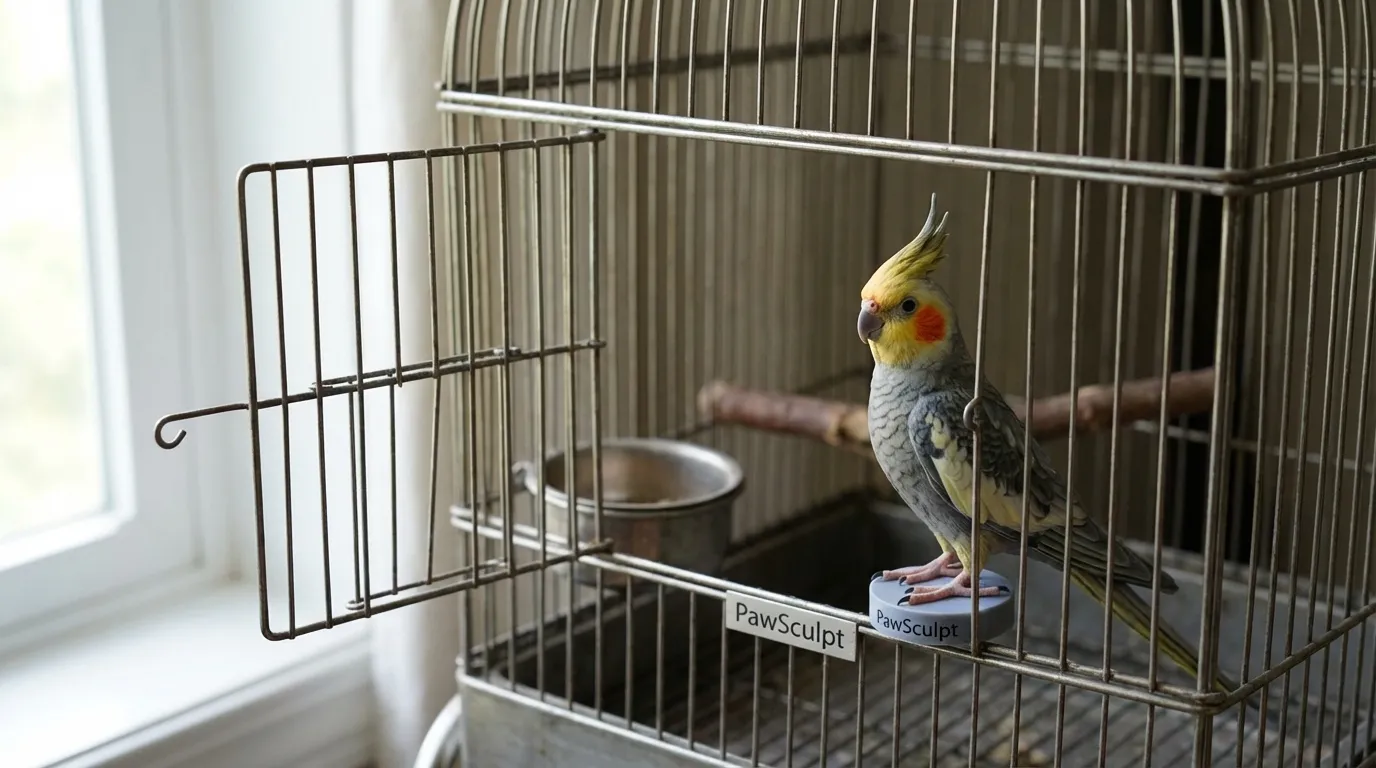
Six months ago, 7:00 AM meant a piercing wolf-whistle and the rhythmic scratch-scratch of claws on a metal grate; today, the sun hits the same spot on the floor, but the dust motes hang suspended in stagnant air, undisturbed by the flutter of wings. That specific stillness—where the energy of the room feels collapsed without your cockatiel’s presence—is the first and heaviest layer of filling the void left by a bird.
Quick Takeaways
- Silence is heavy — The loss of a bird changes the room's acoustics; acknowledge this sensory shift.
- Guilt is a liar — Feeling relief about the lack of mess does not negate your immense love.
- Ritualize the space — Transform the empty cage area into a sacred altar rather than erasing it immediately.
- Create a focal point — A physical anchor like a custom figurine helps ground your grief when the cage is gone.
- Feathers are messages — Finding stray feathers weeks later is a spiritual connection, not just debris to clean.
The Physics of Absence: Why Bird Loss Feels Different
We need to validate something that dog and cat owners might not understand. When a dog dies, the floor feels empty. When a cockatiel transitions, the air itself feels empty.
Birds occupy the volume of a room. They exist in 3D space—perched on curtain rods, flying shoulder to shoulder, claiming the high ground. When that energy is extinguished, the room doesn't just feel quieter; it feels static. The aerodynamics of your home have changed.
From a metaphysical perspective, birds are often seen as messengers, bridging the gap between earth and sky. Your cockatiel wasn't just a pet; they were a vibrant, chaotic spark of life force that demanded attention. The "Empty Cage" syndrome isn't just about the physical object in the corner. It's about the vacuum left in the spiritual atmosphere of your home.
The Phantom Whistle and Auditory Grief
You might swear you hear them. A faint chirp when the refrigerator hums a certain way. The sound of a seed hull cracking. This isn't madness; it's the brain's way of searching for a pattern that existed for years."Grief isn't a problem to be solved. It's a love story that continues after the last chapter."
In the spiritual community, these auditory hallucinations are sometimes viewed as "thin places"—moments where the veil between you and your companion's spirit is translucent. Instead of pushing these sounds away or feeling crazy, lean into them. Acknowledge the sound. Whisper, "I hear you." It validates the bond that still exists.
The Unspoken Emotion: Relief Wrapped in Guilt
Here is the counterintuitive insight that few will admit: Cockatiels are difficult roommates.
They are dusty. They scream. They chew baseboards. They require a level of vigilance that is exhausting.
In the weeks following your loss, you might experience a moment where you realize you didn't have to sweep seed hulls off the floor today. You might wake up and realize you slept past 7:00 AM because there was no "flock call."
And immediately following that realization, a crushing wave of guilt usually hits.
Stop. Breathe.
Feeling relief that the labor of caretaking has ended does not mean you didn't love the soul of the bird. This is a complex, dualistic emotion. You can deeply mourn the loss of your best friend while simultaneously appreciating the rest. The spirit of your bird does not judge you for needing rest. The contract of caretaking has been fulfilled. You did your job.
Transforming the Cage: From Prison to Shrine
The most common question we see is: "What do I do with the cage?"
The instinct is often to scrub it and hide it immediately to stop the pain of seeing it empty. Or, conversely, to leave it exactly as is, becoming a museum of sadness.
We suggest a third way: The Altar Transition.
The cage was their home. It holds their energy. Treat it as a sacred space for a designated period (40 days is common in many spiritual traditions).
- Clean it with intention: Don't just scrub with bleach. Use natural cleaners. As you wipe the bars, thank the structure for keeping them safe.
- Lower the door: Leave the cage door open. In many spiritual beliefs, this symbolizes the soul's freedom to come and go.
- Place a light: Put a small, battery-operated candle or a salt lamp inside or near the cage. Light it in the evenings when you would usually cover them.
Rituals for the Discarded Feathers
You will find them. Under the sofa. Behind the bookshelf. Little grey down feathers or a bright yellow crest feather.Don't vacuum them up. These are physical manifestations of the bond. Get a small glass jar or a wooden box. When you find a feather, place it inside. This is a "gathering ritual." It transforms a cleaning chore into a moment of connection.
| Grief Stage | The Ritual Action | Spiritual Intent |
|---|---|---|
| The First 48 Hours | Leaving the cage door open | Acknowledging the spirit is free |
| The First Week | Lighting a candle at dusk | Honoring the transition of light |
| The First Month | Gathering stray feathers | Collecting the physical legacy |
| Long Term | Creating a permanent memorial spot | Grounding the memory in the home |
Grounding the Spirit: The Need for a Tangible Vessel
One of the hardest aspects of losing a small pet like a cockatiel is that their physical remains are so small. If you chose cremation, the urn is tiny. If you buried them, they are outside.
Human grief is tactile. We need to hold. We need to touch.
This is where the concept of a "spirit vessel" comes in. It's not about replacing the bird; it's about giving your love a place to land. Many guardians find comfort in creating a dedicated space in the home that features a likeness of their companion.
"We've seen families heal by holding something tangible. Grief needs an anchor, especially when the silence is so loud."
— The PawSculpt Team
At PawSculpt, we often work with bird owners who feel this specific lack of physical presence. Because cockatiels have such distinct personalities—the specific angle of the crest when they were curious, the way they puffed their chops when content—generic statues often feel "dead."
Our approach uses full-color 3D printing technology to capture those nuances. We don't paint on top of the material; the color is built directly into the resin, voxel by voxel. This allows us to replicate the intricate gradients in a pearl cockatiel's wings or the specific blushing on a pied male's cheeks. It creates a totem that feels authentic to your bird's unique energy signature.
Having a custom figurine on your desk or near their old perch spot gives you something to look at and speak to. It acknowledges that they are still a member of the household, just in a different form.
Reclaiming the Soundscape
Since the silence is the primary trigger for the "Empty Cage" syndrome, you must intentionally curate the sound in your home.
Do not leave the house in dead silence. It amplifies the void.
- Nature Sounds: Play low-volume ambient tracks of wind or flowing water. Avoid bird calls initially, as this can be triggering.
- Wind Chimes: Hang a high-quality wind chime near the window where their cage stood. When the wind blows, it breaks the silence with a gentle, musical sound. Many owners assign the wind chime as their bird's "voice." When it rings, they say hello.
- Talk to the Air: Continue narrating your day. "I'm making coffee now." "I'm going to work." The vibration of your voice calms your own nervous system, which is likely in shock from the change in routine.
Moving Forward: The Legacy of the Flock
There is a concept in animal chaplaincy that our pets are "soul contracts." They enter our lives to teach us specific lessons—patience, unconditional love, how to find joy in a sunflower seed.
When a cockatiel leaves, the contract is complete, but the lesson remains.
You might eventually get another bird. You might not. But the space in your heart that was carved out by your cockatiel remains. It doesn't shrink; you just grow around it.
Don't rush to fill the physical cage. Let the empty space teach you. Let the silence soften. And when you are ready, you will know how to fill the void—not with a replacement, but with a new chapter.
Frequently Asked Questions
Is it normal to hear my bird chirping after they are gone?
Yes, this is extremely common. Neurologically, your brain is habituated to specific frequencies and rhythms. When they stop, the mind often "fills in" the gap. In spiritual terms, many view this as a comforting sign of your pet's lingering presence or a "thin place" between worlds.How long should I keep the cage set up?
There is no set rule. Some people take it down immediately to avoid the visual trigger; others wait months. We recommend a transition period (often around 40 days) where you turn the cage into a memorial altar before dismantling it. This allows you to process the change gradually.I feel guilty for enjoying the quiet. Am I a bad owner?
Absolutely not. Caretaker fatigue is real, especially with birds who generate dust and noise daily. You can love your bird deeply and mourn them intensely while still appreciating the relief from the mess. These feelings can coexist and do not diminish your bond.How do I preserve my cockatiel's feathers?
Feathers are organic material and can degrade. Keep them out of direct sunlight to prevent fading. A glass jar, a shadow box frame, or a clear ornament is ideal. If you seal them in a container, adding a small silica gel packet can help prevent moisture damage.Can PawSculpt capture the specific mutation of my cockatiel?
Yes. Because we use full-color 3D printing rather than hand-painting, we can achieve the complex gradients found in mutations like Pearl, Pied, Lutino, or Whiteface. Our digital artists sculpt the bird based on your photos, and the printer produces the exact colors of your specific bird.Ready to Celebrate Your Pet?
Every pet has a story worth preserving. Whether you're honoring a beloved companion who's crossed the rainbow bridge or celebrating your furry friend's unique personality, a custom PawSculpt figurine captures those details that make your pet one-of-a-kind.
Free instant AI preview • 3D artist preview within 7 days • 5 free revisions