
Creating a Pet-Safe Home: 7 Hidden Hazards to Avoid Today
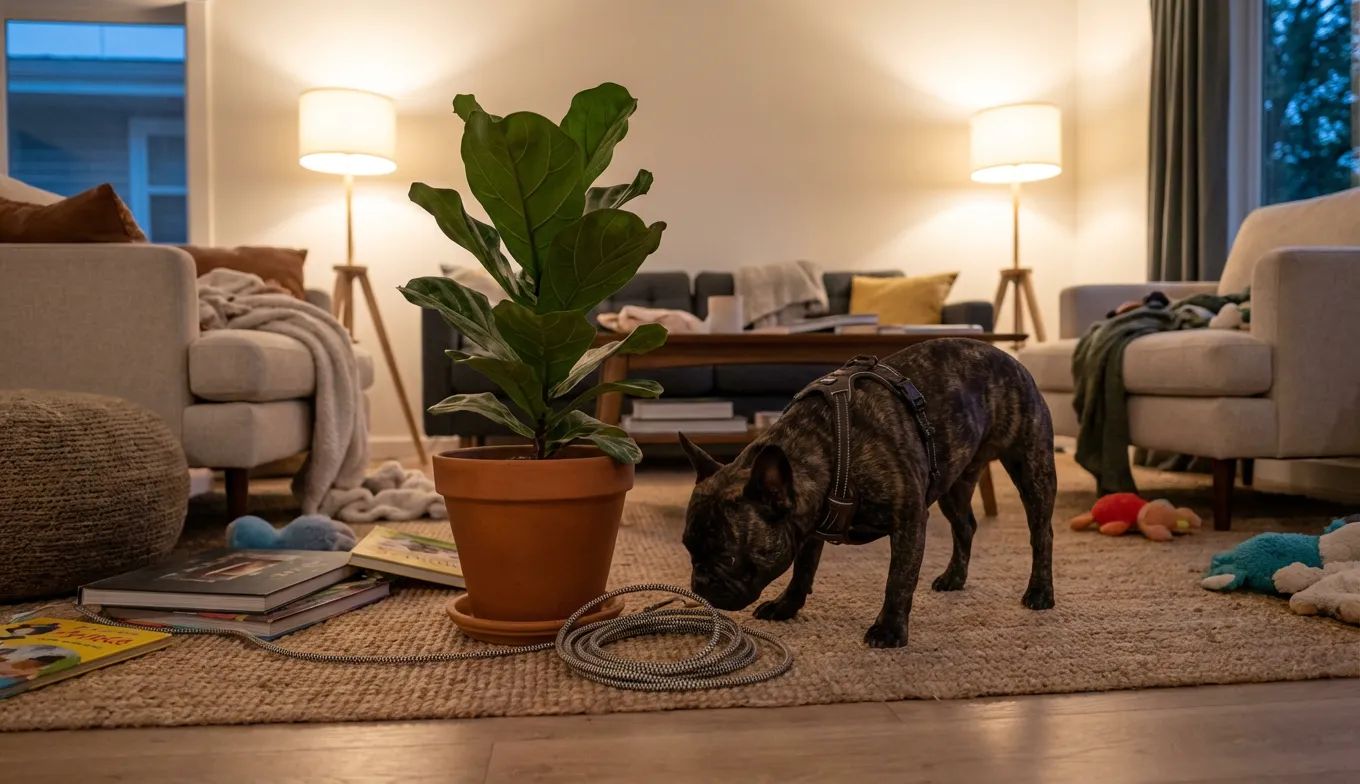
You know that heart-stopping moment when you hear a crash from the other room, followed by silence? Or perhaps the sudden panic when you realize your dog is chewing on something you didn't give them, and you can't quite make out what it is? Every pet parent knows this specific brand of anxiety. We build our lives around our furry companions, inviting them into our homes and hearts with the promise of protection. Yet, even in the most loving households, creating a truly pet-safe home is a constantly evolving challenge. It’s not just about locking away the obvious cleaners under the sink; it’s about seeing your living space through their eyes—curious, relentless, and blissfully unaware of danger.
Ensuring pet safety at home isn't about wrapping your furniture in bubble wrap or living in a state of constant vigilance. It’s about smart, proactive adjustments that allow your pets to thrive without risk. Whether you’ve just brought home a chaotic new puppy or you’re looking to make your space friendlier for a senior cat, understanding the hidden hazards lurking in plain sight is the first step toward peace of mind. Let’s walk through the rooms of your home together and uncover the seven hidden dangers that most pet owners overlook until it's too late.
1. The Green Danger: Toxic Houseplants and Bouquets
We all love the aesthetic of a lush, green living room. Houseplants purify the air and boost our mood, but for our four-legged friends, an innocent-looking fern or a beautiful bouquet can be a deadly temptation. One of the most common oversights in dog proofing a house or creating a cat friendly home is assuming that animals have an instinctual knowledge of what is safe to eat. Unfortunately, they don't.
The Lilies Trap
This is particularly critical for cat owners. True lilies (from the Lilium and Hemerocallis genera) are catastrophically toxic to felines. The pollen, the water in the vase, the leaves—even a tiny smudge of pollen groomed off a paw can cause acute kidney failure in less than 72 hours. It is heartbreakingly common for well-meaning friends to send "Get Well" flowers containing lilies to a cat owner, unknowingly introducing a severe hazard.Common culprits often found in homes:
- Sago Palm: Highly toxic to dogs; ingestion can cause liver failure.
- Tulips and Hyacinths: The bulbs are the most dangerous part, often dug up by curious dogs.
- Aloe Vera: Great for human sunburns, but the saponins in the plant can cause vomiting and diarrhea in pets.
- Philodendrons and Pothos: While usually not fatal, these contain calcium oxalate crystals that cause intense oral irritation, drooling, and difficulty swallowing.
Safe Alternatives to Brighten Your Space
You don't have to live in a plant-free zone. There are plenty of stunning, non-toxic options that allow you to maintain that urban jungle vibe safely:- Spider Plants: Resilient and safe for both cats and dogs.
- Boston Ferns: Lush, shaggy, and non-toxic.
- Calathea (Prayer Plants): Beautiful patterned leaves and completely pet-safe.
- Succulents (Echeveria & Haworthia): Great for sunny windowsills and safe if nibbled.
Pro Tip: Before bringing any new plant into your home, take ten seconds to check the ASPCA’s toxic plant database. It’s a small habit that saves lives.
2. The Kitchen Counter: More Than Just Food Hazards
The kitchen is often the heart of the home, filled with delicious smells that act as a siren song for pets. While most owners know about chocolate, the landscape of kitchen toxicity has changed in recent years, introducing new threats that are far more potent and less understood.
The Xylitol (Birch Sugar) Crisis
If you take only one thing away from this article, let it be this: Xylitol kills. This sugar substitute is found in an alarming number of household products, including sugar-free gum, peanut butter, breath mints, toothpaste, and even some baked goods. In dogs, xylitol causes a massive insulin release that leads to severe hypoglycemia (low blood sugar) within 10 to 60 minutes. This can result in seizures, liver failure, and death.The terrifying part is the dosage. A single stick of sugar-free gum can be fatal to a small dog. Always check the label of your peanut butter before stuffing a Kong toy; if it says "xylitol" or "birch sugar," keep it far away from your pet.
The Trash Can Temptation
A secure trash can is the unsung hero of a pet-safe home. The "garbage gut" phenomenon isn't just about a messy floor; it's about what’s inside.- Cooked Bones: Unlike raw bones, cooked chicken or steak bones become brittle. When chewed, they splinter into sharp shards that can perforate the esophagus, stomach, or intestines, requiring emergency surgery.
- Corn Cobs: These seemingly harmless veggies are the perfect size to cause a bowel obstruction. They do not break down in the stomach and often require surgical removal.
- Fruit Pits: Peach, plum, and avocado pits present choking hazards and contain traces of cyanide.
Investing in a trash can with a locking lid or keeping your bin inside a pantry or under the sink (with a child-proof lock) is an essential step in dog proofing a house.
3. The Tangled Web: Electrical Cords and Tech Hazards
In our modern, connected lives, our homes are crisscrossed with charging cables, power strips, and HDMI cords. To a bored puppy or a playful kitten, a dangling wire looks exactly like a toy.
The Shock Factor
Chewing on a live wire can cause severe electrical burns to the mouth and tongue. More critically, the shock can cause fluid accumulation in the lungs (pulmonary edema), leading to difficulty breathing hours after the incident.Strategies for Cord Management
- Cable Concealers: Use plastic cord covers that adhere to baseboards to hide wires running along walls.
- Bitter Sprays: Apply a bitter apple or cherry spray to exposed cords. The taste is a strong deterrent for most animals.
- PVC Pipe: For heavy-duty chewers (like rabbits or determined puppies), running cords through PVC pipe behind entertainment centers is virtually chew-proof.
- Unplug When Not in Use: It sounds simple, but unplugging toaster ovens, lamps, or chargers when you aren't using them eliminates the risk of shock entirely.
This vigilance extends to our most precious items. We often see clients at PawSculpt who tell us stories about their pets' distinct personalities—the "destroyers" versus the "observers." One client shared a story about her Golden Retriever who had a penchant for chewing specifically on expensive noise-canceling headphones. While she laughs about it now, preserving the memory of that mischievous spirit is part of why she chose to commission a custom figurine. Capturing those unique quirks—even the naughty ones—is what makes our bond with them so special. But regarding safety, it’s best to keep the tech out of reach!
4. The Medicine Cabinet: Human Meds are Not Pet Meds
It happens in a split second. You drop a pill on the bathroom floor, it bounces, and before you can bend down, your dog has vacuumed it up. Or perhaps you leave a bottle of ibuprofen on the nightstand, and your cat knocks it over, playing hockey with the capsules until one breaks open.
Human medications are the number one cause of pet poisoning consistently, year after year.
The "Big Three" Pain Relievers
Never assume human painkillers are safe for pets. 1. Acetaminophen (Tylenol): Extremely toxic to cats. It damages red blood cells, interfering with oxygen transport. Even a single tablet can be fatal. In dogs, it causes liver damage. 2. Ibuprofen (Advil, Motrin): Causes stomach ulcers and rapid kidney failure in both dogs and cats. 3. Naproxen (Aleve): Even more potent than ibuprofen; very small doses are dangerous.Antidepressants and ADHD Medications
As prescriptions for anxiety, depression, and ADHD become more common in households, so do accidental ingestions. Dogs, in particular, seem drawn to the smell or texture of certain pills. Ingestion can lead to "serotonin syndrome," characterized by agitation, tremors, seizures, and elevated body temperature.Safety Protocol:
- The "Closed Door" Policy: Take your medication in a room with the door closed. If you drop a pill, you can find it without racing your pet.
- Secure Storage: Keep all meds in a high cabinet, not on bedside tables or low counters.
- Bag Awareness: Don't leave zipper-lock bags of pills in purses or backpacks that are left on the floor. A dog can chew through a bag in seconds.
5. The Hidden Hazards of Home Decor and Fragrance
We all want our homes to smell inviting, but the products we use to achieve that "fresh linen" scent can be respiratory irritants or toxic hazards for our pets.
Essential Oils and Diffusers
The rise of essential oils for wellness has created a significant hazard for a cat friendly home. Cats lack a specific liver enzyme (glucuronyl transferase) needed to break down certain compounds found in oils.- Highly Toxic to Cats: Tea Tree (Melaleuca), Peppermint, Eucalyptus, Citrus oils, Cinnamon, and Clove.
- The Diffuser Danger: Nebulizing diffusers pump micro-droplets of oil into the air. If these droplets land on your cat's fur, they ingest the oil while grooming. This can lead to liver failure or aspiration pneumonia.
Candles and Potpourri
Open flames are an obvious risk for wagging tails and jumping cats. However, liquid potpourri is a sneaky danger. It often contains cationic detergents and essential oils. If a cat licks a spill or a dog drinks from a warmer, it can cause severe chemical burns to the mouth and esophagus.Safe Scents
If you want a pleasant-smelling home, opt for:- Simmer Pots: Boil water with pet-safe ingredients like apple slices or vanilla beans on the stove.
- Pet-Safe Candles: Look for candles made from soy or beeswax with cotton wicks, scented with pet-safe oils (like lavender or chamomile, used sparingly).
- Air Purifiers: The best way to remove odors is to filter them out, not mask them. HEPA filters are safe and effective.
6. The Garage and Utility Room: Chemical Warfare
The garage is often where we store the "heavy duty" stuff—automotive fluids, pesticides, and fertilizers. Because pets often follow us into the garage or spend time in the yard, these areas require strict management.
Antifreeze (Ethylene Glycol)
This is the classic, tragic killer. Traditional antifreeze has a sweet taste that dogs and cats find irresistible. A surprisingly small amount—a teaspoon for a cat or a tablespoon for a small dog—can cause fatal kidney failure.- The Fix: Switch to propylene glycol-based antifreeze, which is less toxic (though still not safe to drink). Clean up spills immediately and store containers on high shelves.
Rodenticides (Rat Poison)
The irony of using rat poison is that it often endangers the animals we want to keep safe.- Secondary Poisoning: Even if your pet doesn't eat the bait directly, eating a rodent that has consumed the poison can be dangerous.
- The Mechanism: Most rodenticides work by preventing blood clotting. Symptoms like internal bleeding may not show up for 3-5 days, by which point treatment is difficult.
- Safer Options: Use snap traps inside "bait stations" that pets cannot access, or focus on sealing entry points to your home to prevent pests rather than poisoning them.
Laundry Pods
Those colorful, squishy laundry pods look like toys or treats. They contain highly concentrated detergents under high pressure. If a dog bites into one, the liquid shoots to the back of the throat, causing coughing, choking, and potentially aspiration into the lungs. The chemicals can also cause corneal burns if they splash into the eyes.7. The Great Outdoors: Perimeter Safety
Creating a pet-safe home extends to the backyard. This is your pet's kingdom, their slice of nature, but it needs to be fortified against escape and injury.
Fencing and Escape Routes
Physical fences are the gold standard for dog proofing a house exterior. However, fences age. Wood rots, soil erodes, and latches rust.- The "Push" Test: Regularly walk your fence line and push on the boards. Check for gaps at the bottom where a determined terrier could squeeze through or dig under.
- Gate Latches: Ensure gates self-latch or use a carabiner clip as a secondary lock. Delivery drivers or meter readers may inadvertently leave a gate unlatched.
Fertilizer and Cocoa Mulch
- Cocoa Mulch: Made from cocoa bean shells, this mulch smells like chocolate and contains theobromine (the same toxic compound in chocolate). Dogs will eat large quantities of it, leading to seizures and heart arrhythmias. Use pine, cedar, or rubber mulch instead.
- Fertilizers: Many fertilizers contain bone meal or blood meal, which smell delicious to dogs but can cause severe pancreatitis or form a cement-like blockage in the stomach if ingested in large amounts. Keep pets off treated lawns for at least 24 hours (or as directed by the package).
The Emotional Component of Safety
We talk about safety in terms of chemicals and fences, but there is an emotional component to creating a safe space, too. A safe home is one where a pet feels secure, loved, and understood. It’s about creating routines that reduce anxiety and providing spaces where they can retreat when the household gets chaotic.
It is also about acknowledging how deeply these animals weave themselves into the fabric of our lives. When we go to such lengths to protect them—installing baby gates, changing our cleaning products, rearranging our plants—it is an act of profound love. We do it because their presence makes a house a home.
This intense bond is why so many pet owners look for ways to celebrate their companions beyond just daily care. We see this constantly at PawSculpt, where pet parents commission custom figurines not just as memorials, but as celebrations of living pets. There is something incredibly grounding about having a tangible representation of your pet—capturing the specific way their ears perk up or that unique patch of fur on their chest. Just as you meticulously curate your home to keep them safe, a museum-quality sculpture serves as a permanent reminder of the joy they bring to that safe space. It’s a way to freeze time, holding onto the essence of your protector, your confidant, your best friend.
Emergency Preparedness: The Ultimate Safety Net
Despite our best efforts, accidents can happen. Being prepared turns a panic situation into a managed crisis.
The Pet First Aid Kit
Every home should have a dedicated kit containing:- Sterile gauze and non-stick bandages
- Adhesive tape (pet-safe)
Hydrogen peroxide (3%) – Only to be used to induce vomiting under specific veterinary direction.*
- Digital thermometer
- Tweezers and tick remover
- Saline solution for flushing eyes or wounds
- A copy of your pet’s vaccination records
Important Contacts
Program these numbers into your phone now, not when an emergency is happening: 1. Your Primary Veterinarian 2. Nearest 24-Hour Emergency Vet Clinic (Know the route!) 3. ASPCA Animal Poison Control Center: (888) 426-4435 (Note: A consultation fee usually applies, but it is worth every penny for life-saving advice).Conclusion: A Labor of Love
Transforming your living space into a pet-safe home isn't a one-time checklist; it's a lifestyle shift. It requires looking at the world from a different height—about six inches to two feet off the ground. It requires patience, vigilance, and a willingness to adapt.
But when you look at your dog sleeping soundly in a sunbeam, safe from harm, or your cat perched high on a shelf, surveying their domain with confidence, you know it’s worth it. You are their guardian, their world, and their safety net.
By addressing these seven hidden hazards—from the plants on your windowsill to the cords behind the TV—you are gifting them a life of freedom and security. Whether you choose to celebrate that bond by commissioning a lasting tribute from PawSculpt or simply by spending an extra hour playing fetch in your newly secured backyard, the goal remains the same: to cherish and protect the unconditional love they give us every single day.
Stay safe, stay vigilant, and give your furry friend an extra hug from us today.
Celebrate Your Pet's Unique Personality
Every pet has quirks and characteristics that make them one-of-a-kind. A custom PawSculpt figurine captures those details—the way they tilt their head, their favorite pose, the spark in their eyes.
Free instant AI preview • 3D artist preview within 7 days • 5 free revisions