
Grooming 101: Bonding With Your Pet While Keeping Them Clean
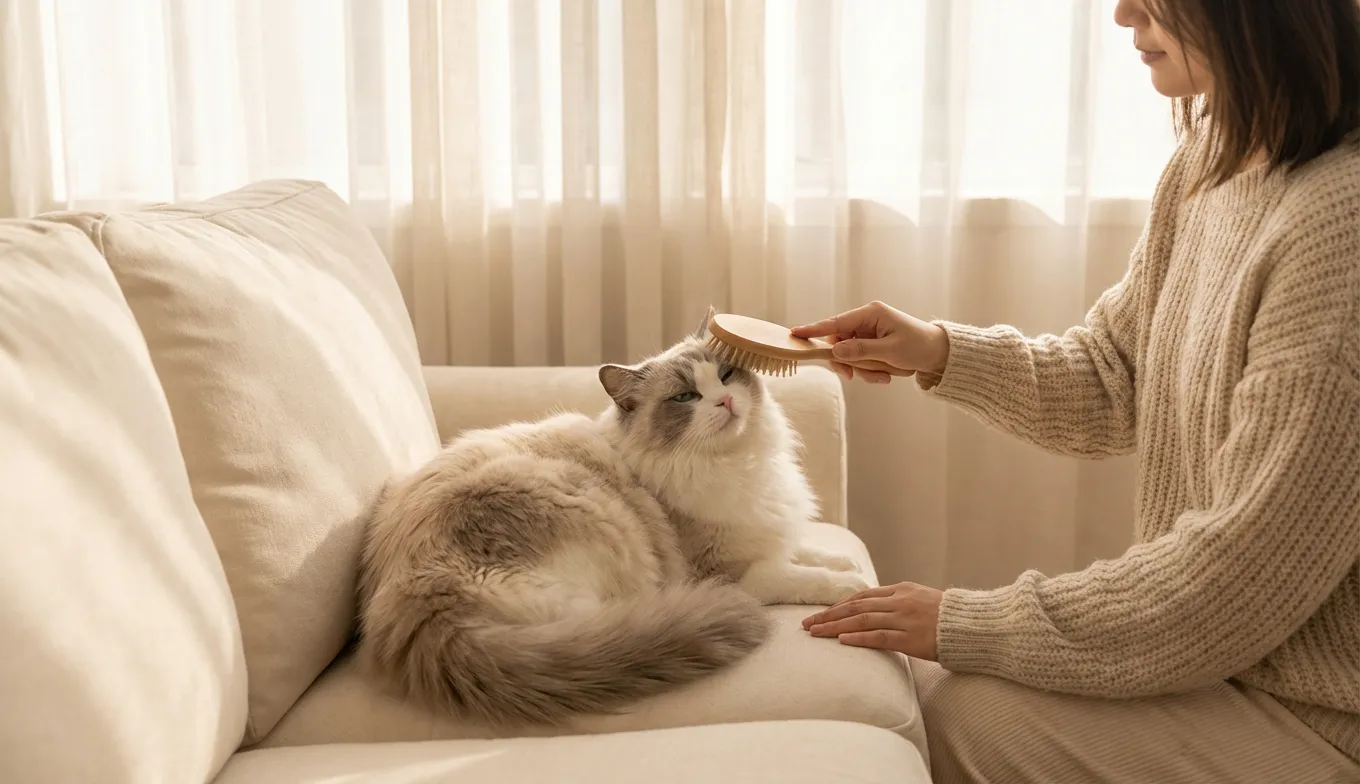
Grooming 101: Bonding With Your Pet While Keeping Them Clean
Category: Pet Care & Lifestyle
There is a moment every pet owner knows well. It’s that quiet evening on the couch when your dog sighs deeply, resting their chin on your knee, or when your cat finally curls up on your chest, purring like a tiny engine. In these moments, we realize that our pets aren't just animals living in our homes; they are pieces of our hearts.
However, pet ownership isn't just snuggles and playtime. It involves the nitty-gritty of care—specifically, grooming. For many, grooming is viewed as a chore, a wrestle, or a necessary evil involving flying fur and the occasional scratch. But what if we reframed the narrative? What if grooming wasn’t just about hygiene, but about connection?
Welcome to Grooming 101. In this comprehensive guide, we are going to explore how to transform the grooming routine from a battleground into a bonding experience. We will cover essential dog grooming tips, secrets to bonding with your cat through touch, and a complete pet hygiene guide that ensures your furry friend stays healthy and happy.
Because at the end of the day, every brush stroke is a way of saying, "I love you." And just as we cherish their unique personalities by immortalizing them with a custom figurine from PawSculpt, we honor their physical well-being through dedicated, loving care.
---
The Psychology of Touch: Why Grooming Matters
Before we dive into the tools and techniques, it is crucial to understand why we groom. In the wild, mutual grooming (allogrooming) is a primary social activity for both canines and felines. It reinforces social hierarchies, reduces stress, and strengthens family bonds. When a mother cat licks her kittens or wolves nibble each other's coats, they are communicating safety and affection.
When you groom your pet, you are stepping into that primal role. You are telling them they are part of your pack or clowder.
The Health Benefits Beyond the Shine
While the emotional connection is paramount, the physical benefits of a consistent pet hygiene guide are undeniable:- Early Detection: Regular handling allows you to find lumps, bumps, ticks, or skin irritations before they become serious medical issues.
- Coat Health: Brushing distributes natural oils, keeping the coat waterproof and shiny while preventing painful mats.
- Comfort: Long nails can alter a dog’s gait and cause joint pain; dirty ears can lead to infections. Grooming is pain prevention.
---
Part 1: Canine Care – Turning the Bath into a Bond
Dogs vary wildly in their grooming needs. A Samoyed requires a different approach than a Beagle. However, the principles of trust remain the same. Here are some expert dog grooming tips to make the process smoother.
1. The Art of Brushing: It’s Not Just About Knots
Brushing is the cornerstone of grooming. It’s the daily or weekly ritual that keeps the shedding under control.Setting the Scene:
Don't chase your dog with a brush. Instead, wait until they are calm—perhaps after a long walk. Sit on the floor with them. Start by petting them with your hands to relax them.
The Technique:
- Short-haired dogs: Use a rubber curry brush or grooming glove. These mimic the feeling of being petted. Use circular motions to massage the skin and loosen dead hair.
- Long-haired dogs: Use a slicker brush and a metal comb. Work in sections. Hold the hair near the root to prevent pulling on the skin if you hit a snag.
The Bonding Moment:
Talk to your dog constantly. Use a low, soothing voice. If they pull away, stop. Reassure them. Give a treat. This teaches them that you respect their boundaries. Over time, many dogs come to lean into the brush, enjoying the scratch on those hard-to-reach spots.
2. The Bath: From Panic to Play
For many dogs, the bathtub is the enemy. The slippery surface and the noise of the water can be terrifying.Making it Safe:
- Traction is Key: Place a rubber mat or a towel in the bottom of the tub. If a dog feels stable, they feel safer.
- Temperature Check: Ensure the water is lukewarm. Too hot or too cold can shock them.
- Protect the Ears: Place cotton balls gently in their ears to prevent water from entering the canal, which can cause infections.
The Bonding Moment:
Instead of rushing to scrub and rinse, take a moment to massage the shampoo in. Use your fingertips to give a deep tissue massage on their shoulders and back. Most dogs carry tension here. By turning the cleaning process into a spa massage, you change the association from "scary water" to "feels good."
3. Nail Trimming: The Ultimate Trust Exercise
This is often the most dreaded task for both owner and dog. The fear of "quicking" the nail (cutting into the blood vessel) is real.Desensitization:
If your dog hates having their paws touched, start there. Don't even bring out the clippers yet. Spend a week just touching their paws, massaging the toes, and giving treats.
The Technique:
- Take small slivers off the nail rather than one big chunk.
- Look for the black dot in the center of the cut surface (this indicates the quick is near).
- If you are too nervous, use a grinder (Dremel tool) instead of clippers. It’s slower but offers more control.
The Bonding Moment:
This requires high-value treats. Clip one nail, give a piece of cheese. Clip another, give a piece of chicken. You are building a transaction of trust. "I let you touch my sensitive feet, and you reward me."
---
Part 2: Feline Finesse – Bonding With Your Cat Through Grooming
Cats are fastidious self-groomers, spending up to 50% of their waking hours cleaning themselves. You might wonder, "Do I really need to groom my cat?" The answer is yes. Domestic cats, especially long-haired breeds or older cats with limited mobility, need help. Furthermore, bonding with your cat through grooming is a powerful way to earn their notoriously difficult-to-get respect.
1. The Brush: Respecting the Threshold
Unlike dogs, cats have a very specific tolerance threshold for touch. Overstimulation aggression is common—one minute they are purring, the next they are swatting.Reading the Room:
Watch the tail. A twitching tail tip is a warning. Flattened ears or rippling skin means "stop now."
The Technique:
- Start with the cheeks and chin. These are scent gland areas where cats love to be rubbed.
- Use a soft bristle brush initially. Move to the back and shoulders.
- Avoid the belly unless you know your cat tolerates it. The belly is their most vulnerable spot; touching it can trigger a defensive instinct.
The Bonding Moment:
Allow the cat to "groom" the brush. Hold it out and let them rub their face against it. This marks the tool with their scent, making it "theirs." When you brush them, you are participating in their scent-marking ritual, effectively blending your scent with theirs. This is the ultimate sign of feline friendship.
2. The Dreaded Claw Clip
Cats need their claws trimmed to prevent them from growing into the paw pads and to save your furniture.The "Burrito" Method:
If your cat is spicy, wrap them gently in a towel (the "purrito"), leaving one paw out at a time. This provides deep pressure therapy, which can be calming, and keeps you safe from scratches.
The Bonding Moment:
Timing is everything. Catch them when they are sleepy. A cat nap in a sunbeam is the perfect time to snip one or two claws. You don't have to do all 18 claws in one sitting. Doing two claws a day with zero stress is better than doing all of them in a traumatic wrestling match.
3. Dealing with Hairballs
Regular grooming significantly reduces hairballs. When you remove loose fur, your cat swallows less of it. This isn't just hygiene; it's digestive health. By brushing your cat, you are actively preventing the discomfort of vomiting, showing you care for their internal well-being.---
Part 3: The Tools of the Trade – A Comprehensive Pet Hygiene Guide
To groom effectively, you need the right toolkit. Using the wrong brush can scratch skin or fail to remove the undercoat.
Essential Kit for Dogs:
- Slicker Brush: For removing mats and tangles.
- Bristle Brush: For short coats and finishing touches.
- Undercoat Rake: Essential for double-coated breeds (Huskies, Shepherds) to manage shedding.
- Guillotine or Scissor Clippers: Choose the size appropriate for your dog.
- Styptic Powder: Essential to stop bleeding if you accidentally nip the quick.
- Dog-Specific Shampoo: Never use human shampoo; the pH balance is different and can dry out their skin.
Essential Kit for Cats:
- Fine-toothed Comb: Great for catching fleas and working through silky fur.
- Rubber Grooming Mitt: Excellent for short-haired cats who fear brushes.
- Small Scissor Clippers: Easier to maneuver on tiny cat claws.
The "PawSculpt" Perspective on Detail:
When we look at our pets, we see the details—the specific swirl of fur on their chest, the feathering on their legs. These are the details that make them unique. It’s why PawSculpt artisans pay such close attention to texture when creating custom figurines. When you are grooming, you are getting up close and personal with these same details. You are learning the topography of your pet. This intimacy is rare and beautiful.
---
Part 4: Troubleshooting Common Grooming Challenges
Even with the best intentions, things can go wrong. Here is how to handle common hurdles in your pet hygiene guide.
The Mat That Won’t Budge
Do not use scissors to cut a mat out close to the skin. It is very easy to accidentally cut the skin, which pulls up into the mat.- Solution: Use cornstarch. Rub a little into the knot to help the hairs slide apart. Use a detangling spray. Pick at the mat gently with the end of a metal comb, starting from the outside and working in. If it is tight against the skin, take the pet to a professional groomer.
The Fearful Pet
If your pet shakes or hides when they see the brush, you need a reset.- Solution: Put the grooming tools away for two weeks. Then, bring the brush out and just leave it on the floor. Put treats around it. Let them investigate it without you touching it. Slowly reintroduce it as a positive object, not a tool of torture.
The "Zoomies" After a Bath
Why do dogs go crazy running around after a bath?- Solution: embrace it! It’s called FRAP (Frenetic Random Activity Periods). It’s a release of stress and a way to warm up. Have warm towels ready and play a game of tug. It turns the end of the bath into a celebration.
---
Part 5: Eyes, Ears, and Teeth – The Often Forgotten Trio
Grooming isn't just about fur. A holistic pet hygiene guide must include the face.
Dental Health: The Gateway to Longevity
Dental disease is the most common health issue in pets. Bacteria from the mouth can travel to the heart and kidneys.- The Routine: Ideally, brush daily. Realistically, aim for 3 times a week.
- The Bond: Use a finger brush and poultry-flavored toothpaste. Let them lick it off your finger first. Rub their gums gently. This is an intimate act of care that prolongs their life.
Ear Care: Listening to Needs
Floppy-eared dogs are prone to yeast infections.- The Routine: Smell their ears. A yeasty or sweet smell indicates infection. Wipe the outer ear with a vet-approved cleaner on a cotton ball. Never insert Q-tips deep into the canal.
- The Bond: Ear rubs are a love language for dogs. Incorporate the cleaning into a long, soothing ear massage.
Eye Care: clear Vision
Some breeds (Pugs, Persians) need daily face wiping to prevent tear staining and skin fold infections.- The Routine: Use a warm, damp cloth to gently wipe away "sleep" or crust from the corners of the eyes.
- The Bond: This requires your pet to hold very still and trust you near their eyes. Soft praise and gentle strokes under the chin help maintain this trust.
---
Part 6: Grooming Senior Pets – A Special Touch
As our pets age, grooming becomes even more critical, yet more difficult. Arthritis can make standing in a tub painful. Paper-thin skin can tear easily.
Adjusting Your Approach:
- Comfort First: Groom them while they are lying down on a soft bed. Do one side, let them rest, then flip them over later.
- Soft Tools: Switch to softer brushes. Their skin produces less oil and is more sensitive.
- Hygiene Clips: Keep the fur around the sanitary areas (rear end) trimmed short to help them stay clean if they have bathroom accidents.
Caring for a senior pet is a profound experience. You are thanking them for years of loyalty. Just as a PawSculpt figurine captures the timeless spirit of your pet, senior grooming captures the enduring nature of your love. It is a quiet, gentle service you provide for your old friend.
---
Conclusion: The Ritual of Love
Grooming is not just maintenance; it is a conversation without words.
When you gently untangle a knot behind a Golden Retriever's ear, you are saying, "I will take care of you." When you wipe the tear stains from a Persian cat's face, you are saying, "I want you to be comfortable." When you trim the nails of an anxious rescue dog who is learning to trust again, you are saying, "You are safe with me."
By implementing these dog grooming tips and focusing on bonding with your cat, you transform a chore into a ritual. You move from being a pet owner to being a pet parent.
So, tonight, pick up the brush. Call your furry friend over. Take a deep breath. Don't rush. Feel the texture of their coat, listen to the rhythm of their breathing, and appreciate the incredible creature in front of you. A clean pet is a healthy pet, but a groomed pet is a loved pet.
And remember, every phase of your pet's life is precious. Whether they are a muddy puppy needing their first bath or a grey-muzzled senior needing a gentle wipe-down, they leave an imprint on our lives. Cherish these tactile moments, for they are the building blocks of a bond that lasts a lifetime.
---
Frequently Asked Questions (FAQs)
Q: How often should I bathe my dog?
A: It depends on the breed and lifestyle. Generally, once a month is sufficient for most dogs. bathing too often can strip natural oils. However, if you have a mud-loving pup, you might need to rinse them off more frequently with just water.
Q: My cat hates water. Do I have to bathe them?
A: Generally, no. Cats are excellent self-groomers. You only need to bathe a cat if they have gotten into something toxic, sticky, or are too obese/arthritic to clean themselves. In those cases, spot cleaning with a warm washcloth is often enough.
Q: Can I use human toothpaste on my dog?
A: Never. Human toothpaste often contains Xylitol, an artificial sweetener that is highly toxic (and potentially fatal) to dogs. Always use enzymatic toothpaste designed for pets.
Q: How do I know if I’m brushing too hard?
A: Test the brush on your own forearm. If it scratches you or feels uncomfortable, it is too rough for your pet’s skin. Watch your pet’s reaction—if they flinch or their skin turns red (brush burn), lighten your touch.
Q: What is the best way to handle shedding season?
A: Consistency is key. During spring and fall (when coats "blow"), try to brush daily for 10-15 minutes rather than doing one marathon session once a week. A warm bath and a blow-dry (on a cool setting) can also help loosen the dead undercoat.
Celebrate Your Pet's Unique Personality
Every pet has quirks and characteristics that make them one-of-a-kind. A custom PawSculpt figurine captures those details—the way they tilt their head, their favorite pose, the spark in their eyes.
Free instant AI preview • 3D artist preview within 7 days • 5 free revisions