
Talking to Kids About Pet Loss: A Gentle Parent's Guide
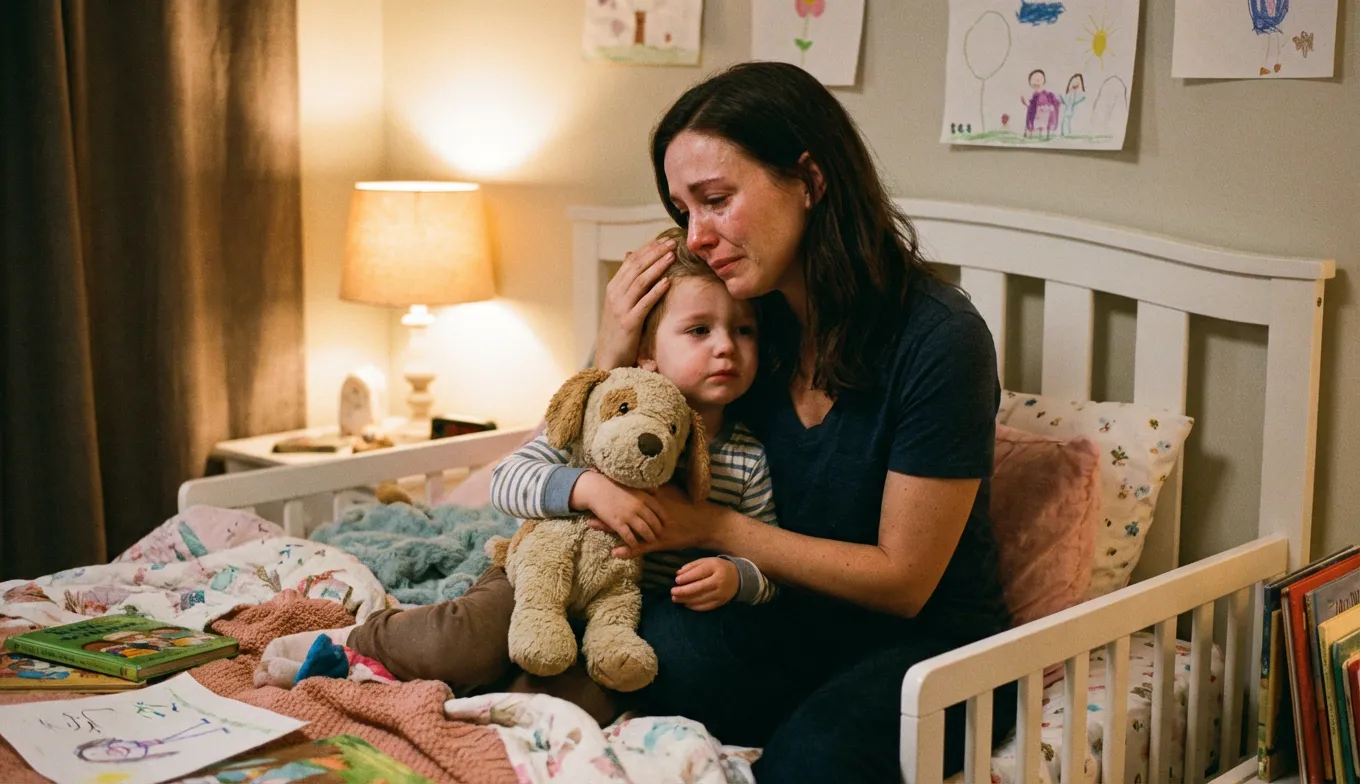
Talking to Kids About Pet Loss: A Gentle Parent's Guide
There is a singular, quiet heartbreak that every parent dreads: the moment you realize you have to explain death to your child for the very first time. For many families, this conversation isn’t prompted by the loss of a grandparent or a distant relative, but by the empty bed of a beloved family dog, cat, or small companion.
The family pet is often a child’s first best friend. They are the keepers of secrets, the playmates who never tire of fetch, and the comforting weight at the end of the bed during a thunderstorm. When that presence is gone, the void is enormous.
Navigating family pet loss is a profound parenting challenge. It requires us to put aside our own grief just long enough to guide our little ones through theirs. It demands honesty, vulnerability, and a delicate touch. As parents, our instinct is to shield our children from pain, but grief is a landscape they must learn to traverse.
This guide is designed to walk you through that landscape. We will explore age-appropriate ways of explaining pet death to a child, how to handle the difficult questions, and how to create lasting tributes that honor the love your family shared.
---
The Weight of the First Goodbye
Why is the loss of a pet so uniquely difficult for children? To understand kids and grief, we have to look at the role the animal played in their development.
Psychologists often note that pets provide "unconditional positive regard." A dog doesn’t care if a child failed a math test or struck out at tee-ball. A cat doesn’t mind if a teenager is feeling awkward or lonely. They offer a stable, non-judgmental presence in a world that is constantly evaluating children.
When a pet dies, the child loses that stability. They also lose a routine. The morning walk, the sound of kibble hitting the bowl, the scratching at the door—these sensory details make up the fabric of a child's day. When the fabric rips, the world feels unsafe.
Acknowledging this depth of loss is the first step. This isn't "just a dog" or "just a hamster." This is a significant bereavement event. By validating their pain, you are teaching them that their feelings matter and that grief is the price we pay for love—a price that is always worth paying.
Preparing the Ground: Before the Conversation
If the situation allows—for example, if a pet is terminally ill or aging—preparation is key. Sudden accidents offer no warning, but a slow decline gives you a window to prepare your child’s heart.
The Concept of "Old and Tired"
For younger children, framing the conversation around the body’s limitations is helpful. You might say, "Buster’s legs are very tired, and the doctor says they can't be fixed like a toy can. His body is wearing out because he has lived a very long, happy life."This sets the stage for the inevitability of death without introducing terror. It focuses on the biology of life rather than the tragedy of the end.
Involving Children in Care
Allowing children to participate in the gentle care of a sick pet can be empowering. Whether it’s sitting quietly with them, bringing them a blanket, or just speaking softly to them, these actions help children feel they are contributing to the pet's comfort. It prevents the feeling of helplessness that often complicates grief.---
The Conversation: Explaining Pet Death to a Child
When the moment comes, clarity is kindness. It is tempting to use euphemisms to soften the blow, but this can backfire spectacularly with children, whose thinking is often literal.
What to Say (and What to Avoid)
Avoid: "Put to sleep."
Why: Children are often terrified to go to bed or to have surgery (anesthesia) because they fear they won't wake up, just like the pet.
Avoid: "Went away" or "We lost him."
Why: This implies the pet might return or that they are lost and scared somewhere, waiting to be found. It gives false hope.
Use: "Died" and "Dead."
Why: These are hard words, but they are final. They allow the grieving process to begin because they close the door on the possibility of return.
Script for a Preschooler:
"I have some very sad news. The vet did everything she could, but Buddy was too sick. His body stopped working, and he died. That means he can't breathe, eat, or play anymore, and he won't be coming back. He isn't in pain anymore."
Script for a School-Aged Child:
"You know how Whiskers has been sick for a long time? Her heart was very old and it stopped beating today. She has died. It’s okay to cry. I’m sad too, and we can be sad together."
Anticipating the Questions
Once the news is delivered, be prepared for questions. Some may seem morbid or repetitive. This is how children process information.- "Will he wake up?" No, death is permanent.
- "Is he cold/hungry?" No, his body doesn't feel anything anymore.
- "Did I make him die?" (This is common.) No, nothing you did caused this. It was his body/an accident/an illness.
- "Will you die too?" (The fear of abandonment triggers.) Everyone dies eventually, but I plan on being here for a very, very long time to take care of you.
Answer simply. If you don't know an answer (like "Where do dogs go when they die?"), it is perfectly acceptable to ask the child what they think, or to share your own spiritual beliefs honestly.
---
Developmental Stages of Grief
Kids and grief do not mix in a linear way. A child’s understanding of death evolves as they grow. Knowing what to expect at each stage can help you tailor your support.
Toddlers and Preschoolers (Ages 2-5)
At this age, death is seen as reversible. They may cry about the pet's death and then, ten minutes later, ask to take the dog for a walk. This isn't denial; it's a lack of permanence in their cognitive processing.- Signs of Grief: Regression (bedwetting, thumb sucking), clinginess, changes in sleep or eating.
- How to Help: Maintain routines. Be patient with repetitive questions. Offer physical comfort.
Early School Age (Ages 6-9)
Children begin to understand that death is final, but they may view it as something "spooky" or something that only happens to the old. They might personify death (like a ghost or skeleton).- Signs of Grief: somatic complaints (stomach aches), withdrawal, aggression, or intense curiosity about the physical details of death.
- How to Help: Encourage expression through drawing or writing. Be honest about the biology of death to dispel "spooky" myths.
Pre-Teens and Teens (Ages 10+)
Adolescents understand death fully. However, they may struggle to express their emotions for fear of looking "childish." They may rely heavily on peers or withdraw entirely. A pet might have been their only confidant during turbulent hormonal years.- Signs of Grief: Mood swings, irritability, lack of focus in school, hiding their feelings.
- How to Help: Validate their feelings without forcing them to talk. Treat the loss with the same gravity you would for an adult. Do not rush to replace the pet.
---
The Funeral and The Body
Should a child see the body? Should they attend the burial or cremation?
There is no single right answer, but generally, experts agree that allowing children a choice is beneficial. If the body has been prepared (cleaned and positioned peacefully), seeing the pet can provide the closure that "dead" really means "gone."
If you choose home burial, allow the children to decorate the box or choose the spot in the garden. If you choose cremation, explain what that means in simple terms: "The intense heat turns the body into sand-like ashes, which we can keep or scatter back into the earth."
Rituals are incredibly important for family pet loss. They provide a container for big emotions. A small ceremony where everyone shares a favorite memory, lights a candle, or plants a flower over the grave can be a turning point in the grieving process.
---
Creative Ways to Memorialize a Pet
Once the initial shock fades, the long ache of absence sets in. This is where memorialization becomes a tool for healing. Creating something tangible to honor the pet helps children transition their relationship from one of presence to one of memory.
1. The Memory Box
Have your child decorate a shoebox. Inside, place the pet's collar, a favorite toy, a lock of fur, and photos. When the child is missing their friend, they can go to the box. It gives grief a physical location.2. A Living Tribute
Planting a tree or a perennial bush in the yard is a beautiful way to explain the cycle of life. As the tree grows, it serves as a living reminder of the pet's spirit.3. Custom Art and Figurines
Sometimes, photos aren't enough. Children are tactile creatures; they miss the physical presence of their pet. This is where a custom tribute can be incredibly healing.At PawSculpt, we have seen firsthand how powerful a physical representation can be for a grieving child. We specialize in creating custom pet figurines that capture not just the breed, but the specific soul of your animal—the way one ear flopped, the specific pattern of spots, or the intelligent gleam in their eyes.
Having a PawSculpt figurine on a shelf or bedside table can provide a focal point for a child. It allows them to say "goodnight" to their pet or simply look at the figurine and remember the happy times. Unlike a flat photograph, a figurine occupies space in the room, acknowledging that the pet's memory still holds weight in the family. It is a respectful, artistic way to say, "You were here, and you mattered."
4. Writing Letters
Encourage your child to write a letter to their pet. They can write about how much they miss them, or update them on family news. You can keep these letters in the memory box or "mail" them by burning them safely in a fireplace, imagining the smoke carrying the message.---
Handling the "Replacement" Question
"Can we get a new puppy?"
This question might come five minutes after the death, or it might not come for years.
If it comes immediately, it is usually a reaction to the pain—a desire to fill the void. Gentle parents should resist the urge to apply a "puppy band-aid." Rushing to get a new pet denies the child the opportunity to grieve and can lead to resentment if the new pet has a different personality than the deceased one.
Explain to your child: "We need time to be sad and to remember [Pet's Name]. We have to make sure our hearts are ready to love a new friend fully, without comparing them to the one we lost."
Wait until the family talks about the deceased pet with more smiles than tears. That is usually the sign that hearts are ready to expand again.
---
When Grief Looks Like Misbehavior
It is vital to recognize that kids and grief often manifest as behavioral issues. A child who is suddenly acting out in school, fighting with siblings, or refusing to do chores might be drowning in unprocessed sadness.
They lack the emotional vocabulary to say, "I am devastated by the mortality of my best friend." Instead, they scream because their toast is burnt.
When this happens, try to connect before you correct.
"You seem really angry today. I've been feeling grumpy too since we lost Bailey. Do you think maybe your big feelings are coming out as anger?"
By naming the emotion and linking it to the grief, you give the child a release valve. You normalize the chaos inside them.
---
The Role of Schools and Teachers
Don't keep the loss a secret from your child's support network. Send a quick email to their teacher:
"I wanted to let you know that our family dog died yesterday. [Child's Name] is taking it hard. Please be patient with them if they seem distracted or emotional today."
Teachers are wonderful allies. They can offer a little extra grace on assignments or provide a quiet space if the child gets overwhelmed. It also prevents the child from having to explain the painful news over and over again to adults.
---
Emotional Resilience: The Silver Lining
While we would give anything to spare our children pain, family pet loss offers a unique opportunity to teach emotional resilience.
- It is okay to be sad. Sadness is not a condition to be fixed; it is an experience to be felt.
- Pain is temporary. The sharp, stabbing pain of day one eventually softens into the dull ache of month one, which eventually turns into the bittersweet fondness of year one. They learn that they can survive big feelings.
- Love is risky, but worth it. This is the most important lesson of all. Despite the pain of the end, the joy of the middle was worth it.
Validating the "Different" Pets
A note on small animals: Hamsters, guinea pigs, fish, and lizards.
Society often ranks grief based on the size or "intelligence" of the animal. You might hear, "It was just a goldfish."
Never let your child hear you say that. To a child, that goldfish was a confidant. That hamster was a baby they cared for. The size of the grief corresponds to the size of the attachment, not the size of the animal.
Validate the loss of a gecko just as you would a Golden Retriever. We have created PawSculpt figurines for rats, birds, and reptiles because we know that love knows no species. Every bond is valid, and every loss deserves to be honored.
---
A Note on Euthanasia
If you have to make the decision to euthanize a pet, the question arises: Should the child be present?
This depends heavily on the child's age and maturity, and the traumatic nature of the pet's condition.
- For very young children: It is usually best to say goodbye at home, and let the parents handle the medical procedure. The clinical setting can be scary.
For older children/teens: Offer the choice. Explain exactly what will happen. "The vet will give an injection. It is very peaceful. He will just go to sleep and his heart will stop."*
If they choose to stay, prepare them for what they might see (eyes staying open, involuntary muscle twitches). If they choose not to stay, assure them that this is okay and that you will stay with the pet so they aren't alone.
Never force a child to be present, and never shame them for choosing to step out of the room.
---
Moving Forward: The New Normal
In the weeks following the loss, the house will feel quiet. You might catch your child (or yourself) walking carefully around the spot where the dog bed used to be.
Create new routines. If you used to walk the dog after dinner, maybe now you take a family walk to the park. If the cat used to sit on your child's lap during cartoons, perhaps offer a special stuffed animal or a weighted blanket for comfort.
Keep the memory alive. Talk about the pet. Laugh about the time they stole the turkey off the counter or got stuck in the blinds. Hearing you laugh tells the child that it’s okay to be happy again. It signals that the grief is lifting.
Conclusion: The Legacy of Love
Talking to kids about pet loss is one of the hardest duties of parenthood. It breaks our hearts to see their hearts break. But in these moments of raw vulnerability, we build the deepest trust.
We teach them that death is a part of life, but that love is stronger than death. The relationship continues—it just changes form. It moves from the physical world into the realm of memory and heart.
Whether you choose to plant a tree, create a memory box, or commission a custom PawSculpt figurine to watch over your child’s room, the goal is the same: to honor the bond.
Hold your children close. Cry with them. And remember, the grief you feel is just love with nowhere to go. Together, you can find a new place to put it.
---
This article is brought to you by the team at PawSculpt. We understand that pets are family, and we are dedicated to preserving their memory through exquisite, custom craftsmanship.
Honor Their Memory Forever
Your pet's story deserves to be preserved in a way that captures their unique spirit. A custom PawSculpt figurine transforms your cherished memories into a timeless keepsake—every whisker, every marking, every detail that made them irreplaceable.
Free instant AI preview • 3D artist preview within 7 days • 5 free revisions