
Why Senior Cat Checkups Matter: A Guide for Aging Felines
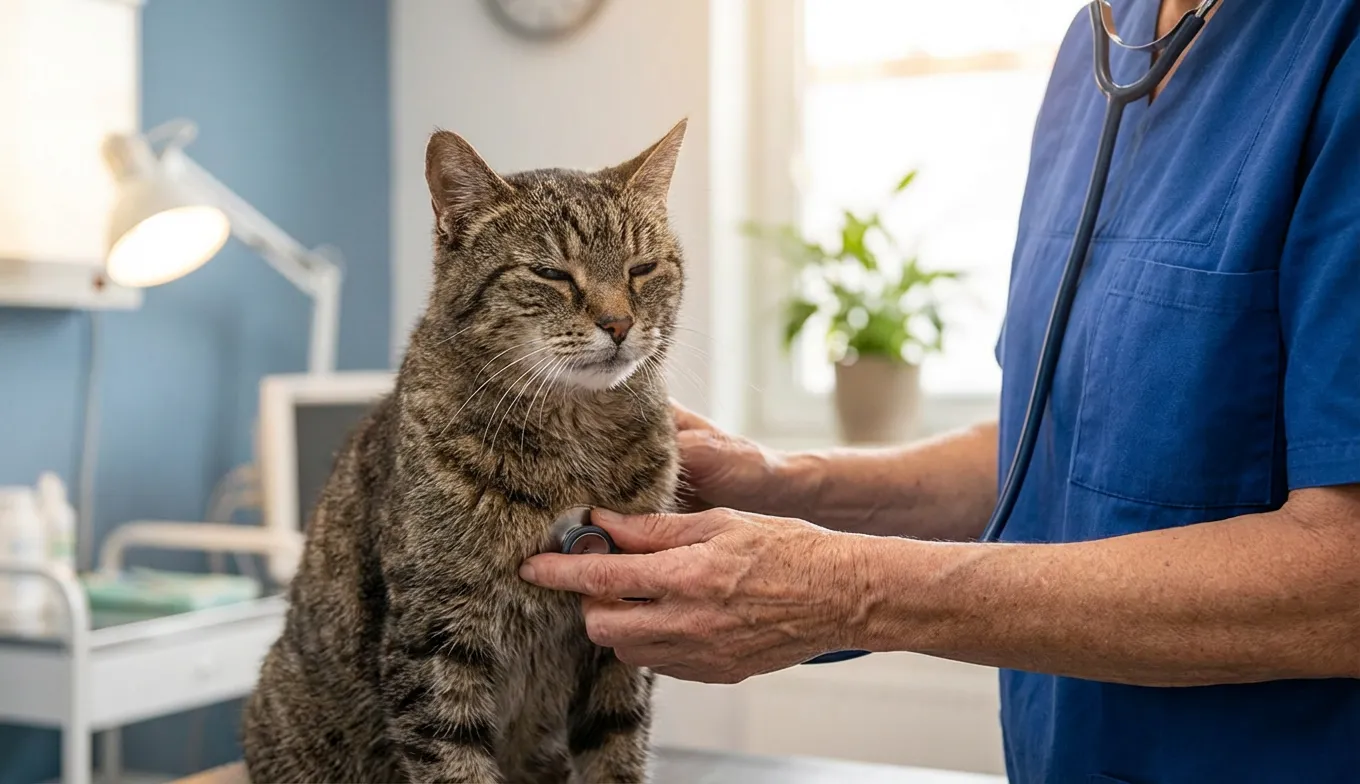
There is a subtle, bittersweet moment every cat owner eventually experiences. You’re watching your feline companion sleep in that patch of afternoon sun, just as they have for over a decade, and you notice the changes. Maybe it’s the dusting of gray fur around their muzzle, the slightly slower way they stretch after a nap, or the hesitation before jumping onto the high shelf they used to scale effortlessly. It’s the realization that your vibrant, energetic kitten has quietly transitioned into their golden years. This shift brings a profound deepen of your bond, but it also brings a new set of responsibilities regarding senior cat health.
Acknowledging that your cat is aging can feel heavy, but it shouldn't be a source of fear. Instead, think of it as entering a new chapter where your role evolves from playmate to guardian of their comfort. Proactive care is the greatest gift you can offer during this stage. Understanding the nuances of aging cat care isn't just about extending their lifespan; it’s about ensuring their "healthspan"—the quality of those remaining years. By prioritizing regular veterinary visits and understanding the unique needs of an elderly feline, you are honoring the lifetime of unconditional love they have given you.
Defining "Senior": When Does a Cat Officially Age?
One of the most common questions veterinarians hear is, "Is my cat actually old?" Unlike dogs, whose aging process varies wildly by breed size, cats tend to follow a more uniform timeline, though individual genetics play a huge role.
Generally, veterinary professionals classify cats into these life stages:
- Mature/Middle-aged: 7 to 10 years
- Senior: 11 to 14 years
- Geriatric: 15 years and older
It is often surprising to realize that a 10-year-old cat is roughly equivalent to a 56-year-old human. By the time they reach 15, they are comparable to a human in their mid-70s. When we frame it this way, it becomes much easier to understand why elderly feline wellness requires a different approach than kitten care. Just as a human in their 70s needs more frequent medical screenings than a teenager, your senior cat requires vigilant monitoring to catch subtle shifts in their health before they become crises.
However, age is not a disease. It is simply a life stage. Many cats live vibrant, happy lives well into their late teens and early twenties. The secret often lies in early detection and a partnership between you and your veterinarian.
The Silent Sufferers: Why Regular Checkups are Non-Negotiable
Cats are masters of disguise. In the wild, showing weakness or pain makes a predator a target, so domestic cats have retained an evolutionary instinct to hide illness. By the time a cat is visibly showing symptoms—like stopping eating, hiding constantly, or crying out—the condition is often advanced.
This is why the standard "once a year" vet visit is often insufficient for senior cats. Most veterinarians recommend semi-annual exams (every six months) for cats over the age of ten. Six months in a cat's life is roughly equivalent to two years for a human. A lot can change in that time.
What Happens During a Senior Wellness Exam?
A comprehensive senior checkup goes far beyond a quick listen to the heart. Your veterinarian acts as a detective, looking for clues that your cat is masking. Here is what typically happens:
- Detailed History Taking: The vet will ask about changes in water consumption, appetite, litter box habits, and mobility. Small details, like hesitation on stairs, are crucial.
- Physical Palpation: They will feel for lumps, bumps, changes in organ size, and muscle wasting (sarcopenia), which is common in older cats.
- Blood Pressure Check: Hypertension is a "silent killer" in cats, often linked to kidney disease or hyperthyroidism, and can lead to blindness if untreated.
- Blood Work and Urinalysis: This is the gold standard of senior cat health. A Complete Blood Count (CBC) and chemistry panel can reveal the function of the kidneys, liver, and thyroid long before physical symptoms appear.
Many pet parents tell us that the peace of mind gained from a "clean bill of health" is worth every penny. Conversely, catching a condition like Chronic Kidney Disease (CKD) in Stage 1 or 2 allows for dietary management that can add years to a cat's life, whereas catching it in Stage 4 offers far fewer options.
The "Big Three" of Senior Cat Health
While every cat is unique, there are three conditions that disproportionately affect the senior demographic. Being aware of these can help you spot the earliest warning signs.
1. Chronic Kidney Disease (CKD)
The kidneys act as the body's filtration system. Over time, this system can wear down. Studies suggest that 1 in 3 cats will develop kidney disease in their lifetime, with the risk increasing dramatically with age.- The Signs: Increased thirst (polydipsia), larger clumps in the litter box (polyuria), weight loss, and a dull coat.
- The Hope: While CKD is not curable, it is highly manageable. Special diets, hydration therapy, and medications can maintain a high quality of life for a long time.
2. Hyperthyroidism
This condition occurs when the thyroid gland overproduces hormones, sending the cat’s metabolism into overdrive.- The Signs: A ravenous appetite combined with weight loss, restlessness, vocalization (especially at night), and sometimes vomiting.
- The Hope: This is one of the most treatable conditions. Options range from daily medication and special iodine-restricted diets to curative radioactive iodine therapy.
3. Arthritis and Mobility Issues
This is perhaps the most underdiagnosed issue in aging cat care. Because cats don't limp like dogs do, owners often assume their cat is just "slowing down." In reality, the cat may be in significant pain.- The Signs: Hesitating before jumping, pulling themselves up with front claws rather than pushing off with back legs, missing the litter box (because the sides are too high), and irritability when touched.
- The Hope: Joint supplements, environmental modifications (like ramps), and new pain management medications specifically designed for cats (like monoclonal antibody injections) have revolutionized arthritis care.
Adapting Your Home for an Aging Feline
Medical care is only half the equation. The other half is environmental. As our pets age, their world shrinks slightly, and it is our job to make that world as comfortable and accessible as possible.
Imagine living in a house where the bathroom is behind a hurdle you have to jump over, and your bed is on top of a bunk you can no longer climb. That is the reality for many senior cats living with undiagnosed arthritis.
Creating a Senior-Friendly Sanctuary
- Litter Box Logistics: Swap out high-sided boxes for low-entry alternatives. If you have a multi-story home, ensure there is a litter box on every floor so your cat doesn't have to navigate stairs with a full bladder.
- The "Elevator" System: If your cat loves looking out the window or sleeping on the bed, provide pet stairs or ramps. Arrange furniture to create stepping stones so they can reach their favorite perches without a vertical leap.
- Warmth and Comfort: Older cats have less muscle mass and slower metabolisms, making them more prone to feeling cold. Heated beds (pet-safe ones) or thermal blankets placed in sunny spots can provide immense relief for stiff joints.
- Night Lights: Just like humans, cats can experience vision loss and confusion at night. Plugging in a few nightlights near food, water, and litter boxes can help them navigate safely and reduce anxiety.
These small adjustments are acts of love. They preserve your cat's dignity and independence, which is vital for their mental health.
The Emotional Landscape of Caring for a Senior
Caring for an older animal is an emotional journey. There is a profound tenderness in nursing a senior pet—cleaning their face when they can no longer groom themselves perfectly, or sitting quietly with them because they prefer cuddling to chasing toys.
It is natural to feel a sense of anticipatory grief during this time. You are hyper-aware of the passage of time. However, dwelling on the inevitable can rob you of the joy of the present. Focus on the "now." Does your cat seem happy today? Did they purr when you scratched their chin? Did they enjoy their breakfast? If the answer is yes, then today is a good day.
During these reflective moments, many pet parents find themselves wanting to capture the essence of their companion. We take thousands of photos on our phones, but sometimes we crave something more tangible—something that captures the specific curve of their tail or the wisdom in their eyes.
This is where the intersection of art and memory becomes so powerful. Many pet owners choose to celebrate their cat's life while they are still here to enjoy it. Commissioning a custom piece, such as the museum-quality figurines created by PawSculpt, allows you to preserve the physical presence of your cat in a way a photograph cannot. Because PawSculpt uses advanced 3D technology combined with the artistry of master sculptors, they can capture the unique "soul" of your pet—that specific way they sit or the distinctive markings on their face. It’s a celebration of their life, a testament to the bond you share, and a beautiful way to honor their senior years.
Nutrition and Weight Management: The Balancing Act
As cats age, their nutritional needs shift, but not always in the way people expect. There is a misconception that all senior cats need "low protein" diets to protect their kidneys. However, unless your cat has diagnosed kidney disease, restricting protein can actually be harmful.
Older cats are prone to sarcopenia (muscle loss). They often need higher quality protein to maintain their muscle mass. However, they also need food that is highly digestible because their digestive systems aren't as efficient as they once were.
The Obesity Paradox
In the "mature" stage (7-10 years), cats are prone to obesity as their metabolism slows. Being overweight puts tremendous strain on aging joints and increases the risk of diabetes. Weight loss is crucial here.The Frailty Danger
Conversely, in the "geriatric" stage (15+), the struggle is often keeping weight on. A cat that is too thin has no reserves to fight off illness.- Elevate the Bowl: Raising food and water bowls slightly can make eating more comfortable for cats with neck or back arthritis.
- Add Hydration: Senior cats are notoriously dehydrated. Incorporating wet food, adding water to kibble, or using a fountain can protect kidney function.
- Warm the Food: An older cat’s sense of smell may diminish, leading to a lack of appetite. Warming wet food slightly (to mouse body temperature) releases aromas that can entice them to eat.
- Consult Your Vet: Never switch your senior cat’s diet without consulting your veterinarian, especially if they have underlying health conditions.
Cognitive Dysfunction: The "Dementia" of the Cat World
We talk about physical health often, but mental health is a critical component of elderly feline wellness. Feline Cognitive Dysfunction Syndrome (CDS) is similar to Alzheimer’s disease in humans. It affects a significant percentage of cats aged 11-14, and an even higher percentage of those over 15.
Signs of CDS (often referred to by the acronym DISHA):
- Disorientation: Getting "lost" in corners or staring at walls.
- Interactions: Changes in how they interact with you (becoming clingy or distant).
- Sleep-Wake Cycles: Sleeping all day and wandering/yowling at night.
- House Soiling: Forgetting where the litter box is.
- Activity: Aimless wandering or reduced interest in everything.
If you notice these signs, do not assume it is just "old age." While CDS isn't curable, it can be managed. Diets rich in antioxidants, environmental enrichment (puzzle toys), and certain medications can slow the progression and improve cognitive function.
Keeping your cat’s brain active is just as important as keeping their body active. Even a senior cat can enjoy a gentle game of "catch the feather" or watching "cat TV" (a bird feeder placed outside a window).
Dental Health: The Gateway to Systemic Health
One of the most overlooked aspects of senior cat health is the mouth. By age three, most cats have some form of periodontal disease. By age 12, it can be severe.
Dental disease is not just about bad breath. It is a source of chronic pain and chronic inflammation. Bacteria from infected gums can enter the bloodstream and damage the heart, liver, and kidneys—organs that are already vulnerable in senior cats.
Many owners fear putting an older cat under anesthesia for a dental cleaning. This is a valid concern, but with modern veterinary medicine, the risks are significantly managed. Pre-anesthetic blood work, IV fluids, and dedicated monitoring make dental procedures much safer than they used to be. The transformation in a senior cat after a painful tooth is removed can be miraculous. We often hear owners say, "He’s acting like a kitten again!" simply because the chronic pain is gone.
The Role of Palliative Care and Quality of Life
As we navigate the twilight years of our pets, we eventually face discussions about palliative care. This isn't about giving up; it's about shifting the goal from "cure" to "comfort."
Palliative care focuses on pain management, hydration, nutrition, and happiness. It asks the question: What does my cat love, and can they still do it?
Veterinarians often suggest using a "Quality of Life Scale" (like the HHHHHMM scale) to objectively assess how your cat is doing. It tracks Hurt, Hunger, Hydration, Hygiene, Happiness, Mobility, and More good days than bad.
This stage of life requires immense bravery from the owner. It requires you to be their advocate, ensuring they are not suffering in silence. It is also a time to cherish the quiet moments. The bond you share now is stripped of all superficiality. It is pure trust.
For those who want to ensure their pet’s legacy endures beyond these final chapters, creating a physical remembrance can be deeply healing. Whether it’s a paw print in clay, a locket of fur, or a custom sculpture, these items become touchstones of memory. Companies like PawSculpt specialize in this delicate work. Their artisans understand that they aren't just sculpting resin; they are sculpting memories. With a lifetime guarantee and unlimited revisions, they ensure that the figurine isn't finished until it perfectly reflects the spirit of your beloved companion. It’s a way to keep a piece of them with you, sitting on your desk or shelf, long after they have crossed the rainbow bridge.
Financial Planning for the Senior Years
It is an unfortunate reality that senior pet care costs more. Between more frequent exams, blood panels, specialized diets, and medications, the bills can add up.
Strategies to manage costs:
- Pet Insurance: If you enrolled your cat when they were young, this is when the policy pays off. If not, look into "accident and illness" plans, though pre-existing conditions won't be covered.
- Wellness Plans: Many clinics offer monthly payment plans that bundle exams, vaccines, and annual blood work into a manageable monthly fee.
- Savings Fund: Start a "senior fund" early. Setting aside a small amount each month can create a buffer for emergency visits or dental procedures.
- CareCredit/Scratchpay: These are credit options specifically for healthcare expenses (human and veterinary) that often offer interest-free periods.
Do not let finances be the barrier to a conversation. If you are struggling, talk to your vet. They can often help you prioritize which tests or treatments are essential and which can be deferred or substituted for lower-cost alternatives.
A New Kind of Adventure
Owning a senior cat is a privilege. There is a deep, quiet understanding in the eyes of an old cat that a kitten simply hasn't earned yet. They know your routine, they know your comfort, and they trust you implicitly with their vulnerability.
While the checklist for senior cat health may seem daunting—the blood work, the diet changes, the environmental tweaks—it is all manageable when taken one step at a time. You don't have to be perfect; you just have to be present.
Pay attention to the small things. Celebrate the good days. Modify your home to welcome their changing needs. And most importantly, keep that appointment for their six-month checkup. It is the single most effective tool you have to buy more time—more purrs, more head-butts, and more slow blinks of affection.
Your senior cat has spent a lifetime being your best friend. Now, in their golden years, you get the honor of being theirs. Whether you choose to memorialize this time with a beautiful tribute from PawSculpt or simply by spending an extra ten minutes cuddling them in the sun, know that your love is the best medicine they could ever receive. Embrace this season of life; it has a beauty all its own.
Celebrate Your Pet's Unique Personality
Every pet has quirks and characteristics that make them one-of-a-kind. A custom PawSculpt figurine captures those details—the way they tilt their head, their favorite pose, the spark in their eyes.
Free instant AI preview • 3D artist preview within 7 days • 5 free revisions