How to Customize a Pug Figurine's Pose When a Flat-Faced Sculpt Goes Sideways
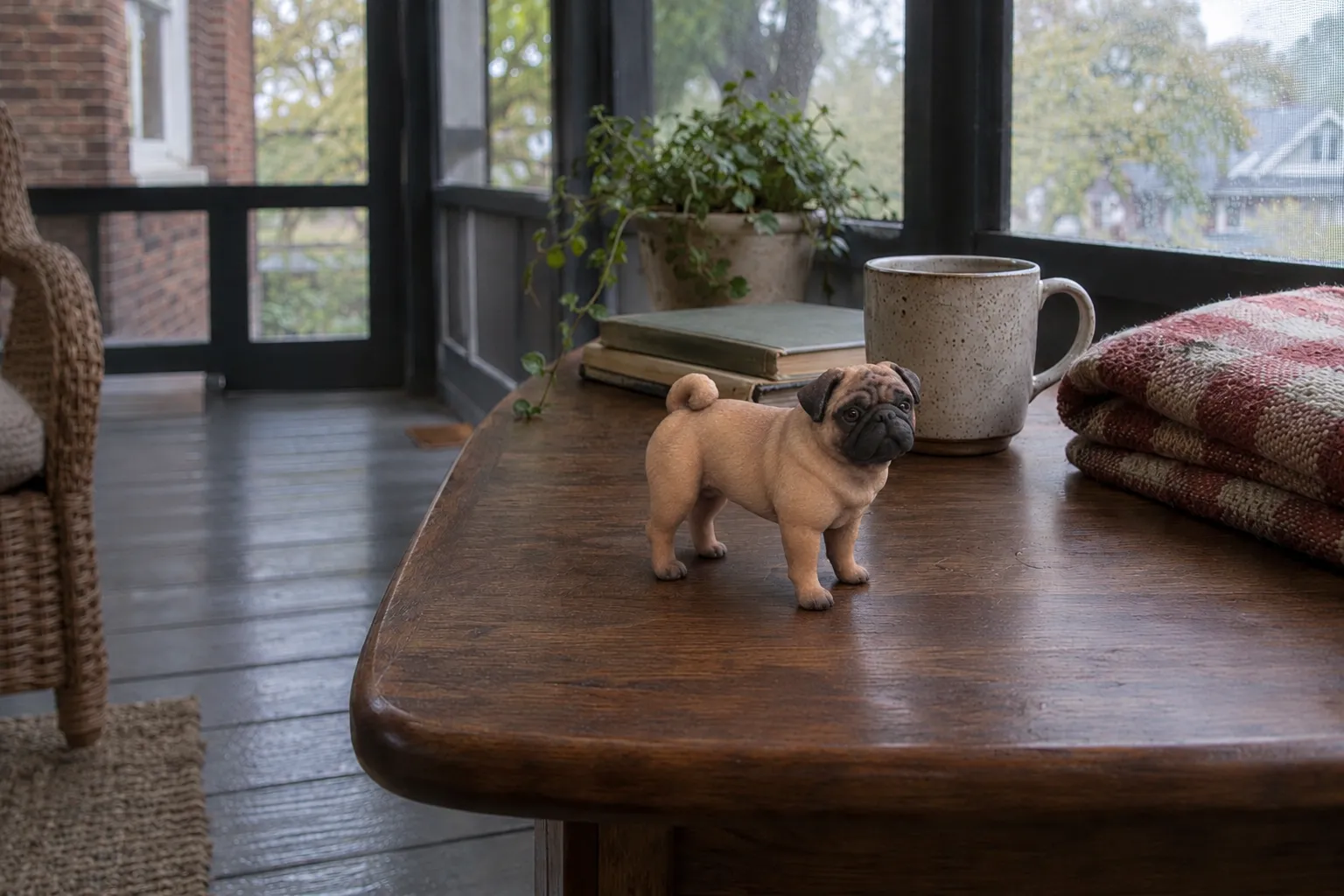
Up in the attic last winter, you found the old rope toy — frayed, flattened on one end, still carrying that warm biscuit-and-grass smell your pug left on everything he touched. Today you're staring at a sculpt preview on your screen, and something about the face feels off, like the pose forgot who he was.
A custom pug figurine pose goes sideways most often because a brachycephalic (flat-faced) breed carries its character in the brow, the head-tilt, and the set of the ears — not the muzzle. The fix is to choose a pose that leads with those features and to use the artist preview to adjust them before anything is printed.
Quick Takeaways
- Flat-faced dogs read as "themselves" through the wrinkled brow, eye spacing, and head-tilt — so pick a pose that puts those front and center.
- A sitting-upright pose with a gentle head-tilt tends to hold a pug's personality better than a straight-ahead stare.
- The artist preview is your decision point: PawSculpt includes 5 revisions, and nothing prints until you approve.
- A figurine is one way to keep a presence close; photographs, written memories, and other keepsakes all belong in the same sacred space.
- Give the artist clear reference photos from several angles so the sculpt captures the real weight of your dog's expression.
Why Flat-Faced Sculpts Drift Off-Model
Every dog hides its spirit somewhere specific. For a long-nosed breed, a lot of that lives in the silhouette of the muzzle. For a brachycephalic dog like a pug, the muzzle is short, so the recognition work shifts upward and inward — to the brow folds, the roundness of the eyes, and the small tilt of the head that says I'm listening to you.
When a sculpt feels wrong, it's usually not that the artist missed. It's that the chosen pose asked the wrong part of the face to do the heavy lifting. A dead-on, chin-level pose flattens a pug's dimensional features. A slight turn and tilt, by contrast, lets the brow catch light and the folds read as folds instead of flat lines.
Think of it as a cause-and-effect chain:
- The pose decides which features the viewer sees first.
- On a flat-faced dog, the brow and head-tilt carry the most identity.
- If the pose hides those, the sculpt reads as "a pug" instead of "your pug."
Fixing the pose fixes the recognition. That's the whole game.
The Three Features That Carry a Pug's Presence
- The wrinkled brow. Those folds above the eyes are where a pug looks worried, curious, or deeply unbothered. A pose that angles the head slightly down lets the folds stack naturally.
- Eye spacing and roundness. Pugs have wide-set, forward eyes. A three-quarter turn keeps both eyes visible while adding depth.
- The head-tilt. This is the single most "alive" gesture a flat-faced dog makes. A gentle tilt turns a generic sit into a specific moment.
How to Choose a Pose That Actually Looks Like Him
Start by deciding what moment you want to keep, not just what pose looks tidy. A figurine is a small ritual object — it holds a gesture you recognize from across a room. So the question isn't "what's a good pose," it's "what did he do?"
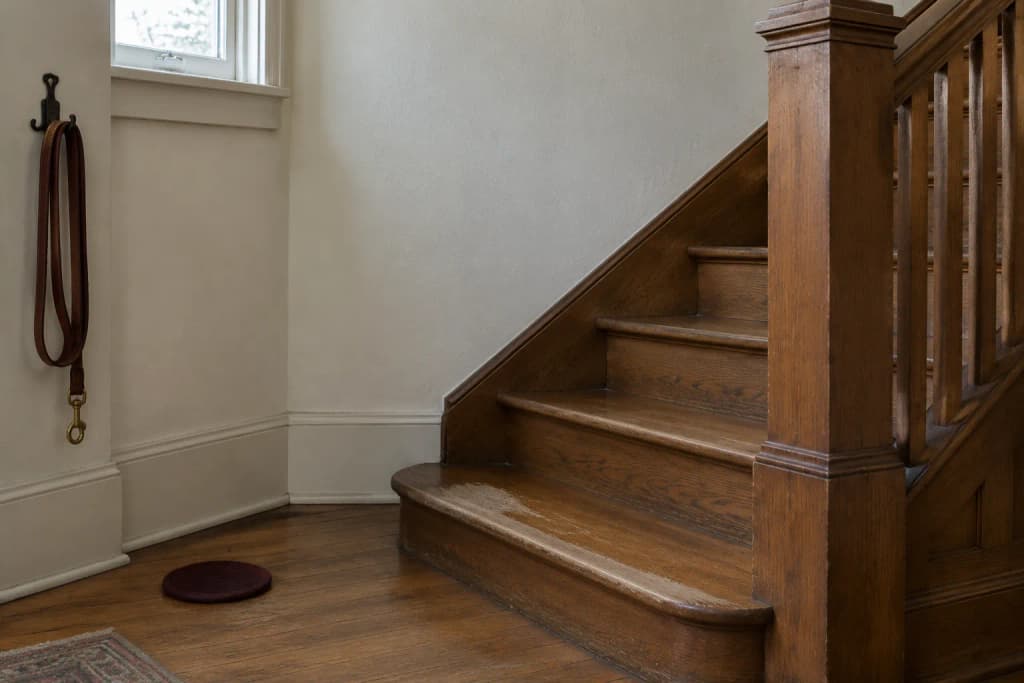
Here's a practical comparison of common pug poses and how they tend to handle the flat-faced challenge:
| Pose | What it emphasizes | Flat-faced risk | Best when |
|---|---|---|---|
| Sitting upright, head-tilt | Brow, eyes, ears, personality | Low | You want the most recognizable "him" |
| Lying down, chin on paws | Folds, relaxed brow | Medium (eyes can shrink) | He was a world-class napper |
| Standing alert, three-quarter turn | Full body, stance | Medium (muzzle flattens if head faces front) | His posture was part of his character |
| Straight-on, chin level | Symmetry | High (dimensional features flatten) | Rarely the strongest choice |
The sitting-upright-with-a-tilt pose is a reliable default for a reason: it keeps all three identity features working at once. If your dog had a signature posture — a particular lean, a specific way he planted his back legs — bring that to the artist. Specific beats generic every time.
Gather References That Tell the Truth
The sculpt can only be as honest as your photos. For a flat-faced dog, give the artist:
- A clear three-quarter head shot where both eyes and the brow folds are visible.
- A straight profile so the artist can judge how far the muzzle projects (not much, on a pug — but the exact amount matters).
- A full-body shot in a natural stance.
- At least one photo in even, soft light. Harsh overhead light erases the very folds that make a pug a pug.
If you have a shot that captures the look — the one where you can almost hear him breathing through his nose — include it and say so. That's the emotional anchor the artist works toward.
The Workflow: Where You Get to Say "That's Him"
Understanding how a PawSculpt figurine is made tells you exactly where your voice matters. Here's the sequence, start to finish:
- Reference review. Your photographs are reviewed so the artist understands the dog's structure and expression.
- Digital sculpting. An artist digitally sculpts the portrait — this is an artistic interpretation, a sculpted portrait rather than a photocopy of a single frame.
- Your preview and approval. You confirm the artist preview before anything is printed. This is the moment to adjust the head-tilt, soften or deepen the brow, fix the ear set.
- Full-color printing. Once you approve, the model is printed in full color on a Mimaki 3DUJ-553. The equipment supports more than 10 million colors, which is what lets a fawn pug's coat shift from pale cream to that darker mask around the eyes.
- Support removal. The printing supports are removed.
- Surface inspection. The surface is inspected.
- Protective coat. A transparent protective coat is applied.
There's no hand painting in this process, and no SLA, FDM, or other single-color method — the color lives in the print itself. That matters for a pug, because the subtle gradient of a fawn coat and the dark brow mask are part of what makes the face readable.
The Preview Is Your Leverage — Use It
The first artist preview is typically delivered within 7 days after your complete references are in and the order enters the IN_DESIGN stage. PawSculpt includes 5 revisions, which is plenty of room to get a flat-faced sculpt right.
When you open the preview, don't just ask "is this good?" Ask specific questions:
- Does the head-tilt match the angle in my favorite photo?
- Are the brow folds reading as depth, or flattening out?
- Is the eye spacing wide enough? Pug eyes sit forward and apart.
- Does the muzzle project the right (small) amount — not too long, not erased?
Describe what you see in plain words. "The tilt is a touch too far left" is more useful than "something's off." The clearer your note, the closer the next pass lands.
A Day-in-the-Life Scene
Imagine a gray Tuesday morning. Rain is tapping the porch where he used to sit while you drank your coffee, and the air coming through the screen door smells like wet pavement and the faint grass-and-biscuit scent that never fully left his old blanket. You pass the shelf on your way out, and there he is — sitting upright, head tilted, brow furrowed at some question only he understood. You tap the little chewed rope toy sculpted beside him, say "be good," and go. For a second the room feels like he's still in it, which is the whole point.
That's what a well-chosen pose does. It doesn't replace him. It keeps a gesture you can greet.
Adding Details Without Crowding the Spirit
Small additions can deepen the portrait — but each one should earn its place. On PawSculpt, a few relevant options:
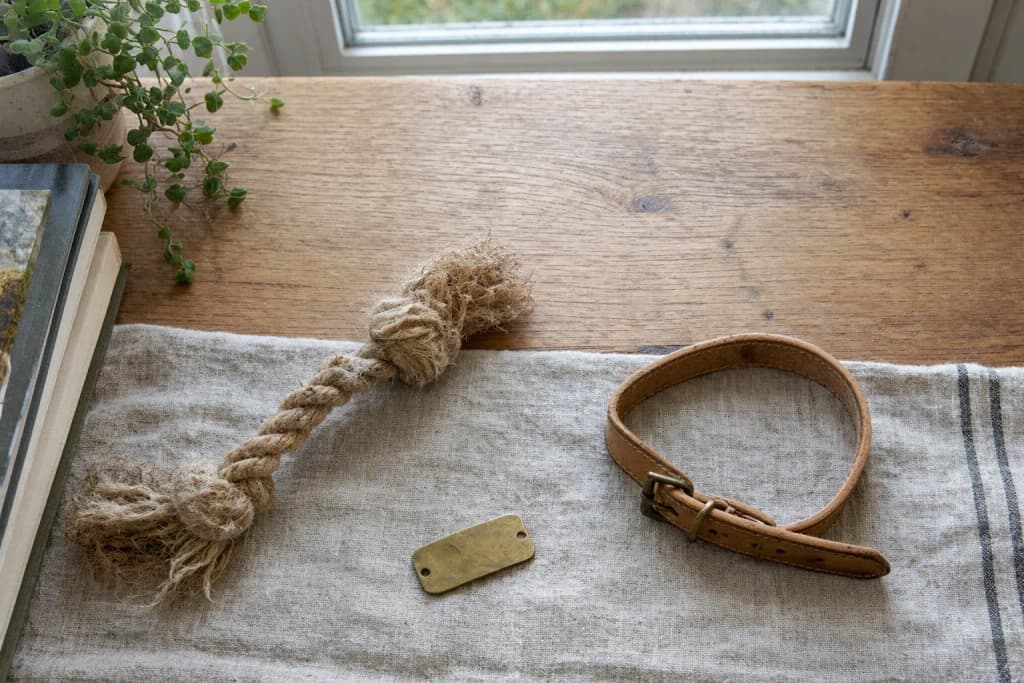
- A nameplate ($9) with his name, so the piece reads as his and not just "a pug."
- An extra toy ($30) — the frayed rope, the squeaky ball he mugged every evening. A familiar object anchors the memory as much as the face does.
- A base — a diamond glass base ($29) or a black crystal base ($39) — to give the figurine a small, intentional place to live.
- A second pet ($179) if he had a companion, or an extra pet (available on 4-inch and larger figurines, $199). Two dogs who shared a bed can share a shelf.
Resist the urge to add everything. The strongest memorial pieces are usually quiet. One pose, one toy, one name — that's often enough to hold the bond.
A Note on Size and Price
Figurines run from 2.5 to 6 inches, and the size you choose affects how much detail the brow and folds can show — larger sizes give those flat-faced features more room to breathe. Here's the single-figurine pricing, exactly as listed:
| Size | Price (USD) |
|---|---|
| 2.5-inch | $429 |
| 3-inch | $489 |
| 4-inch | $589 |
| 5-inch | $789 |
| 6-inch | $999 |
Add-ons are priced separately (nameplate $9, extra toy $30, rush $29, and the bases and companion options above). For a detailed, dimensional face like a pug's, stepping up a size is a reasonable way to give the sculpt more room to carry expression — though a smaller figure still holds the likeness well when the pose is chosen with care.
When the Preview Still Isn't Right
Sometimes two or three passes go by and it's close but not him. That's normal, and it's exactly why the revision rounds exist. A few things that commonly solve a stubborn flat-faced sculpt:
- If the face reads flat, then ask for a stronger head-tilt or a slightly lower chin to let the brow folds stack.
- If he looks like a stranger, then check whether the eye spacing shrank — widening it often restores recognition instantly.
- If the whole piece feels stiff, then your reference photos may all be front-on. Add a three-quarter or candid shot and the artist has more to work with.
And if, before the artist begins modeling, you decide the timing isn't right, the refund rule is simple: a full refund is available before your order enters the server-recorded IN_DESIGN status. The 40% deposit becomes non-refundable once the artist starts modeling — because that's when the real sculpting work begins. Knowing this boundary lets you commit when you're ready, not before.
A Figurine Is One Keepsake Among Many
A sculpted portrait is a powerful way to keep a presence close, but it isn't the only way, and it doesn't have to stand alone. Photographs hold the exact light of a specific afternoon. A written page — the story of how he came home, the sound of his snore, the smell of his ears after a bath — carries things no object can. A figurine does something different: it gives the bond a physical place in the room, a small sacred space you walk past and acknowledge.
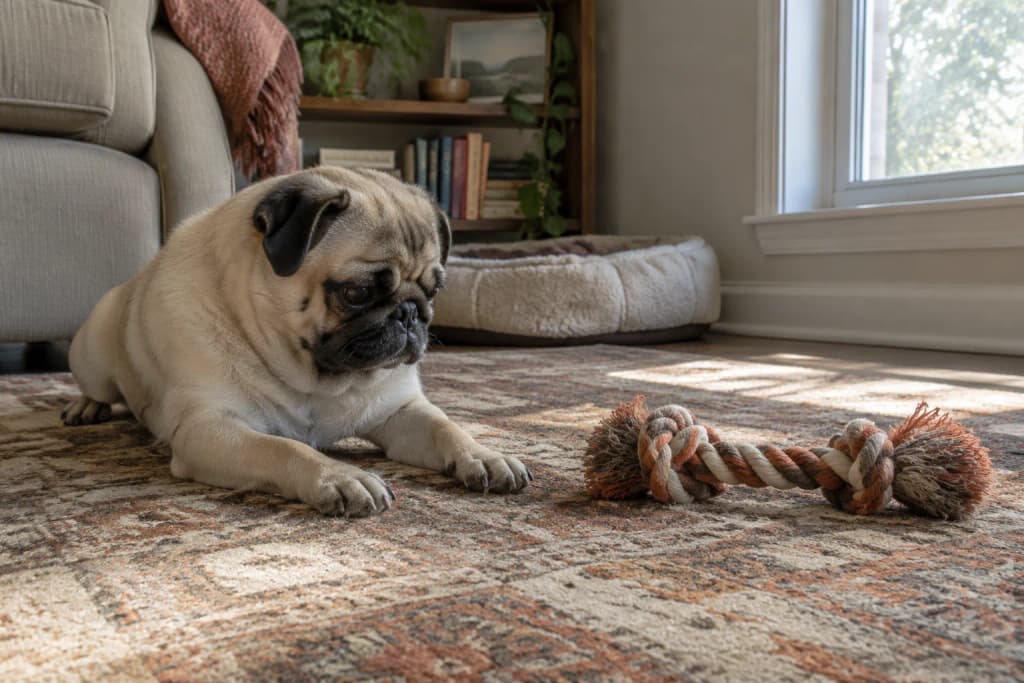
Think of these as layers of the same legacy rather than competing choices. The figurine is the anchor; the photos and words are the context around it. Together they make a home that still remembers.
Planning Ahead for the Holidays
If you want the piece in hand for Christmas 2026, the order-by dates matter. For US delivery, the last order-by date is November 10, 2026; for international delivery, it's November 3, 2026. On either date, confirm your preview and pay the balance promptly so the production clock can start.
Delivery runs 27–40 days after final payment in the US and 33–47 days internationally. There's no separate shipping fee added at checkout for worldwide delivery, though international customers remain responsible for local customs duties, taxes, or import fees.
Miss the cutoff? Orders placed after it are delivered in January — and because the artist preview arrives within about 7 days of entering IN_DESIGN, you can share that preview image as the gift itself while the physical piece finishes. A preview under the tree is still a meaningful reveal.
Frequently Asked Questions
Why does my pug figurine preview look generic?
Usually the pose hides the features that carry a pug's identity. A gentle head-tilt and lower chin let the brow folds and wide-set eyes read clearly. Use a revision round to adjust it.
What is the best pose for a flat-faced dog figurine?
A sitting-upright pose with a gentle head-tilt tends to work best, because it keeps the brow, eyes, and ears all visible and dimensional instead of flattening them.
How many revisions can I request before printing?
PawSculpt includes 5 revisions. You confirm the artist preview before anything is printed, so you can adjust the tilt, brow, eyes, and ear set until it looks like your dog.
How is the figurine colored if it isn't hand painted?
The color is printed into the resin on a Mimaki 3DUJ-553, equipment that supports more than 10 million colors. There's no hand painting involved in the process.
Can I get a refund if I change my mind?
Yes, a full refund is available before your order enters the server-recorded IN_DESIGN status. Once the artist starts modeling, the 40% deposit becomes non-refundable.
What photos should I send for a pug?
Send a three-quarter head shot, a clean profile, a full-body shot, and at least one in soft, even light so the brow folds stay visible rather than washed out.
Ready to Get the Pose Right?
If you know the moment you want to keep — the head-tilt, the furrowed brow, the way he sat waiting for you — the next step is simple: gather a few honest photos and let an artist build the sculpt you approve before it ever prints. You can start a custom pet sculpture when you're ready, read through the details on the FAQ page, or reach out with questions about posing a flat-faced breed. Take your time choosing the pose. It's the part that decides whether the shelf holds a pug — or holds him.