
The Last Collar: Framing the Figurine Inside Their ID Tags
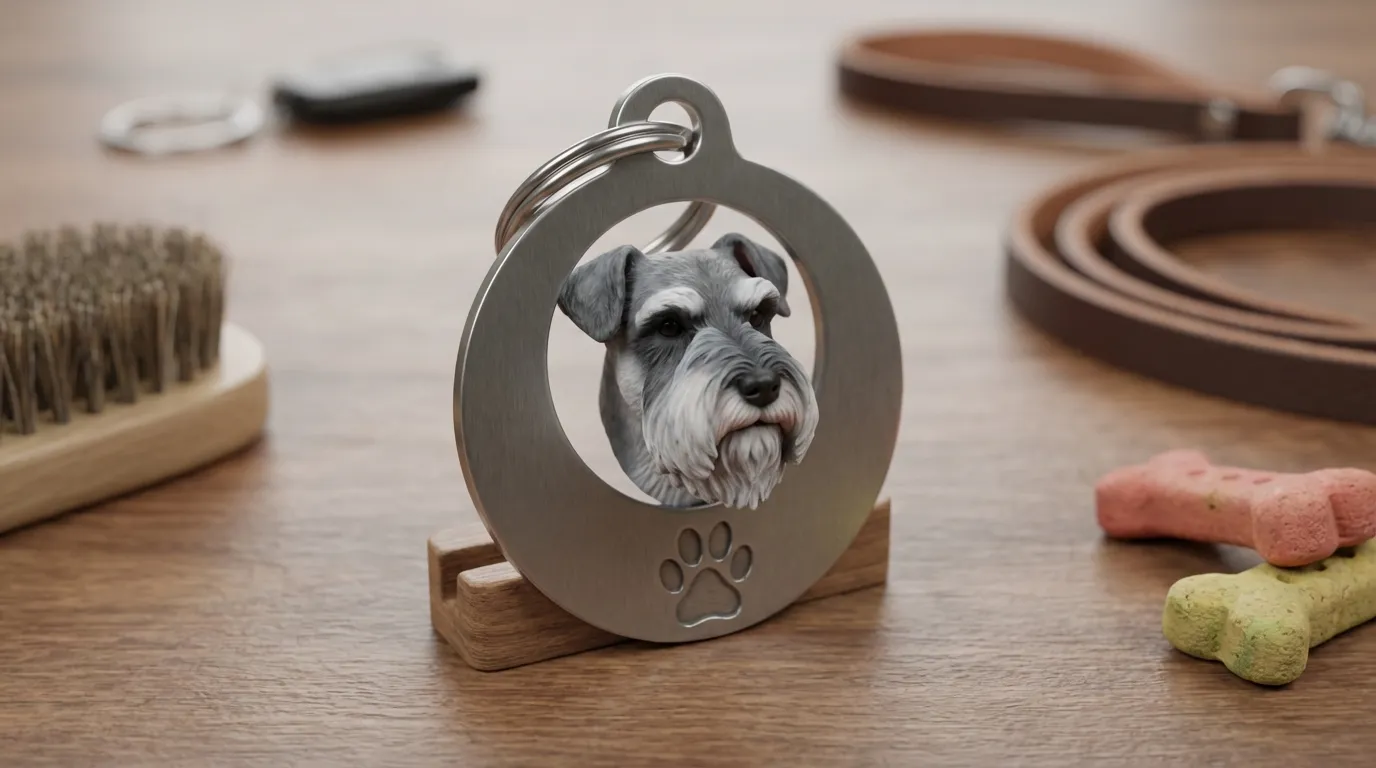
A 2023 survey on pet bereavement found that nearly 62% of owners keep their dog’s collar in a drawer, unseen, for years after the loss, simply because they don't know how to display it without feeling overwhelmed. Standing in the garage, holding that worn strip of leather near the workbench, you realize it isn't just an accessory—it is the physical circumference of their life. The silence isn't what hurts the most; it’s the absence of that specific, metallic jingle that used to announce they were coming to find you.
Quick Takeaways
- Don't hide the collar — moving it from a drawer to a display transforms grief into a tribute.
- Use the collar as a frame — the circular shape naturally creates a perfect border for a miniature figurine.
- Preserve the "patina" — scratches on dog tags and wear on leather are memories, not imperfections to be fixed.
- Create a focal point — a PawSculpt custom figurine placed inside the collar creates a powerful "shrine" effect.
The Physics of Grief: Why We Keep the Collar
There is a specific weight to a dog collar. It’s heavier than it looks, burdened not just by metal tags, but by the thousands of walks, the sudden lunges after squirrels, and the quiet moments of resting a chin on your knee. When a pet passes, the collar becomes the most potent physical link to them. Unlike a bed or a bowl, the collar was on them. It holds their scent, the curve of their neck, and the history of their movement.
The mistake many pet owners make is treating the collar as a relic that must be preserved in darkness. We wrap it in tissue paper. We put it in a shoebox. We shove it to the back of the nightstand.
But this creates a "grief bomb." Every time you accidentally stumble upon that drawer, the pain hits you fresh because the object is frozen in the moment of loss. By taking the collar out and repurposing it into a pet memorial DIY project, you change the narrative. You stop hiding from the memory and start framing it.
"We don't keep their things because we can't let go. We keep them because their things are proof that the love was real."
The "Drawer Problem" and the Guilt of Relief
Before we discuss how to build this memorial, we need to talk about the feeling that often keeps that collar hidden. It's a complex emotion that few people admit to, but almost everyone feels: relief mixed with guilt.
If your Schnauzer or Golden Retriever battled a long illness, the end brought a cessation of their pain—and a cessation of your caretaking stress. You no longer have to wake up at 3 AM to carry them outside. You no longer have to track medications. When they pass, you feel a wave of relief that they are at peace, followed immediately by a crushing wave of guilt for feeling relieved.
This is normal. The relief doesn't mean you didn't love them; it means you loved them enough to suffer with them, and you are exhausted.
Hiding the collar is often a symptom of this guilt. We feel we don't "deserve" to display a happy memorial because we felt relief when they died. But creating a Last Collar Memorial is actually the antidote. It allows you to remember the vibrant, healthy years—the years that put the wear and tear on that leather—rather than just the final, difficult weeks.
The Concept: Framing the Figurine
The core idea of this memorial is simple but visually striking: You use the buckled collar to form a circle (or oval), and inside that negative space, you place a custom replica of your pet.
The collar acts as the frame. The tags hang down, grounding the piece. The figurine stands in the center, protected by the circle of the collar just as they were protected by you in life.
Why This Arrangement Works
Visually, this composition is powerful because of the scale. A standard medium-to-large dog collar, when buckled to the hole they actually used, creates a diameter of roughly 4 to 8 inches. This is the perfect stage for a 3D-printed figurine.If you simply place a figurine on a shelf next to a flat collar, they feel like two separate objects. When you place the figurine inside the loop, the objects interact. It looks as if the dog has just stepped out of the collar, or is standing guard within it.
"The collar isn't just leather and brass. It's the circle of safety you promised them every single day."
— The PawSculpt Team
The Centerpiece: Why Accuracy Matters
For this memorial to work, the figure inside the collar cannot be a generic "Schnauzer" or "Labrador" bought from a home goods store. The collar is hyper-specific to your dog—it has their teeth marks, their specific adjustment hole, their smell. The figure inside must match that level of specificity.
This is where full-color 3D printing changes the landscape of pet memorials. Unlike traditional hand-carved wood or mass-produced ceramics, modern technology allows for the replication of specific markings.
The Schnauzer Example
Let's look at a specific breed to understand why this matters. If you are memorializing a Schnauzer, a generic statue will give you the beard and the eyebrows. But it won't capture:- The specific distribution of "salt and pepper" coloring on the back.
- The way one ear might have flopped slightly more than the other.
- The specific pink spot on the nose.
At PawSculpt, we don't paint these details on. We use advanced 3D printers where the color is intrinsic to the resin material itself. We digitally sculpt the model based on your photos, then print it layer by layer in full color. This captures the texture of the fur and the soul in the eyes in a way that feels authentic enough to sit inside that real, worn collar.
Step-by-Step: Creating The Last Collar Memorial
This is a pet memorial DIY project that requires emotional bandwidth more than technical skill. Take your time. Do this on a day when you feel strong enough to handle the object.
Phase 1: Preparation and Cleaning
| Item | Purpose | Note |
|---|---|---|
| The Collar | The frame | Do not over-clean; preserve the scent if desired. |
| The Figurine | The centerpiece | Ensure it is sized to fit within the collar's diameter. |
| Shadow Box (Optional) | Dust protection | Deep enough to accommodate the collar's width. |
| Florist Wire | Structure | Invisible support to keep the collar circular. |
| Mild Soap/Water | Cleaning | Use sparingly on leather. |
The Cleaning Dilemma:
Most guides will tell you to scrub the collar. We disagree. Unless the collar is unsanitary, clean it minimally. The oil from their fur, the fraying on the stitching, and even the mud stains are part of the story. If you scrub it to look new, you erase the history.
For the dog tags, wipe them with a damp cloth but do not polish them. The scratches on the metal are the result of thousands of movements—running, scratching, shaking. Those scratches are the visual record of their activity.
Phase 2: Structural Integrity
Leather collars, especially old ones, tend to flop into an oval or flatten out when not on a neck. To make this a standing memorial, you need to reinforce the circle.
- Buckle the collar to the exact hole your pet used. This is crucial for emotional accuracy.
- Cut a length of heavy-gauge florist wire or a metal coat hanger.
- Shape the wire into a circle that fits snugly inside the collar.
- Tuck the wire behind the inner lining of the collar if possible, or use tiny dots of clear glue to tack the collar to the wire frame. This keeps the collar standing up as a perfect circle.
Phase 3: The Assembly
Place the collar on your chosen base. This could be a wooden plinth, a slate coaster, or the bottom of a shadow box.
Position the dog tags so they hang naturally at the bottom (6 o'clock position) or slightly to the side. They should touch the base, grounding the piece.
Place the figurine in the center. Do not glue the figurine down immediately. Move it around. Does it look better facing forward? Looking slightly to the side? The angle of the head should match the "energy" of the collar.
Display Options: Open Air vs. Shadow Box
How you display this tribute depends on your home environment and how tactile you want the memorial to be.
The Open Air "Touch" Method
Placing the collar and figurine directly on a mantle or bookshelf allows you to touch it. This is vital for many grieving owners. Being able to run your thumb over the leather or jingle the tags when you walk by can be a soothing ritual.- Pros: Tactile connection, no glare from glass.
- Cons: Dust accumulation, risk of being knocked over.
The Shadow Box "Shrine" Method
Mounting the collar inside a deep shadow box creates a museum-quality look. You can mount the collar to the backboard using discreet pins, with the figurine standing on the bottom ledge of the frame.- Pros: Protected from dust, looks like art, can include photos in the background.
- Cons: Creates a barrier between you and the object.
Counterintuitive Insight: If you have other pets, the Shadow Box is often safer. However, some owners report that their surviving dogs seem comforted by being able to sniff the memorial if it's left in the open air.
Dealing with the "Jingle" Triggers
We mentioned the silence in the garage earlier. The sound of ID tags hitting the buckle is one of the most distinct auditory memories pet owners have.
When you are assembling this memorial, the tags will jingle. Be prepared for this. It might trigger a sudden, sharp emotional response. This is known as a "sensory flashback."
Instead of fearing this, lean into it. Ring the tags intentionally. Acknowledge that the sound is now a memory, not a signal. Some owners even choose to record the sound of the tags one last time before sealing them in a shadow box, keeping the audio file on their phone as a digital companion to the physical object.
Why 3D Printing Fits the "Modern Memorial"
For decades, pet memorials were somber—heavy brass urns or dark wood boxes. They looked like death.
The trend is shifting toward "celebration of life." We want to see them as they were: running, sitting, tilting their head.
This is why PawSculpt uses full-color resin. The material has a slight translucency that mimics organic matter better than cold metal. It captures the light. When you place a full-color print inside the leather collar, the contrast between the organic leather and the vibrant resin creates a balance. It feels like a capture of life, not a marker of death.
According to the Association for Pet Loss and Bereavement (APLB), creating a ritual or a dedicated space for memorialization significantly aids in the processing of grief. It gives the griever a place to direct their love when the physical recipient is gone.
Shareable Highlights
"Grief is just love with nowhere to go. Give it a place to rest."
"The scratches on their ID tags aren't imperfections. They are the signature of a life fully lived."
Conclusion: The Final Buckle
When you finish setting up your memorial, you will have to buckle that collar one last time. It’s a heavy moment. It signifies that the collar will no longer be worn, but it also signifies that it will no longer be hidden.
By framing a likeness of your friend inside the circle of their collar, you are preserving the two things that mattered most: their unique appearance and the promise of safety you made to them. It’s a way to keep them in the center of your life, even when they are no longer walking by your side.
The silence in the house may remain, but the memory—framed in leather and love—speaks volumes.
Frequently Asked Questions
How do I clean my dog's collar for a memorial without ruining it?
Less is more. Use a microfiber cloth barely dampened with water and a tiny drop of mild soap. Wipe the surface gently. Do not soak the leather, as this can cause it to crack or shrink as it dries. Remember, the stains and wear patterns are part of the history. If the collar still smells like your pet, you may want to skip cleaning entirely to preserve that sensory connection.What size figurine fits inside a standard dog collar?
This depends on your dog's neck size. A standard medium dog collar (like for a Schnauzer or Beagle) typically forms a circle with a 4 to 6-inch diameter when buckled. We recommend a figurine that is slightly smaller than the diameter—usually around 3 to 4 inches tall—so it sits comfortably within the "frame" without looking cramped.Is it normal to feel guilty about putting the collar on display?
Absolutely. Taking the collar out of the drawer makes the loss feel "real" and permanent. It can also trigger feelings of guilt if you feel you are "moving on." Try to reframe the display not as moving on, but as carrying them forward. You are honoring their place in your home, not erasing it.Can PawSculpt recreate my dog's specific markings?
Yes. Unlike mass-produced statues, our process is entirely custom. We use full-color 3D printing technology. Our digital artists sculpt your pet from your photos, mapping every spot, patch, and unique coloring. The printer then creates the figurine with those colors embedded in the resin, ensuring your Schnauzer's specific beard color or your Shepherd's unique saddle markings are accurate.How can I stop the dog tags from tarnishing?
Brass and aluminum tags will naturally oxidize over time. If you want to maintain the current look, you can apply a very thin coat of clear museum wax or even clear nail polish to seal the metal. However, many people find the natural darkening (patina) of the tags adds to the antique, cherished feel of the memorial.Ready to Celebrate Your Pet?
Every pet has a story worth preserving. Whether you're honoring a beloved companion who's crossed the rainbow bridge or celebrating your furry friend's unique personality, a custom PawSculpt figurine captures those details that make your pet one-of-a-kind.
Free instant AI preview • 3D artist preview within 7 days • 5 free revisions