
7 Ways to Incorporate a Gecko Memorial into a Terrarium Setup (Without Disturbing the Ecosystem)
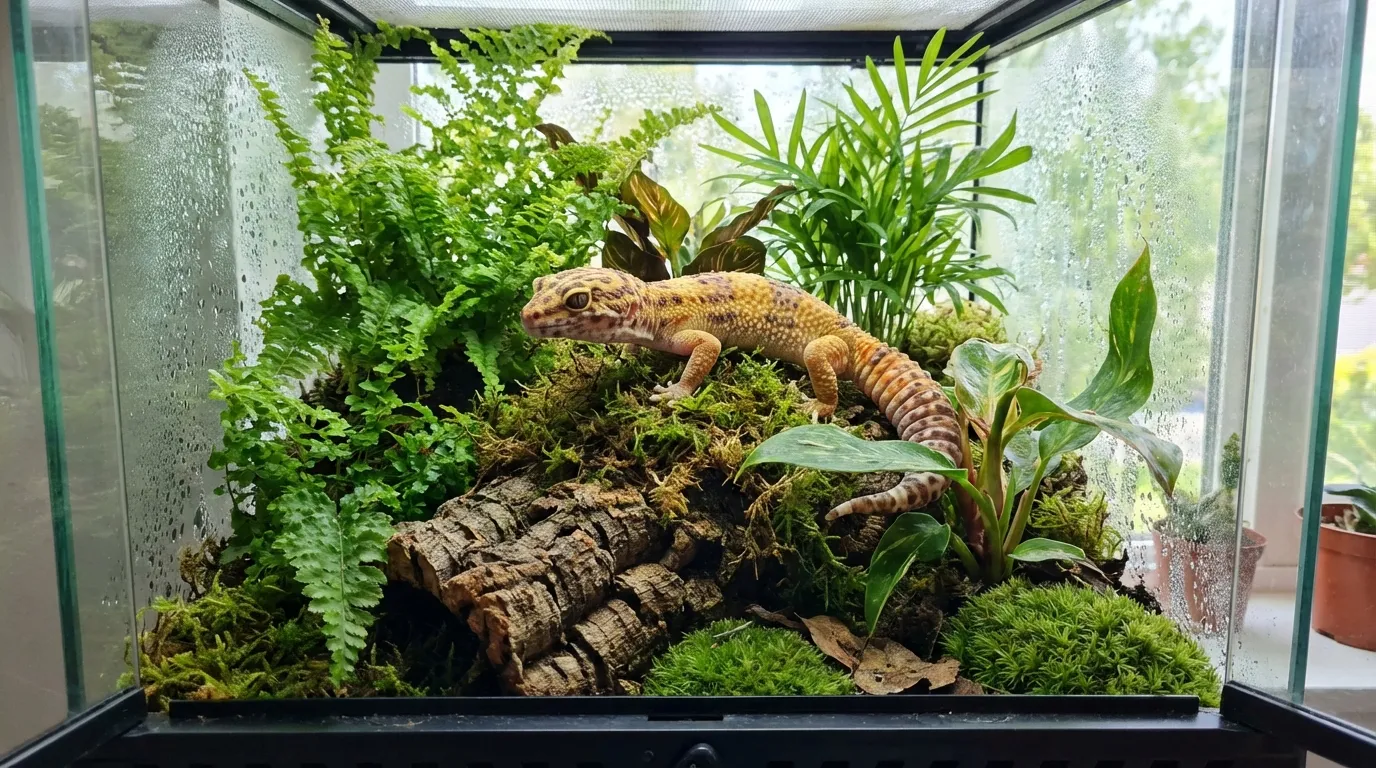
The heat lamp clicked off with that familiar metallic tink, plunging the garage into a sudden, heavy dimness, and for the first time in twelve years, there was no reason to reach for the spray bottle to mist the glass of the forty-gallon breeder tank sitting on the workbench.
Quick Takeaways
- Sanitize everything — Boil rocks and wood for 20 minutes before adding them to an established tank.
- Seal porous memorials — Use aquarium-safe epoxy on any non-natural items to prevent bacterial blooms.
- Respect the gradient — Place memorial items in the cool zone to avoid heat-related chemical leaching.
- Opt for a custom replica — A sealed, 3D-printed figurine is safer than organic keepsakes that might rot.
The Reality of Reptile Grief
Let’s get one thing straight immediately: grieving a reptile is weirdly isolating. When a dog dies, the neighbors bring lasagna. When a gecko dies, people ask, "Oh, are you getting another one?" as if you just broke a ceramic plate.
But you know the truth. You know the specific texture of their skin, the way they hunted crickets, and the exact spot they liked to sleep.
The hardest part isn't just the loss; it's the empty glass box in your living room. Dismantling a bioactive setup feels like erasing a world you built together. So, don’t. Instead of tearing it down, transform it.
This guide isn't about lighting a candle. It's about the practical engineering of integrating a memorial into a sensitive ecosystem without crashing the nitrogen cycle or introducing pathogens to any remaining tankmates.
1. The "Ghost" Hardscape Technique
Most people throw a memorial item right in the center of the tank. This is a mistake. It looks cluttered and disrupts the animal's pathing if you have other inhabitants.
Instead, use the "negative space" technique.
Rearrange your hardscape—the cork bark, the spider wood, the dragon stone—to create a deliberate void. A small cave or a sheltered overhang that looks like a hiding spot but remains empty.
- Map the flow: Watch where your isopods and springtails congregate. Don't disturb the primary clean-up crew nesting grounds (usually under the dampest wood).
- Create the void: Shift a piece of driftwood to create a small, shadowed alcove.
- The Marker: Place a small, smooth river stone in that empty space. Paint a single date or name on it using non-toxic, water-based acrylics, then seal it with 100% silicone or aquarium-safe clear coat.
"Grief isn't a problem to be solved. It's a love story that continues after the last chapter."
2. Integrating a Sealed Figurine (The Safe Way)
This is where bio-safety becomes critical. You want a visual representation of your gecko, but you cannot put standard clay, wood, or unsealed painted items into a humid environment. They will mold. They will rot. They will spike your ammonia levels.
A custom 3D-printed figurine made from cured resin is ideal because it is non-porous. However, even cured resin needs a barrier.
The Protocol:
- The Object: Use a high-quality replica. At PawSculpt, we create custom pet figurines that capture the exact morph pattern of your gecko, digitally sculpted and printed in full color.
The Sealant: Before placing any* figurine in a tank (ours or otherwise), apply a thin layer of aquarium-safe epoxy resin.
The Placement: Place the figurine on a piece of slate or rock, not* directly on the substrate. This prevents the figurine from constantly wicking moisture from the soil, which preserves the clear coat longer.
Why this matters: A figurine sitting directly on wet sphagnum moss invites biofilm buildup. Elevating it on slate keeps it clean and makes it look like the gecko is basking.
3. The "Eternal Sun" Light Box Shadow
If you have a bioactive enclosure with live plants, you are already managing a lighting schedule. You can use this to create a fleeting, daily memorial.
This method requires zero physical objects inside the tank, making it the safest option for sensitive amphibians or reptiles.
- Get a small vinyl decal cut in the silhouette of your gecko.
- Apply it to the outside of the glass, near the top, or directly onto the light diffuser panel.
- Position it so that when the main grow lights hit their peak intensity (usually mid-day), the shadow of the gecko is cast onto a specific rock or log inside the tank.
For three hours a day, their shadow rests in their favorite basking spot. When the lights dim, it fades. It’s subtle, it interferes with nothing, and it’s deeply moving to witness.
4. Bioactive Nutrient Cycling (The "Circle of Life" Approach)
This is the most controversial method, but for the practical naturalist, it is often the most comforting. It involves using the ashes (cremains) of your gecko to feed the plants in the terrarium.
The Science:
Bone ash is high in calcium and phosphorus. While you shouldn't dump a pile of ash into the tank (it will alter the soil pH drastically), you can incorporate a tiny amount.
- Select a plant: Choose a hardy plant like a Pothos or a Snake Plant that is already established in the tank.
- The mixture: Mix a teaspoon of ash with organic worm castings outside the tank.
- Root feeding: Dig a small hole near the roots of the plant and bury the mixture.
As the plant grows, it is literally fueled by the remnants of your pet. The gecko becomes the jungle.
5. The Resin-Encased Shed
Did you save a perfect shed? Maybe just a tail shed or those tiny, perfect gloves from the toes?
Do not put a raw shed back into the tank. It will decompose in days.
Instead, cast the shed in a small resin block or sphere.
- Hydrate the shed: If it's crispy, mist it slightly so you can shape it.
- Pour the base: Pour a small layer of UV resin into a mold. Cure it.
- Place the shed: Lay the skin carefully on the cured layer.
- Encapsulate: Pour the final layer of resin over the top and cure.
- Finish: Sand the edges smooth.
You now have a waterproof, rot-proof "fossil" of your gecko that can be half-buried in the substrate, looking like a natural geological find.
| Memorial Type | Bio-Safety Risk | Longevity | Best For |
|---|---|---|---|
| Raw Organic Material | High (Mold/Rot) | Days | Do not use |
| Sealed Wood/Stone | Low | Years | Naturalistic setups |
| Resin Figurine | Very Low (if sealed) | Indefinite | Visual remembrance |
| External Decal | Zero | Indefinite | Sterile/Quarantine tanks |
| Ash Integration | Moderate (pH shift) | Permanent | Bioactive planted tanks |
6. The Background Carving Integration
Most custom terrariums use a spray foam (Great Stuff) and silicone background. If you are building a new tank in their honor, or renovating the current one, you can carve the memorial directly into the walls.
The Technique:
When the spray foam is curing but still tacky, press a mold or a stamp of a gecko foot into the foam. Once it hardens, paint over it with drylok or tinted silicone and coconut fiber.
The result is a fossilized footprint track running up the back wall of the tank. It looks like they just climbed up there. It adds texture for new inhabitants to climb on, serving a functional purpose while acting as a tribute.
"We've seen families heal by holding something tangible. Grief needs an anchor."
— The PawSculpt Team
7. The "Gecko Garden" External Extension
Sometimes, the best way to honor a gecko without disturbing the delicate balance of a micro-climate is to build out, not in.
Create a "dry display" that attaches to the side of the tank.
Materials:
- A small magnetic ledge (usually used for feeding cups).
- A small shadow box or acrylic cube.
- Your gecko’s collar (if you had one for walks), their feeding tongs, or a small preserved hide.
Attach this display to the outside glass using heavy-duty magnets. It creates a shrine that is visually connected to the environment they lived in, but it carries zero risk of introducing mites, mold, or chemical contaminants to the interior ecosystem.
Safety Protocol: The "Quarantine" Rule for Decor
If you decide to introduce a physical object—whether it's a custom figurine or a special rock—you must treat it like a new animal.
- Wash: Scrub the item with warm water and mild dish soap. Rinse thoroughly.
- Disinfect: Soak non-porous items in a 5% bleach solution for 15 minutes, then rinse until you can no longer smell bleach. Use chlorhexidine for porous items.
- Off-gas: Let the item sit in a dry, well-ventilated area for 24 hours.
- Sniff Test: If it smells like chemicals, plastic, or paint, it does not go in the tank.
Reptiles breathe through sensitive lungs; amphibians absorb everything through their skin. If you are unsure about the chemical stability of a memorial item, keep it on the shelf, not in the soil.
Frequently Asked Questions
Can I bury my gecko in a bioactive tank?
We strongly advise against this. While it seems poetic, a decomposing body the size of a gecko produces a massive ammonia spike that your isopods and springtails likely cannot handle. It can crash the tank's cycle, kill the plants, and create a health hazard. It is better to bury the ashes, as described in point #4.Is polymer clay safe for reptile tanks?
Technically yes, but with caveats. Polymer clay is non-toxic once baked, but water is the enemy. In a humid gecko tank (60-80% humidity), unsealed clay can eventually absorb moisture and degrade. If you make a clay memorial, seal it with Plasti Dip or an aquarium-safe epoxy.How do I preserve a gecko shed for display?
Raw sheds are incredibly fragile. If you leave them out, they will eventually crumble or be eaten by household pests. The only way to keep them permanently is to encase them in resin or press them between glass in a frame (like a pressed flower).Will a memorial rock alter the water chemistry?
This is a common oversight. If you find a beautiful rock outside to paint as a memorial, test it first. Pour some vinegar on it. If it fizzes, it contains calcium carbonate (like limestone) and will alter the pH of your soil and water drainage layers. Stick to inert rocks like slate, granite, or quartz.Ready to Celebrate Your Pet?
Every pet has a story worth preserving. Whether you're honoring a beloved companion who's crossed the rainbow bridge or celebrating your furry friend's unique personality, a custom PawSculpt figurine captures those details that make your pet one-of-a-kind.
Free instant AI preview • 3D artist preview within 7 days • 5 free revisions