
The Garden Watcher: Placing a Figurine Among the Hydrangeas
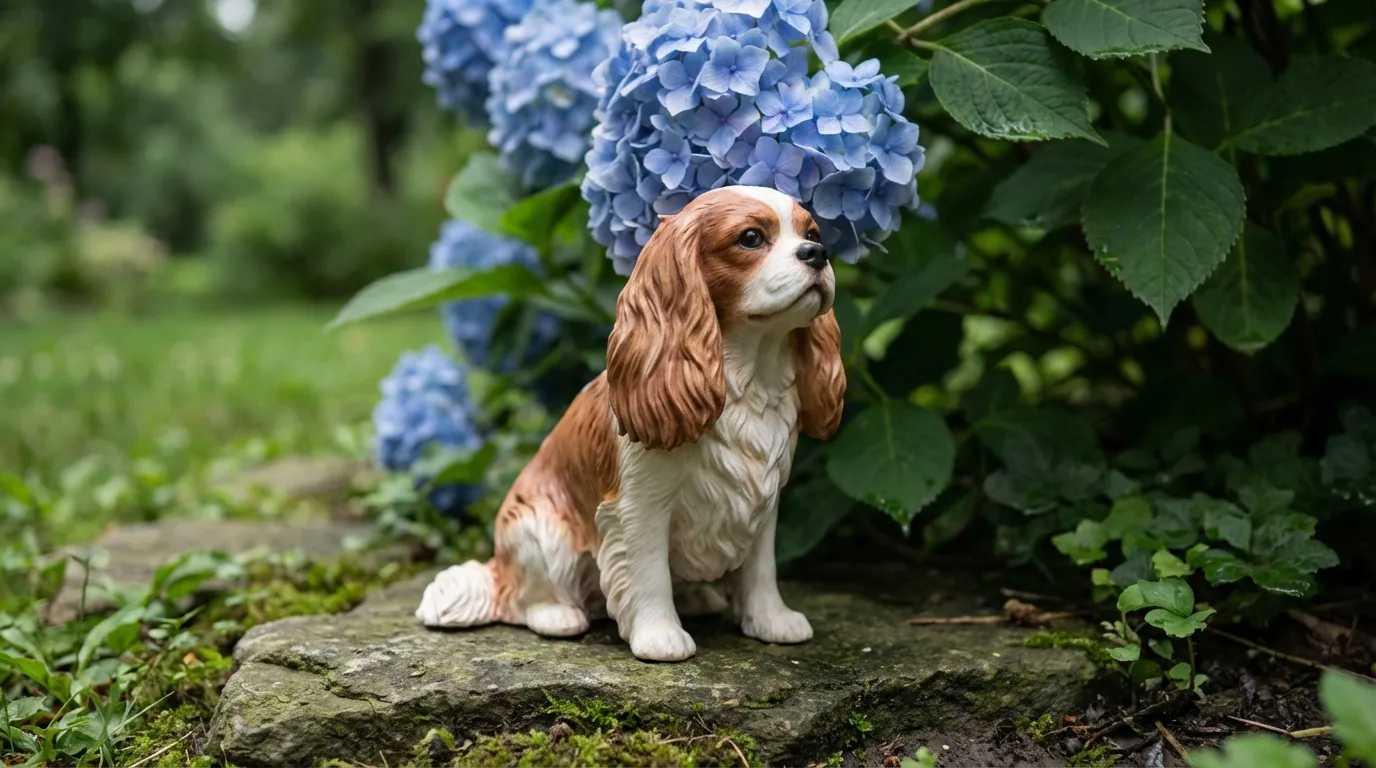
The wicker chair on the front porch sits empty at 6:00 AM, a time when it used to hold me and a coffee mug while a Cavalier King Charles Spaniel patrolled the perimeter for squirrels. Now, the morning light hits the hydrangeas differently, highlighting the stillness where a small, frantic shadow used to dance between the leaves.
Quick Takeaways
- Nature heals grief — Integrating memories into a living garden creates a cycle of renewal rather than finality.
- Material matters — Outdoor memorials require UV-resistant materials; standard indoor statues will fade or crack within months.
- Placement is storytelling — Position your tribute where your pet actually spent time, not just where it "looks good."
- Customization bridges the gap — Generic statues can feel impersonal; PawSculpt's custom figurines capture the specific tilt of a head or ear that sparks recognition.
The Psychology of the "Living Memorial"
Most pet owners, when faced with loss, think of a memorial as a static object—an urn on a mantelpiece or a framed photo on a wall. These are beautiful, but they are frozen in time. They belong to the "inside" world, the world of stillness.
But our pets were creatures of the "outside"—of movement, wind, scents, and seasons.
A garden memorial offers a different psychological anchor. It places the memory of your pet back into the cycle of life. When you place a figurine among the hydrangeas or tuck a stone marker beneath the rose bushes, you aren't just marking a death; you are acknowledging a life that was vibrant and connected to the earth.
"Grief isn't a problem to be solved. It's a love story that continues after the last chapter."
We've found that clients who create outdoor spaces report a different kind of healing. Instead of dusting a shelf, they are watering plants. They are engaging in caretaking behavior, which is often the very thing we miss most when a pet is gone. The act of tending the garden becomes the act of tending the memory.
Choosing the Right Spot: A Narrative Approach
The biggest mistake people make with pet memorial gardens is treating them like formal cemeteries. They find a dark, quiet corner in the back and place a stone there.
Don't do this. Your dog didn't spend their life hiding in the dark corner of the yard.
The "Favorite Spot" Method
Think about where your pet actually lived their best moments.
- The Sunbather: Did your cat spend hours on a specific retaining wall soaking up the afternoon heat? That is where the tribute belongs.
- The Sentry: Did your dog have a specific vantage point to watch the driveway? Placing a figurine there feels like restoring the natural order of things.
- The Hiding Spot: For the shy pets who loved the cool earth under the hostas, a discreet placement low to the ground honors their personality.
The Sightline Test
When you are washing dishes or sitting in your favorite chair, where do your eyes naturally drift? Place the memorial there. The goal isn't to create a shrine you visit once a year, but a subtle reminder you see every day.
We worked with a family who lost a Golden Retriever named Bailey. Bailey destroyed the grass in one specific patch near the back door from doing "zoomies." Instead of re-sodding it immediately, they turned that patch into a wildflower bed with a central figurine. Now, when they look out the kitchen window, they don't see a muddy scar; they see color and life.
Material Durability: The Boring But Critical Stuff
Here is the counterintuitive insight most garden blogs won't tell you: Most "garden statues" sold in big-box stores are not designed to survive outdoors.
They are often made of porous concrete or cheap polyresin painted with non-UV stabilized paints. One winter of freeze-thaw cycles will crack the concrete. One summer of direct UV exposure will turn a black dog grey and a golden dog white.
If you are placing something outside, you have three real options for longevity:
| Material | Durability | Aesthetic | Maintenance |
|---|---|---|---|
| Bronze/Metal | Extremely High | Classic, abstract | Patina develops over time (green/brown) |
| Natural Stone | High | Heavy, permanent | Moss growth, requires scrubbing |
| UV-Sealed Resin | Medium-High | Realistic, detailed | Needs clear coat re-application annually |
| Concrete | Low-Medium | Rough, generic | Prone to cracking in freezing temps |
A Note on Custom 3D Prints Outdoors
At PawSculpt, we use advanced full-color 3D printing technology. The color isn't painted on; it is part of the resin material itself. However, even the highest quality resin needs protection from the sun's radiation.
- The "Porch Rule": Keep it in a covered area (porch, gazebo) out of direct rain and harsh noon sun.
- UV Clear Coat: Apply a high-quality UV-resistant clear coat spray (matte or satin finish) before placing it outside, and re-apply once a year.
- Winter Hibernation: If you live in an area with freezing temperatures, bring the figurine inside for the winter. Resin can become brittle in extreme cold.
Designing the Plant Palette
Your plant choices can tell a story, too. The "Victorian Language of Flowers" is a bit cliché, but there is merit in choosing plants that reflect your pet's physical traits or personality.
For the High-Energy Dog (The Zoomies)
- Ornamental Grasses: They move with the wind, mimicking the energy of a running dog.
- Cosmos or Daisies: Resilient, cheerful, and they bounce back when the wind hits them.
For the Regal Cat (The Queen)
- Hydrangeas: Structured, long-lasting blooms that command attention.
- Lavender: Calming, fragrant, and attracts pollinators, creating a peaceful buzz around the spot.
The "Collar Color" Strategy
One of our favorite subtle tributes is to plant flowers that match the color of your pet's collar. If your Cavalier always wore red, a bed of red impatiens or geraniums creates a subconscious connection. It’s a visual cue that triggers the happy memories associated with walks and play, rather than just the sadness of loss."We've seen families heal by holding something tangible. Grief needs an anchor, and sometimes that anchor is best placed among the living roots of a garden."
— The PawSculpt Team
The Ritual of Placement
The day you place the figurine or stone shouldn't be an afterthought. Make it a ritual.
We often rush to "finish" the grieving process, but slowing down helps. Wait for a clear day. Involve the whole family. Maybe you write a letter to bury beneath the figurine. Maybe you sprinkle some of the ashes into the soil while planting the accompanying flowers.
This creates a "boundary event"—a psychological marker that separates the raw, chaotic grief from the gentler, enduring memory.
A customer shared with us that she waited six months before placing her custom figurine in the garden. She kept it on her nightstand until she felt ready to "let him go outside" again. That intuition is important. There is no timeline for this.
Integrating Light and Sound
Gardens change at night. If you only plan for the daylight, you lose half the experience.
Solar lights have come a long way from the cheap plastic stakes of the early 2000s. Consider a soft, warm-tone spotlight directed at the memorial spot. Seeing that small illuminated area from your window at night can be incredibly comforting—a reminder that the "watcher" is still on duty.
Wind chimes are another layer. We suggest looking for deep-tone chimes (often tuned to specific musical scales). The lower resonance is more soothing than the high-pitched tinkling of cheap chimes. Every time the wind blows, the sound serves as a gentle nudge to memory, a way for the environment to "speak" to you.
Frequently Asked Questions
Can I put my PawSculpt figurine directly in the garden soil?
We recommend placing it on a flat stone, paver, or decorative plinth rather than directly on the dirt. Constant contact with moist soil can degrade the finish over time and leaves the figurine vulnerable to splashing mud during rainstorms. A small stone base also elevates it, giving it better visibility among the plants.How do I protect a memorial statue from theft?
It's a sad reality, but outdoor decor can disappear. For lighter figurines, we suggest using a clear outdoor construction adhesive to bond the base of the figurine to a heavy paving stone. This makes it difficult to casually pick up and walk away with. Alternatively, keep the figurine in a "semi-private" area like a fenced backyard or a porch rather than the front lawn.What are the best plants for a pet-safe memorial garden?
If you have surviving pets who will access the garden, safety is paramount. According to the ASPCA's toxic plant guide, you should strictly avoid lilies, sago palms, and tulips. Great pet-safe options include sunflowers, zinnias, snapdragons, and marigolds. These add vibrancy without posing a risk to curious noses.How long does grief for a pet typically last?
There is no standard timeline, and don't let anyone tell you otherwise. The acute phase—where the house feels too quiet—can last weeks or months. But the "missing" part changes shape over years. A garden memorial acknowledges that grief isn't a straight line; it's a season, just like winter or spring.Ready to Celebrate Your Pet?
Every pet has a story worth preserving. Whether you're honoring a beloved companion who's crossed the rainbow bridge or celebrating your furry friend's unique personality, a custom PawSculpt figurine captures those details that make your pet one-of-a-kind.
Free instant AI preview • 3D artist preview within 7 days • 5 free revisions