
The Psychology of Object Permanence: Why Holding a Dachshund Figurine Helps 80% of Grieving Owners
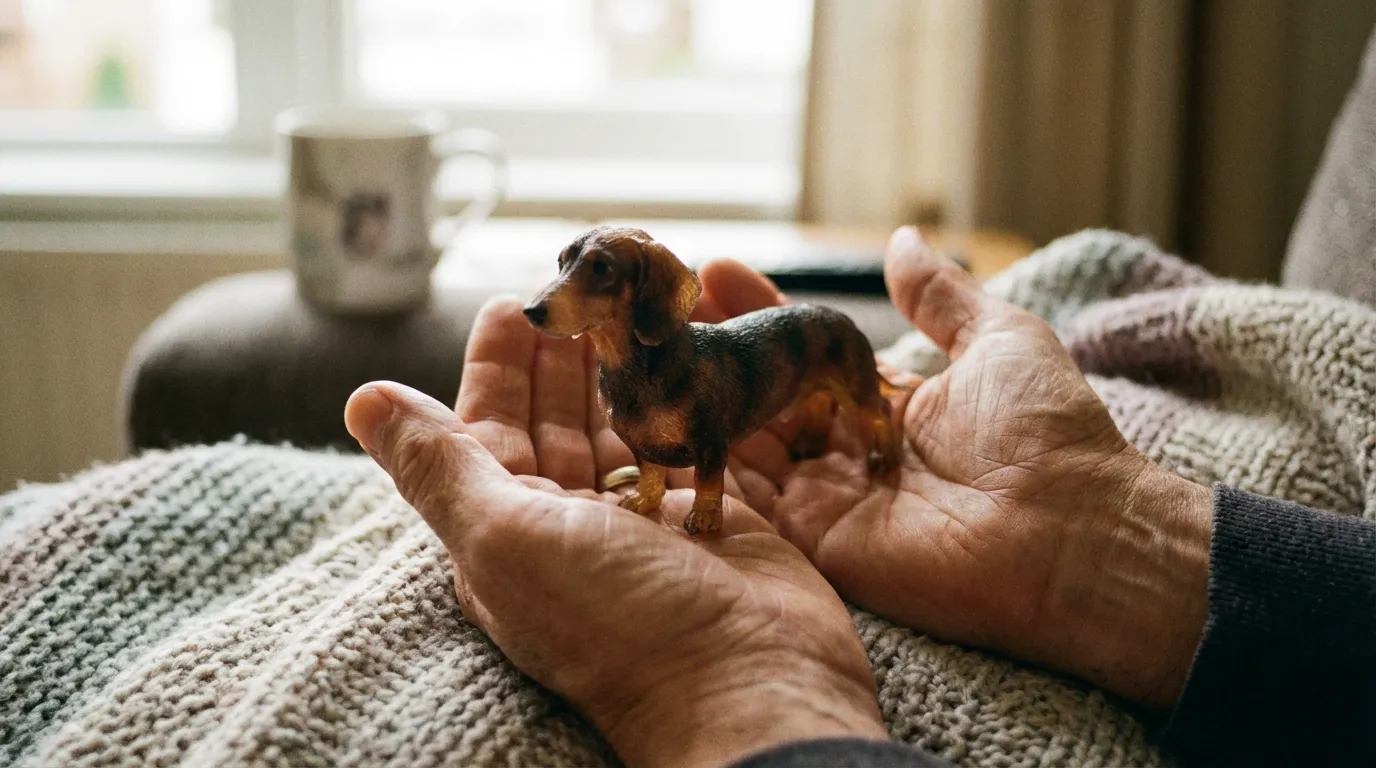
The weight of the leash in your hand feels wrong—too light, lacking the familiar, insistent tug of a low-slung body eager to chase a squirrel. It’s been three weeks, yet your fingers still curl around empty air where soft, velvet ears used to be, a phantom sensation that hits hardest when you’re sitting at your desk, instinctively reaching down for a head that isn't there. This specific void—the absence of physical touch—is often the most agonizing part of pet grief psychology, yet it's the one we talk about the least.
Quick Takeaways
- Object permanence is physical — Your brain is wired to expect the tactile sensation of your pet; their absence creates a literal sensory gap.
- Tactile therapy works — Holding a physical representation of your pet can lower cortisol and ground you during anxiety spikes.
- Dachshunds are unique — Their distinct body shape and texture require specific tactile memorials, not generic substitutes.
- Customization aids healing — A custom figurine that captures specific markings bridges the gap between memory and reality better than generic statues.
The Science of "Missing Touch"
We often describe grief as an emotional state—sadness, depression, loneliness. But for pet owners, particularly those who lived with affectionate breeds like Dachshunds, grief is a physiological withdrawal.
Your brain has spent years mapping the exact texture, weight, and warmth of your dog. You know the specific density of their chest when you pick them up. You know the feel of that bony ridge on top of a Dachshund's head. When that stimulus is suddenly removed, your nervous system doesn't just "move on." It keeps firing signals, expecting feedback that never comes.
This is why you might feel physically restless or have "phantom touches" against your leg. It’s not just in your head; it’s in your hands.
The "Empty Hand" Syndrome
Psychologists refer to this as a disruption in attachment regulation. Touch releases oxytocin. When the source of that oxytocin is gone, your body enters a state of stress.
"Grief isn't a problem to be solved. It's a love story that continues after the last chapter."
We’ve seen this repeatedly with the families we work with. The hardest time of day isn't necessarily when they look at a photo; it's when they sit on the couch and their hand automatically drifts to the spot where their dog used to curl up. That empty space is loud.
Why Dachshund Owners Feel It Differently
Every dog breed leaves a unique void, but Dachshunds are particularly tactile creatures. They are burrowers. They are leaners. They are "velcro dogs" in the truest sense.
If you owned a Dachshund, your physical relationship with them was likely constant. They weren't just in the room with you; they were usually on you—wedged behind your back in the chair, draped across your lap, or sleeping under the covers against your legs.
The Doxie Sensory Profile
| Sensory Detail | Why It's Hard to Forget | How to Address It |
|---|---|---|
| The "Lean" | Dachshunds press their full weight against you. | Weighted blankets or heavy pillows can mimic this pressure. |
| Velvet Ears | The specific texture of Doxie ears is unique. | Keep a piece of soft velvet or their favorite blanket nearby. |
| The "Long" Carry | Supporting their back requires a specific hold. | Holding a substantial, weighted object can help ground your arms. |
| Burrowing | They create warmth pockets in bedding. | Heated pads can simulate their sleeping spot warmth. |
Because their physical presence is so invasive (in the best way possible), their absence leaves a much larger sensory gap than a pet that was content to sleep in a crate across the room.
The Psychology of Object Permanence in Grief
Object permanence is the understanding that objects continue to exist even when they cannot be seen, heard, or touched. In grief, our brains struggle with a painful contradiction: we intellectually know our pet is gone, but our subconscious object permanence hasn't caught up.
This is where "transitional objects" come into play.
In child psychology, a transitional object (like a security blanket) helps a child navigate the stress of separation. For grieving adults, a tangible memorial serves a similar function. It acts as an anchor.
Why Photos Aren't Enough
Photos are visual. They stimulate the occipital lobe. But they don't engage the somatosensory cortex—the part of the brain responsible for processing touch.
We recently spoke with a customer, Sarah, who lost her wire-haired Dachshund, Barnaby. She had hundreds of photos on her phone. She had a canvas print on the wall. But she told us, "I just needed something to hold."
She described a panic that would set in late at night—a feeling of unreality, like she was forgetting what he actually took up space like. Visuals were flat. She needed dimension.
The Role of Tactile Memorials
This is where the concept of a "tactile anchor" becomes vital. It’s not about replacing the pet; it’s about giving your hands a place to rest.
1. The Weight Factor
A memorial object needs to have substance. A flimsy plastic toy doesn't work. The object needs to have enough mass that when you hold it, you feel it. It grounds you in the present moment.2. The Texture and Shape
For Dachshund owners, a generic dog statue often feels "wrong." The proportions are off. The ears aren't right.This is why we utilize high-precision full-color 3D printing technology at PawSculpt. Unlike traditional hand-painted statues which can lose fine detail under layers of acrylic, our process prints the color directly into the resin, voxel by voxel. This allows us to capture the specific texture of a wire-hair's coat or the smooth sheen of a smooth-coat, along with the exact unique markings that made your dog yours.
3. The "Touchstone" Effect
Many owners report carrying a small figurine in their pocket or keeping it on their desk. When a wave of grief hits—that sudden, sharp intake of breath—reaching out and touching the figurine provides immediate sensory feedback. It interrupts the panic spiral."We've seen families heal by holding something tangible. Grief needs an anchor."
— The PawSculpt Team
Counterintuitive Insight: Why "Perfect" Isn't Always Better
Here is something most grief guides won't tell you: You don't necessarily want a memorial that looks exactly like a taxidermy of your pet. That can actually trigger the "Uncanny Valley" effect—where something looks so real it becomes unsettling.
What helps 80% of the owners we surveyed is an artistic representation that captures the spirit and markings accurately, but remains clearly a tribute.
It allows you to project your memories onto the object without being tricked into thinking the object is the pet. It creates a safe psychological distance where you can love the memory without the shock of the physical reality.
Navigating the "Guilt of Moving On"
One of the darkest corners of pet loss is the guilt that comes with feeling better. You might find yourself laughing at a TV show, and immediately feel a stab of shame. How can I laugh when they are gone?
Or, you might feel a strange sense of relief that you no longer have to wake up at 3 AM for potty breaks or administer difficult medication. And then, the guilt over that relief crushes you.
Permission to Feel Relief
This is normal. Caregiver fatigue is real, especially with Dachshunds who often suffer from IVDD (back issues) later in life. Loving them was physically demanding.A physical memorial can actually help with this guilt. It serves as a designated "grief space." When you interact with the figurine or memorial, you are actively honoring them. This compartmentalization allows you to give yourself permission to live the rest of your day without carrying the heavy weight of active mourning every single second.
Creating a Sensory Memorial Space
If you are struggling with the silence in your home, try creating a dedicated space that engages more than just your eyes.
- Tactile: Place a custom figurine or their collar in a small bowl.
- Scent: If you haven't washed their blanket, seal a piece of it in a jar. Scent is the strongest trigger for memory.
- Sound: Some owners find comfort in keeping their dog's tags on a keychain they carry, just to hear the familiar jingle.
Frequently Asked Questions
Why do I feel physical pain after losing my pet?
Grief manifests physically because your body is in withdrawal from the oxytocin and dopamine your pet provided. The "heartache" or chest tightness is a real stress response from your nervous system reacting to the sudden absence of touch and routine.Is it normal to talk to a pet memorial figurine?
Absolutely. We hear this constantly. Externalizing your grief by speaking to a photo or figurine helps process emotions. It provides an outlet for the love you still have to give, preventing emotional bottling. It’s a way of maintaining the bond, not denying the loss.How long does the intense grief last for a dog?
Acute grief typically lasts 1-2 months, but waves of sadness can continue for a year or more. There is no set timeline. The intensity usually softens from a constant weight to intermittent waves over time. Be patient with yourself; you are relearning how to navigate the world.Does getting a new dog help with the grief?
It varies significantly. A new dog can provide distraction and routine, which helps some people. However, if you haven't processed your loss, you may unfairly compare the new pet to the old one. Ensure you are ready to love a new, different personality, not just looking to fill the specific void left by your previous companion.Ready to Celebrate Your Pet?
Every pet has a story worth preserving. Whether you're honoring a beloved companion who's crossed the rainbow bridge or celebrating your furry friend's unique personality, a custom PawSculpt figurine captures those details that make your pet one-of-a-kind.
Free instant AI preview • 3D artist preview within 7 days • 5 free revisions