
Tuesday Was Normal: Processing the Shock of Sudden Bloat
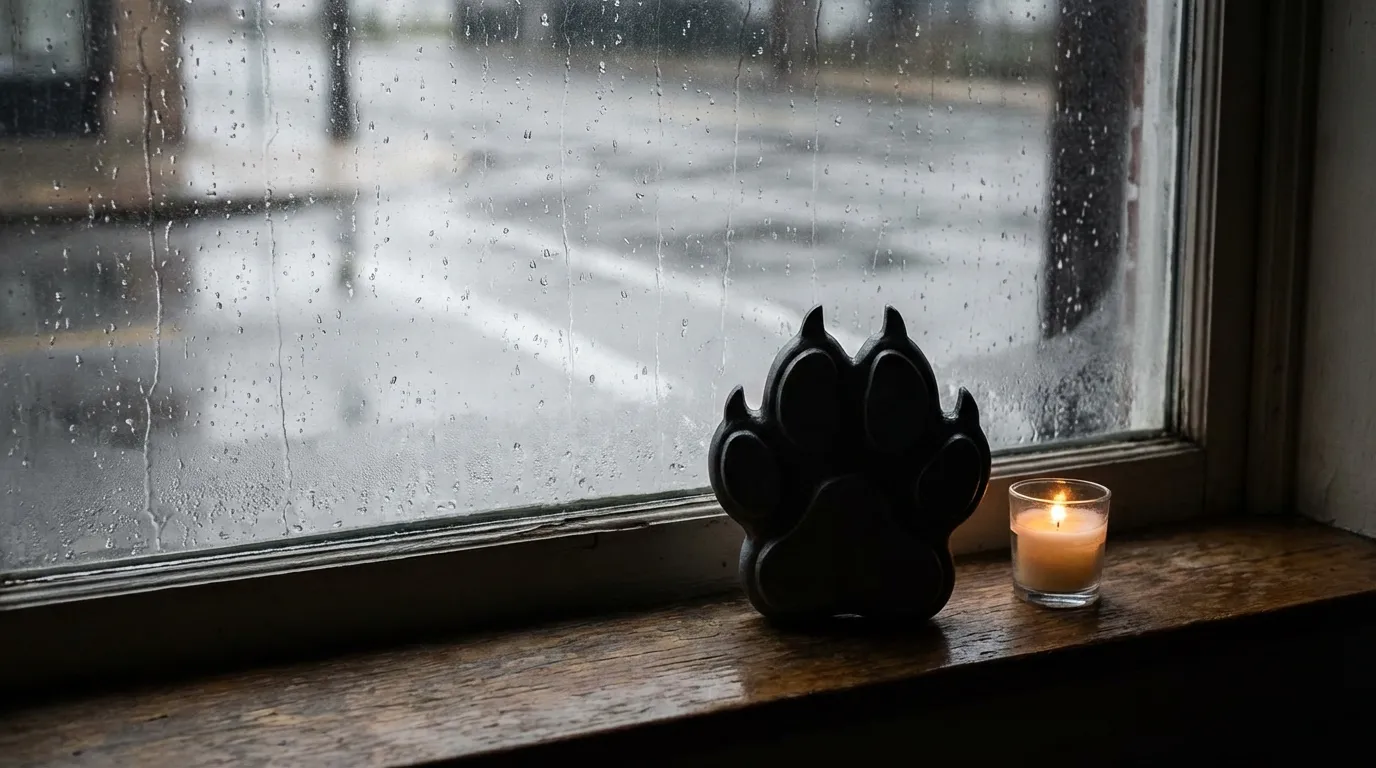
How can a morning start with a playful breakfast dance and end with a quiet house by sunset? You’re staring at the unopened bag of food, trying to comprehend how sudden dog death just stole your best friend in the span of a few hours.
Quick Takeaways
- Shock is a physical response — your brain literally cannot process the timeline of sudden loss immediately.
- Guilt is a liar — analyzing every minute of that final day will not change the outcome, though it’s a normal reflex.
- The "Normalcy" is the trigger — trauma is often anchored in the mundane routines (coffee, walks) that were interrupted.
- Tangible anchors help — holding a physical object, like PawSculpt’s custom 3D printed figurines, can ground you when memories feel slippery.
The Tyranny of the Ordinary Day
It wasn't supposed to happen on a Tuesday. Tuesdays are for quick walks before work, rushed coffees, and evening cuddles. They aren't for emergency vet visits.
The unique cruelty of traumatic pet loss—specifically from sudden onsets like bloat (Gastric Dilatation-Volvulus)—is that it ambushes you in the middle of a routine. You didn't have the "long goodbye" that comes with a terminal diagnosis. You didn't have time to pre-grieve.
One minute, your Great Dane is counter-surfing for toast; an hour later, you are making life-and-death decisions in a sterile exam room.
This "whiplash effect" creates a specific type of grief that is often misunderstood. Friends might say, "At least it was quick," or "At least they didn't suffer long." While well-meaning, these sentiments invalidate the sheer terror of the experience. The speed of the event is exactly what makes it so hard to process. Your brain is stuck in the morning, while your reality is stuck in the evening.
"Sudden loss doesn't just break your heart; it breaks your narrative. You're left holding a book with the last ten pages ripped out."
The "What If" Loop of Great Dane Bloat
If you lost a deep-chested dog to GDV (bloat), the guilt can be suffocating. We’ve spoken to countless families who replay the tape: Did he eat too fast? Did I let him run too soon after dinner? Was that heavy panting actually pain?
Here is the counterintuitive truth that few people will tell you: Hyper-vigilance isn't a cure.
You can do everything right—tack the stomach, use slow-feeder bowls, wait an hour after meals—and great dane bloat can still happen. It is a biological catastrophe, not a moral failing on your part.
The Physiology of Shock
When a dog dies suddenly, your nervous system enters a state of high alert. You might find yourself:- Waking up at the time they usually needed to go out.
- Thinking you hear their nails on the floor (phantom sounds are incredibly common).
- Feeling a surge of panic when you walk through the front door.
This isn't just sadness; it's trauma. Your body prepared to save them, pumped you full of adrenaline to rush to the vet, and now that adrenaline has nowhere to go.
Navigating the "Relief" You Don't Want to Admit
We need to talk about the emotion that makes pet owners feel like monsters: relief.
In cases of traumatic, high-pain events like bloat or sudden cardiac arrest, the suffering is intense but short. When the vet finally helps them pass, there is a moment where the panic stops. The dog is no longer thrashing or in pain. The crisis is over.
You might feel a wave of relief that their fear has ended.
And immediately following that relief comes a crushing wave of guilt. How can I feel relieved? My dog just died.
Please hear this: You aren't relieved that they are gone. You are relieved that they are safe. That distinction matters. It is the ultimate act of love to be grateful that their suffering was cut short, even if it means your suffering has just begun.
Anchoring Yourself When the House Feels Empty
The silence after a sudden death is heavy. It has a weight to it. Because you didn't have time to prepare, your home is still set up for a living dog. The water bowl is full. The leash is by the door.
Some experts suggest packing everything away immediately. We disagree.
Rushing to erase their presence can deepen the trauma. Instead, try "shifting" the energy.
- The Shrine Method: designate one small table or shelf for their collar, a favorite toy, and a photo. Move the other items away slowly, one by one, over weeks.
- Tangible Memories: In the digital age, we have thousands of photos on our phones, but we rarely hold anything. Grief is physical; we miss the weight of them.
This is where we see families find comfort in custom pet figurines. Unlike a flat photo, a 3D object occupies space. It casts a shadow.
At PawSculpt, we use full-color 3D printing technology to recreate your pet's specific markings. We don't just paint a generic model; our artists digitally sculpt the slight tilt of their ear or the grey on their muzzle, and the printer creates the colors directly into the resin. It’s not about replacing them—it’s about having a physical touchstone when the memories feel like they’re fading.
"We've seen families heal by holding something tangible. Grief needs an anchor, especially when the goodbye happened too fast to process."
— The PawSculpt Team
The Timeline of Traumatic Grief vs. Anticipatory Grief
Sudden loss processes differently than expected loss. It’s helpful to visualize the difference so you stop judging yourself for "not being over it yet."
| Feature | Anticipatory Grief (Old Age/Illness) | Traumatic Grief (Sudden Death/Bloat) |
|---|---|---|
| Primary Emotion | Sadness, Exhaustion | Shock, Disbelief, Panic |
| The "Goodbye" | Gradual, often planned | Chaotic, rushed, or non-existent |
| Guilt Focus | "Did I wait too long?" | "What did I miss? Could I have stopped it?" |
| Memory Trigger | Seeing them weak/sick | Seeing the places they were healthy just yesterday |
| Processing Time | Grieving often starts before death | Grieving cannot start until shock wears off (weeks later) |
Moving Forward Without Moving On
There is a fear that if you stop hurting, you’ll stop remembering. Especially with sudden death, the pain feels like the only link left to that Tuesday morning when everything was normal.
But you don't have to "move on." You just have to move forward.
Start by reclaiming the routine. Go to the park—not to walk a dog, but to sit on the bench. Drink the coffee. Acknowledge that the routine is broken, and that’s okay.
According to the Association for Pet Loss and Bereavement, creating a ritual around the time of the sudden event can help reclaim power over the trauma. If they passed at 6:00 PM, light a candle at 6:00 PM for a week. Acknowledge the moment, then blow it out.
You are surviving the thing you feared most. And while the house is quieter, the love they left behind is loud enough to echo forever.
Frequently Asked Questions
Is grief from sudden dog death harder than natural causes?
It isn't necessarily "harder" in terms of love lost, but it is more complex due to the element of trauma. The shock phase lasts longer, and you may experience symptoms similar to PTSD, such as flashbacks to the event or severe anxiety. You were robbed of the chance to say goodbye, which leaves a lack of closure that takes time to resolve.What are the first signs of bloat in dogs?
Because speed is critical, knowing the signs is vital. Look for a distended or hard stomach, pacing and inability to get comfortable, and most notably, unproductive retching (trying to vomit but nothing comes up). According to the American Kennel Club, immediate veterinary surgery is the only treatment.How do I help my surviving dog cope with sudden loss?
Dogs pick up on your stress and the sudden absence of their packmate. Keep their feeding and walking schedule identical to before. If they seem depressed, engage them in new training tricks to stimulate their brain, but don't force them to play if they aren't ready.Why do I feel guilty even though I did everything right?
This is called "bargaining," a classic stage of grief. Your brain is trying to find a reason for the tragedy to make sense of it. If you can find a "mistake" you made, it gives you a false sense of control. Remind yourself: You loved them. You did your best. Some things are simply out of our hands.Ready to Celebrate Your Pet?
Every pet has a story worth preserving. Whether you're honoring a beloved companion who's crossed the rainbow bridge or celebrating your furry friend's unique personality, a custom PawSculpt figurine captures those details that make your pet one-of-a-kind.
Free instant AI preview • 3D artist preview within 7 days • 5 free revisions