
Beyond the Cage: 7 Creative Spots to Place a Hamster Memorial (That Aren't the Backyard)
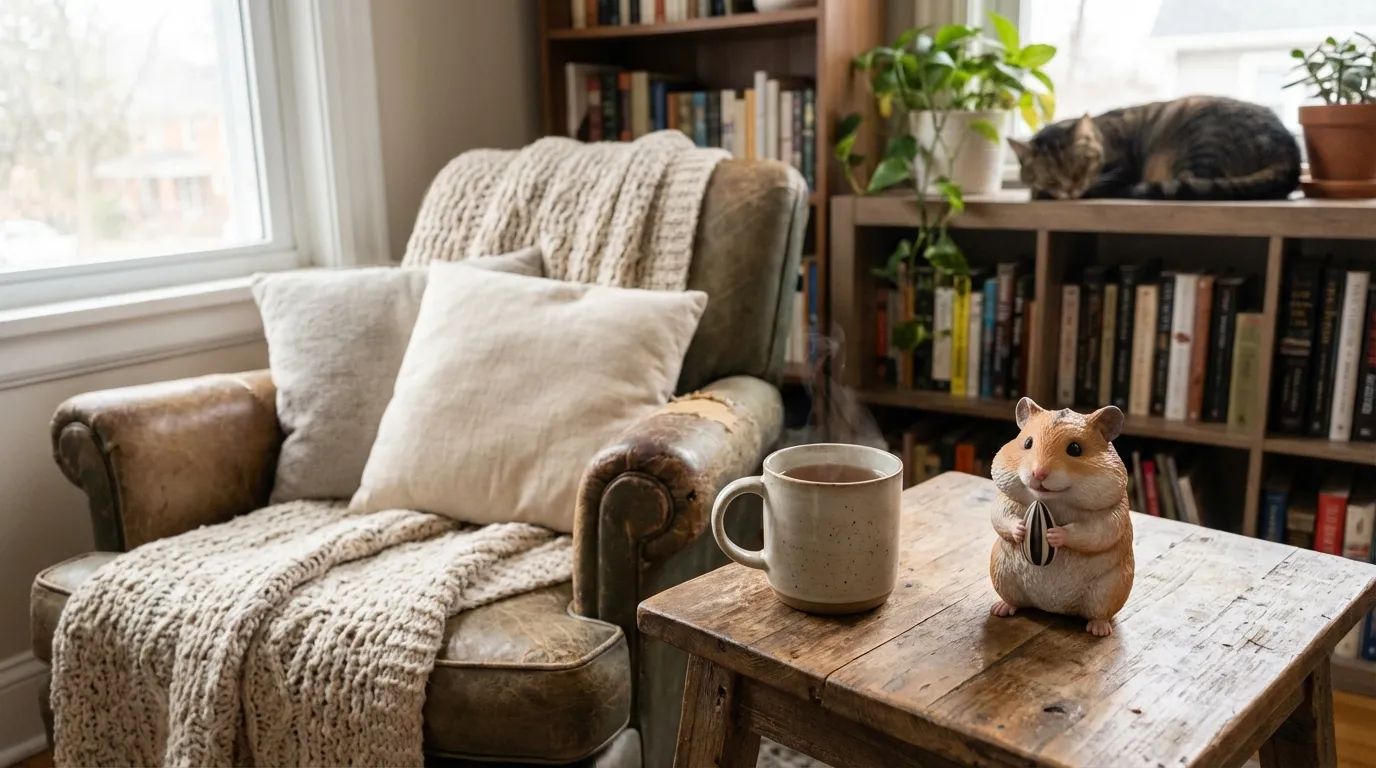
The rhythmic whir-click-whir of the wheel used to vibrate through the basement floorboards every night at 2 AM, a steady heartbeat in the dark. Now, the furnace hums alone in the damp air, and the sudden absence of that tiny, energetic noise makes the room feel vast and hollow, sparking a search for hamster memorial ideas that feel right.
Quick Takeaways
- Create a "Micro-Vignette" — Utilize vertical shelving or shadow boxes to frame small items like a favorite chew toy or water bottle bracket.
- Repurpose Glassware — Transform a fishbowl or apothecary jar into a moss terrarium that symbolizes continuing life.
- Consider Scale — Small pets deserve memorials that fit their size; a custom pet figurine offers a 1:1 scale tribute that fits perfectly on a desk.
- Portable Tributes — For renters, avoid burial; choose keepsakes that move when you move.
- Lighting Matters — Use small LED accents to illuminate the memorial during the evening hours when your hamster was most active.
The Art of the Micro-Memorial
When we lose a dog or a cat, the world seems to understand the scale of the loss. But when a hamster passes, the grief is often met with a confused silence from others. "It was just a small pet," they might imply. But we know the truth: love isn't measured in pounds or square footage. The grief is heavy, regardless of the size of the casket.
From a craftsman’s perspective, creating a memorial for a hamster presents a unique artistic challenge. You aren't building a monument; you are curating a jewel box. The goal is to capture the essence of a creature that lived its life in miniature—the twitch of a whisker, the blurred speed of little paws, the texture of soft bedding.
Because hamsters are indoor creatures who lived their entire lives within the architecture of our homes, exiling their memory to a cold spot in the backyard often feels wrong. It feels disconnected. The backyard is for the wild things; your hamster was a creature of cozy bedding and climate control.
"Grief isn't a problem to be solved. It's a love story that continues after the last chapter."
There is also a practical, often unspoken reality to backyard burials: the fear of leaving them behind. If you rent your home, or if you plan to move in five years, burying your friend under the rosebush anchors your grief to a piece of real estate you don't own. Indoor memorials allow the memory to travel with you, preserving the bond regardless of your zip code.
The Nuance of "Relief-Guilt"
We need to talk about the silence. Specifically, the complicated emotion that arises when the noise stops. Hamsters are nocturnal. They can be loud. Maybe you lost sleep over that squeaky wheel. Maybe cleaning the cage was a chore you sometimes dreaded after a long work week.When they pass, you might feel a sudden, sharp wave of relief that you can finally sleep through the night. And immediately following that relief comes a crushing weight of guilt. How can I be glad the noise is gone when it means he is gone too?
This is the texture of grief. It is not smooth; it is gritty and contradictory. Acknowledging that you appreciate the sleep doesn't mean you didn't love the life. An indoor memorial serves as a physical anchor to work through these complex layers, a place where you can silently apologize for the nights you complained about the noise, and thank them for the joy they brought.
1. The Bookshelf Diorama: Framing the Memory
Think of a bookshelf not just as storage, but as a gallery wall for three-dimensional objects. A hamster memorial doesn't need to dominate a room; it can exist quietly within the existing landscape of your life.
The "Bookshelf Diorama" approach treats the memorial like a curated museum exhibit. You clear a small section of a shelf—perhaps between their favorite treat canister and a stack of books—and create a purposeful void.
How to Construct It:
Start with a base. A piece of slate, a slice of polished wood, or a small velvet mat. This defines the "sacred space" distinct from the dusty shelf surface.
Arrange 2-3 significant items. Do not clutter. In design, negative space is what gives the object importance.
- The Artifact: A wooden chew toy they gnawed into a unique shape. This is a sculpture created by your pet.
- The Image: A small, framed photo. Black and white often looks more timeless and "artistic" on a shelf than a blurry color phone snap.
- The Light: A small, battery-operated puck light mounted under the shelf above can cast a spotlight down, creating a dramatic, gallery-like effect.
Why This Works:
It integrates them into your daily intellectual life. Every time you reach for a book, you have a fleeting, gentle moment of connection.
2. The Living Terrarium (A Cycle of Life)
For those who appreciate the organic texture of nature, a closed terrarium offers a profound metaphor. Hamsters are creatures of the earth—burrowers, diggers, nesters. Returning their memory to a cycle of growth can be incredibly healing.
The Concept:
Instead of a grave, you create a self-sustaining ecosystem. Use a large apothecary jar or a sleek geometric glass container (do not use their old cage; the visual association is often too painful initially).
The Execution:
Layer pebbles for drainage, activated charcoal, and soil. Plant slow-growing mosses, small ferns, or fittonia. If you have cremated ashes, a small amount can be mixed into the soil layers (check with a cremation specialist first regarding soil pH balance, as ashes are alkaline).
Place a smooth river stone in the center. You might paint their name on it, or simply leave it bare as a minimalist monolith.
The Counterintuitive Insight:
Most people think a memorial must be static—a stone that never changes. But grief changes. It grows, softens, and evolves. A living memorial that requires water and light gives you a routine. It gives you something to nurture when you no longer have a pet to feed. The act of misting the moss becomes a ritual of remembrance.
| Memorial Type | Maintenance Level | Emotional Focus | Best For |
|---|---|---|---|
| Bookshelf Diorama | Low (Dusting) | Visual Reminder | Readers/Collectors |
| Living Terrarium | Medium (Watering/Pruning) | Nurturing/Growth | Plant Lovers |
| Desk Vignette | Low | Companionship | Remote Workers |
| Shadow Box | None | Preservation | Families with Kids |
3. The Desk Companion: The 1:1 Scale Tribute
For many of us, our hamsters were our late-night work buddies. As we typed away at 11 PM, they were just waking up, starting their "workday" on the wheel. The desk is a natural place for their memory to reside.
This is where the concept of scale becomes critical. A photo of a hamster is flat. It lacks the volume, the roundness that makes a hamster so endearing. This is where custom 3D pet figurines bridge the gap between memory and reality.
At PawSculpt, we approach this through the lens of digital sculpture. We don't use generic molds. Our artists look at your photos to understand the specific arch of your hamster's back, the way they held their paws, or that unique patch of beige fur behind the left ear.
Because we use full-color 3D printing technology, the color isn't painted on top—it is built into the resin itself, voxel by voxel (a voxel is a 3D pixel). This captures the variegated patterns of fur in a way that hand-painting often misses. A painter's brush stroke is too large for the tiny details of a hamster's coat; 3D printing achieves a resolution that mimics the texture of life.
Placing a 1:1 scale figurine on your monitor stand or beside your pencil cup creates a "trompe-l'œil" effect. From the corner of your eye, it looks like they are still there, keeping you company through the late shift.
4. The Shadow Box "Architecture"
If you are a tactile person, the texture of your pet's life is what you likely miss the most. The softness of the bedding, the rough wood of the house, the smooth plastic of the wheel.
A shadow box allows you to become an architect of these textures. Unlike a flat frame, a shadow box has depth. It allows you to preserve three-dimensional objects behind glass, protecting them from dust while elevating them to art.
The Composition:
Don't just throw things in. Compose them.
- Background: Use a piece of high-quality cardstock or even a swatch of fabric that matches the room's decor.
- The Anchor: Mount the metal nameplate from their cage, or perhaps the small ceramic food dish (secured with museum wax).
- The Softness: A small tuft of their clean bedding material or a piece of fleece they slept on can be placed in a small glass vial and mounted inside the box. This preserves the visual texture without the mess.
The Craftsman's Tip:
Pay attention to the frame material. A rustic wood frame suggests a natural, burrowing life. A sleek black metal frame suggests a modern, dignified tribute. The frame changes how the "art" inside is perceived.
5. The Nightstand Vignette (Morning & Night)
Hamsters are creatures of the dark. A memorial placed in a bright, sun-drenched sunroom might feel artistically mismatched. The nightstand is an intimate, low-light space that mimics their natural habitat.
Create a small vignette (a small, grouped arrangement) on your bedside table.
- A small, heavy stone or marble slab.
- A tiny, battery-operated candle (set on a timer to glow only in the evening).
- A small vessel holding a whisker you might have found during cleaning (many owners save these without knowing why—this is why).
The Emotional Logic:
You see this spot first thing in the morning and last thing at night. It acknowledges that they were a part of your domestic rhythm. The soft glow of a candle in the evening honors their nocturnal nature, a silent signal that "the night watch has begun," even if they aren't there to run the wheel.
"We've seen families heal by holding something tangible. Grief needs an anchor, especially when the life lost was so small it could fit in a pocket."
— The PawSculpt Team
6. The "Invisible" Locket (Portable Memory)
Sometimes, the best memorial is the one nobody else sees. If you feel judged by others for grieving a "rodent" (a cruel word for a beloved friend), a hidden memorial offers privacy.
A high-quality locket isn't just for human photos. Placing a tiny, high-resolution photo of your hamster inside a silver or gold locket keeps them against your pulse.
The Artistic Angle:
Look for lockets with a "satin" or "brushed" finish rather than high polish; they hide fingerprints better and feel warmer to the touch. Some artisans can even engrave the exact footprint of your hamster onto the metal if you have an ink print (or a photo of their paw). This transforms jewelry into a tactile map of their physical form.
7. The Digital Archive (Preservation Beyond Matter)
We live in a digital age, and sometimes physical space is simply unavailable. But a folder on your desktop named "Hamster Photos" is not a memorial; it is storage.
Treat your digital files with the same respect you would physical photos.
- Curate a Digital Book: Use a high-end photo book service to print a small, hardcover volume. The tactile experience of turning pages is different than swiping a screen.
- The 3D Scan: If you are tech-savvy, there are apps that allow you to scan objects. While you can't scan a pet easily, you can scan their favorite toy or their house.
- The Commission: Hiring a digital artist to paint a portrait, or a 3D artist (like our team at PawSculpt) to sculpt a digital likeness, immortalizes them in data that can never degrade, fade, or break.
Why "Hand-Painted" Isn't Always Better
In the world of collectibles, you often hear "hand-painted" as the gold standard. But when it comes to capturing the chaotic, organic pattern of a hamster's coat—the way a Golden Hamster's fur shifts from amber to white to slate grey—the human hand has limitations.
At PawSculpt, we utilize full-color 3D printing. This means the machine mixes the colored resin at a microscopic level. The color isn't a coat of paint sitting on top of the plastic; the color is the plastic.
This results in a translucency and depth that mimics organic material. A hand-painted eye often looks like a painted bead. A multi-material 3D printed eye can have a clear cornea layer over a colored iris, catching the light exactly the way your hamster's eye did when they peeked out of their burrow. It is technology in service of emotion.
Frequently Asked Questions
Is it weird to have a memorial for a hamster?
Absolutely not. Grief is a response to the loss of a bond, not the size of the animal. If you loved them, the grief is real. Creating a memorial validates your feelings and helps you process the loss of your daily companion. It is a sign of a compassionate heart.What can I do with my hamster's ashes if I rent?
Avoid burying them in the yard, as you may leave them behind if you move. Keep them in a sealed decorative urn, incorporate a small amount into a potted plant's soil (a "living urn"), or commission a memorial object like a glass orb or a hollow-base figurine that can travel with you to your next home.How do I explain the empty cage to my other pets?
If you have other pets, especially cats or dogs who watched the hamster, they will sense the absence. Allow remaining pets to sniff the empty cage or the area where it stood before you pack it away. This olfactory cue helps them understand that their companion is gone, preventing the anxiety of endless searching.How long does it take to make a custom figurine?
At PawSculpt, the process typically takes 2-4 weeks. This includes the intricate digital sculpting phase—where you get to review and approve the 3D model to ensure we've captured that specific ear twitch—followed by high-precision full-color printing and finishing.Ready to Celebrate Your Pet?
Every pet has a story worth preserving, no matter how small their footprint was. Whether you're honoring a beloved hamster who has crossed the rainbow bridge or celebrating your furry friend's unique personality while they are still with you, a custom PawSculpt figurine captures those microscopic details that made them one-of-a-kind.
Free instant AI preview • 3D artist preview within 7 days • 5 free revisions