
Stop Guessing What Your Senior Shiba Inu Can Eat: The 5-Step Nutrition Audit
"The dog is a gentleman; I hope to go to his heaven, not man's." Mark Twain wrote that from his walking trails, and it captures something many of us feel as our dogs age: they deserve better than our guesswork. If you're tired of second-guessing your senior Shiba Inu diet, this audit gives you a clear, repeatable framework.
A senior Shiba Inu diet decision comes down to a structured audit, not a single "best" food. Work through life stage, portion, feeding schedule, body condition, and a veterinary nutrition assessment. WSAVA treats nutrition as the fifth vital sign, and the ASPCA notes diet changes as a dog ages — so the right answer is individual, not universal.
Quick Takeaways
- A dog's feeding schedule and diet change as it ages, so a senior routine shouldn't mirror the puppy playbook (ASPCA).
- WSAVA recommends a nutrition assessment at every veterinary visit and calls nutrition the fifth vital sign (WSAVA).
- Premium-quality dry food provides a well-balanced diet for adult dogs and can be mixed with water, broth, or canned food (ASPCA).
- Routine veterinary checkups and early professional evaluation of health or behavior changes are foundations of preventive care (AAHA).
- The goal isn't a trendy diet. It's a plan tailored to one dog's life stage, body condition, and health risks.
Why "Senior" Isn't a Single Setting
Here's the trap many first-time owners fall into. We read one article, pick a bag labeled "senior," and assume the decision is made. But aging isn't a switch. It's a slope.
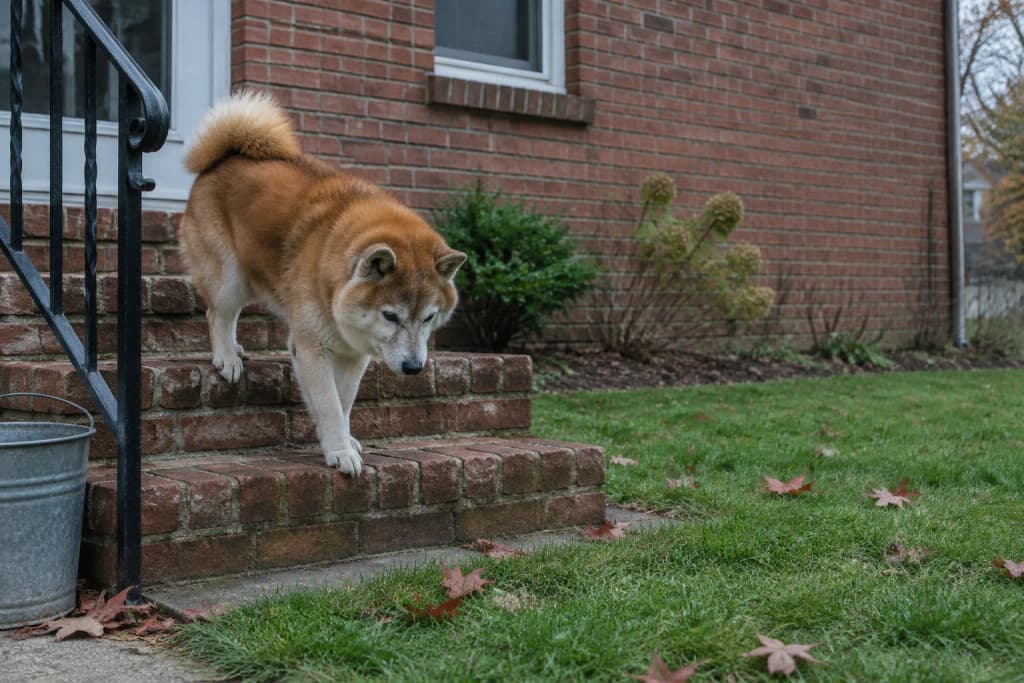
The ASPCA is direct about this: feeding schedules and diet change as a dog ages. That's a cause-and-effect chain worth sitting with. Metabolism shifts. Activity drops or spikes. Teeth, joints, and appetite all move on their own timelines. A rigid feeding plan from your Shiba's younger years can quietly stop fitting.
And Shibas make this harder in a very Shiba way. They're independent. They can be fussy. Many owners report a dog who inhaled dinner at three suddenly walking away from the same bowl at eleven. Is that preference? Pain? A real health change? You can't answer that from a label.
WSAVA offers the structural fix. Their guidelines say pets should be fed according to an individually tailored nutrition plan set with a veterinary team, and that diet and feeding needs vary by life stage, body condition, and health risk factors. In other words: the variables are known. The combination is personal.
So we stop guessing. We audit.
The 5-Step Senior Shiba Inu Nutrition Audit
Think of this as a checklist you run, not a diet you buy. Each step narrows the decision. By the end, you walk into your vet's office with data instead of vibes.

Step 1: Confirm the Life Stage Honestly
Start with a calendar and a clear eye.
The ASPCA frames diet around life stage directly — what a puppy needs is not what an adult needs, and what an adult needs is not what a senior needs. For cats, the parallel guidance is explicit: diet should be a quality food formulated for the pet's life stage (ASPCA cat care). The principle carries across companion animals.
For your Shiba, "senior" is less about a birthday and more about how the dog is actually aging. The honest questions:
- Has activity noticeably dropped in the last year?
- Is weight drifting up or down without a diet change?
- Are there new behaviors around food — hesitation, slower eating, lost interest?
AAHA notes that care recommendations vary by age and individual risk, and that owners should discuss life-stage and behavior changes with a veterinarian. So you're not diagnosing here. You're documenting. Write down what's changed. That log becomes step five's raw material.
Step 2: Audit the Portion, Not Just the Product
Most diet anxiety is actually portion anxiety wearing a costume.
The ASPCA establishes that premium-quality dry food provides a well-balanced diet for adult dogs, and that it may be mixed with water, broth, or canned food. That's useful because it reframes the question. The base food can stay reasonable while the amount and format flex.
A senior Shiba who's slowing down may need less volume. One who's dropping weight may need the same food made more appealing — moistened, softened, warmed slightly. The ASPCA's note about mixing dry food with water or broth is a practical lever for a fussy senior who's lost enthusiasm for crunchy kibble.
Run the audit like this:
- Measure what you actually serve for one week. Not the scoop you assume you use — the real one.
- Note whether food is left behind or vacuumed up.
- Note water intake, since the ASPCA emphasizes fresh, clean water as a baseline (more on that in step four).
Precision here is quietly powerful. "I feed him a bowl" is not data. "One level scoop, twice daily, about a third left behind at dinner" is.
Step 3: Right-Size the Feeding Schedule
Schedule is its own variable, separate from food and portion.
Consider the full arc the ASPCA describes: puppies eight to twelve weeks old need four meals a day, and feeding schedules change as a dog ages. Nobody feeds a senior Shiba four times a day on autopilot — but the deeper point is that frequency is a dial, not a fixed setting.
Some senior dogs do better with the same total food split into smaller, more frequent meals. Some do better with a steady two-meal rhythm. The "right" schedule is the one that fits your dog's appetite, energy, and your vet's input — not the one you've simply never changed.
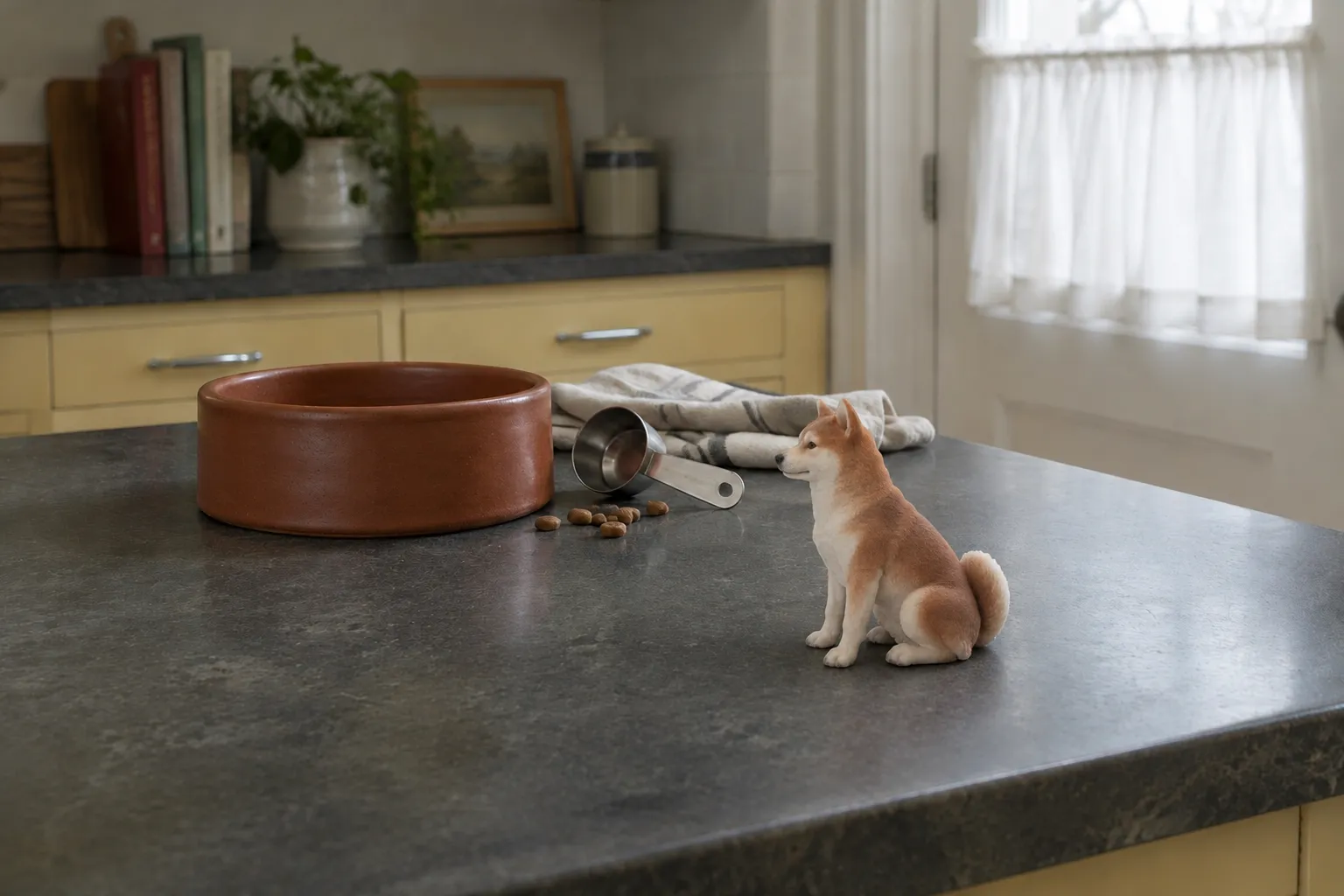
Imagine a weekday morning. The kitchen is still half-dark. Your Shiba — call him Kuma — pads to the corner where his bowl sits, the same corner it's occupied for years. He sniffs, steps back, and looks at you from across the floor, waiting. That distance between dog and bowl is information. It's the moment the audit stops being theoretical.
Track the schedule for a week alongside the portion data. Patterns surface fast.
Step 4: Check Hydration and the Feeding Environment
Food doesn't happen in a vacuum. It happens in a spot, in a bowl, in a room.
The ASPCA's cat-care guidance makes the hydration standard concrete: fresh, clean water at all times, with bowls washed and refilled daily. Clean water and clean bowls are foundational companion-animal care, and they're easy to let slip with a quiet senior dog who asks for little.
The environment matters more than we admit. Think spatially:
- Where does the bowl live? A high-traffic corner can stress a sensitive senior.
- How far does your dog travel to eat? For a dog with slowing joints, distance and flooring (slippery tile versus a mat) can shape whether he bothers.
- Who else shares the space? In multi-pet homes, an aging Shiba may cede the bowl rather than compete.
None of this requires a diagnosis. It requires you to stand in the room and look at it from the dog's height. The empty chair you walk past, the slick patch of floor between the pantry and the bowl — these are the small frictions that turn "he won't eat" into "he won't eat there."
Step 5: Bring the Audit to a Veterinary Nutrition Assessment
Now you convert observation into a plan.
This is the step the whole audit exists to feed. WSAVA recommends a nutrition assessment for every pet at every veterinary visit — they literally call nutrition the fifth vital sign. And their core guidance is that pets should be fed according to an individually tailored nutrition plan set with a veterinary team, accounting for life stage, body condition, and health risk factors.
AAHA reinforces the cadence: routine checkups support preventive care, and early professional evaluation of health or behavior changes belongs in a vet's hands, because recommendations vary by age and individual risk.
So you arrive with:
- Your life-stage change log (Step 1)
- One week of real portion data (Step 2)
- The feeding schedule and what fits (Step 3)
- Hydration and environment notes (Step 4)
That packet turns a vague appointment into a precise one. You're not asking "what should I feed my old dog?" You're asking "given these specific patterns, how should we tailor his plan?" That's the difference between guessing and auditing.
A Quick-Reference Table: What the Sources Actually Establish
It helps to separate what's grounded guidance from what's internet folklore. Here's only what the sources support.
| Audit Focus | What the Source Establishes | Source |
|---|---|---|
| Life stage | Feeding schedules and diet change as a dog ages; care varies by age and individual risk | ASPCA, AAHA |
| Base food | Premium-quality dry food is well-balanced for adult dogs; can be mixed with water, broth, or canned food | ASPCA |
| Schedule | Puppies 8–12 weeks need four meals a day; schedule changes with age | ASPCA |
| Hydration | Fresh, clean water at all times; bowls washed and refilled daily | ASPCA |
| The plan itself | Individually tailored nutrition plan with a veterinary team; nutrition is the fifth vital sign | WSAVA |
Notice what's not here: specific senior-dog calorie counts, breed-specific formulas, supplement promises. Those vary by individual and belong to your veterinarian, not an article. The honest version of this guide tells you where the map ends.
Why We Audit Instead of Chase Trends
There's a shared experience behind all of this, and naming it helps.
Many of us feel a particular guilt as a dog ages. We sense the clock. We overcorrect — switching foods every few weeks, chasing the newest "senior" bag, reading reviews at midnight. It's common to feel like the right product is out there and we're simply failing to find it.
The audit reframes that anxiety as a process. You are not alone in the worry, and you don't have to solve it in a single purchase. WSAVA's framework exists precisely because the answer is individual. AAHA's preventive-care model exists because the best signal is a professional looking at your dog, not a stranger ranking kibble online.
When you run the five steps, you trade frantic searching for steady observation. That's calmer for you. It's calmer for a sensitive breed that reads your stress across the room.
Marking the Years You're Documenting
Here's something quietly worth noticing. When you run this audit, you spend real time watching your senior Shiba — how he sits, how he tilts his head waiting by the bowl, how he occupies his corner of the kitchen. You start seeing him again, not just feeding him.
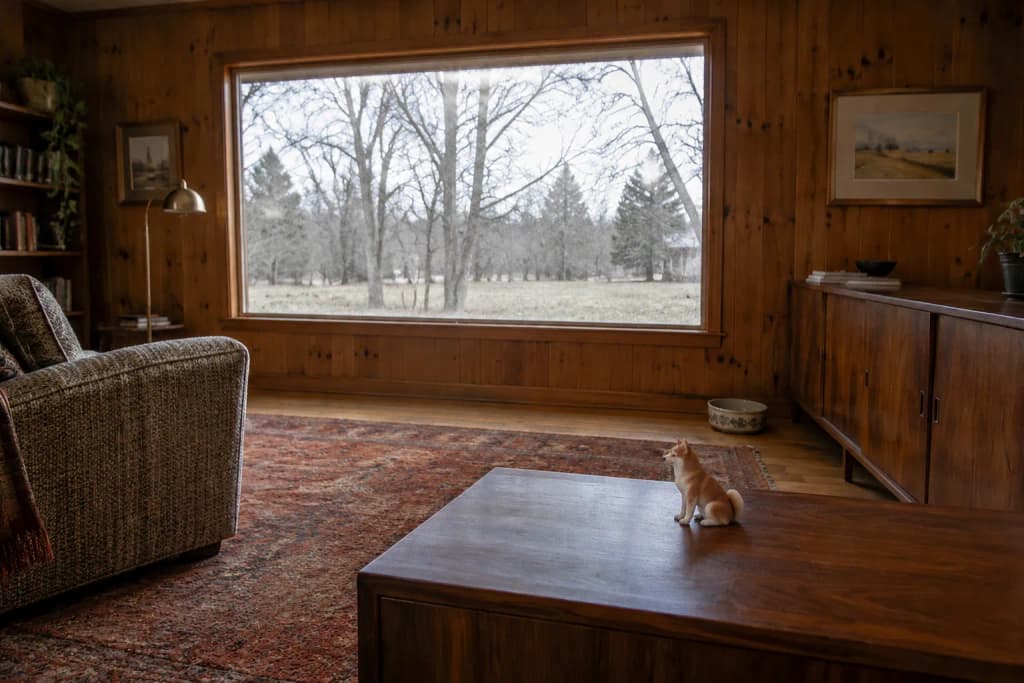
Many owners want to hold onto that specific version of their aging dog. Photographs do this. So does a short written log of his habits — the ears, the hesitation, the particular way he waits. Some people commission art.
A custom sculpted figurine is one option among those keepsakes. PawSculpt makes custom full-color 3D printed resin pet figurines, 2.5 to 6 inches tall, from your reference photographs — the kind of calm, attentive, ears-perked pose you notice during a feeding audit. It's a sculpted portrait, an artistic interpretation of your dog, not a photo-exact replica. An artist digitally sculpts the piece, you confirm the preview before anything is printed, and the finished model gets a transparent protective coat for indoor shelf display.
It's not a substitute for the photos on your phone or the notebook by the pantry. It's just another way some owners choose to mark the years they're paying closer attention to. If that's not your thing, the audit stands entirely on its own.
Frequently Asked Questions
How do I know if my Shiba Inu is a senior?
There's no single birthday switch. The ASPCA notes diet and feeding change as a dog ages. Watch for shifts in activity, weight, and appetite, and discuss life-stage and behavior changes with your veterinarian, as AAHA recommends.
What should I feed a senior Shiba Inu?
The ASPCA establishes that premium-quality dry food provides a well-balanced diet for adult dogs and can be mixed with water, broth, or canned food. The precise plan should be tailored with your veterinary team, per WSAVA's individually tailored nutrition approach.
How often should a senior dog eat?
Feeding schedules change as a dog ages, per the ASPCA. Frequency is a dial, not a fixed setting. Track your dog's appetite and energy for a week, then confirm the right rhythm with your vet.
Does my senior dog's water matter as much as food?
Yes. The ASPCA emphasizes fresh, clean water at all times, with bowls washed and refilled daily. Hydration and a comfortable, low-friction feeding spot are part of the full nutrition picture.
Why bring notes to the vet instead of just asking what to feed?
WSAVA recommends a nutrition assessment at every visit and an individually tailored plan built with a veterinary team. Your portion, schedule, and behavior notes turn a vague appointment into a precise, personalized one.
Can changes in eating signal a health issue?
AAHA points to early professional evaluation of health or behavior changes as a foundation of preventive care. New hesitation or appetite changes are worth documenting and raising with your veterinarian rather than solving alone.
Where to Go From Here
Run the five-step audit this week. Measure the real portion. Watch the schedule. Stand in the kitchen and look at the bowl from your dog's height. Then bring that packet to your veterinarian and build a plan that fits your Shiba specifically — not a trend, not a label.
And if, somewhere in all that close watching, you decide you want to hold onto this chapter of your dog's life, keep it simple. Save the photos. Keep the notes. If a sculpted keepsake feels right, you can explore a custom pet figurine from PawSculpt — sculpted from your references, previewed before printing, with five included revisions so the pose matches the dog you actually know. For more practical, source-grounded guides, browse the PawSculpt blog.
The best nutrition decision isn't the one you make fastest. It's the one you make with eyes open — and that starts the moment you stop guessing and start auditing.