
When the Leash is Still in Your Pocket: Walking Without a Dog
Neuroscientists estimate that it takes an average of 66 days for a new behavior to become automatic, but the neural pathways forged by years of morning walks don't dissolve simply because the dog is gone. You wake up in your bedroom, the morning light hitting the pillow, and your feet hit the floor with a specific purpose that no longer exists. Your hand twitches toward the nightstand where the treats used to sit, a phantom reflex that hurts more than the silence itself.
Quick Takeaways
- Muscle memory is real — Your body will physically "expect" the weight of the leash for weeks; acknowledge this physiological grief rather than fighting it.
- Change the sensory inputs — Alter your walking routines immediately; turn left instead of right, or listen to a podcast to disrupt the silence.
- Create a "leaving" ritual — Acknowledge a keepsake, like PawSculpt's custom figurines, to shift your focus from "missing" to "remembering" before you step out.
- Don't stop moving — The loss of exercise compounds depression; keep walking, but redefine the purpose of the walk from "dog duty" to "self-care."
The Physiology of the "Phantom Leash"
We often treat grief as purely emotional, a matter of the heart. But anyone who has lost a dog knows that pet loss healthy coping is deeply physical. Your body has been trained, likely over thousands of mornings, to operate as a unit with another living being.
When you reach for your coat, your brain expects the sound of tags jingling. When you open the front door, your arm muscles subtly brace for the pull of the lead. When that sensory feedback doesn't come, it creates a neurological dissonance—a "glitch" in your reality that triggers a fresh wave of cortisol and sadness.
"Grief isn't just in your head; it's stored in the muscles that remember the weight of the leash."
One of our customers described it perfectly: "I kept stopping at the corner three blocks away. I realized weeks later it was because that's where Barnaby always stopped to sniff the fire hydrant. My legs remembered the pause before my brain did."
The Dopamine Drop
It’s not just habit; it’s chemistry. Walking your dog released oxytocin (the bonding hormone) and dopamine (the reward hormone). When you stop walking, or walk alone, you aren't just missing your friend—you are going through a literal chemical withdrawal.Understanding this biological reality is the first step. You aren't "crazy" for feeling like part of you is missing on the sidewalk. You are experiencing a physiological phantom limb.
To Walk or Not to Walk?
This is the most common dilemma we hear about. Should you force yourself to walk the same route to honor the memory, or avoid it entirely to escape the pain?
Conventional wisdom might tell you to "face your grief." However, we've found that in the immediate aftermath—the first 7 to 14 days—forcing yourself into the exact same routine can be re-traumatizing.
The Counterintuitive Approach:
Don't walk the route. Change it.
If you always walked a loop around the neighborhood park at 7:00 AM, try driving to a nature trail at 7:30 AM. If you have a high-energy breed like a Labrador or a Shepherd, you're used to a brisk, mission-oriented pace. Without the dog, that fast pace can feel frantic and empty.
Instead, try a "mindful meander." Slow down. Look up at the trees instead of down at the sidewalk where your dog used to be. By changing the pace and the place, you disrupt the habit loop just enough to stop your brain from constantly predicting the dog's presence.
The "Empty Leash" Phenomenon
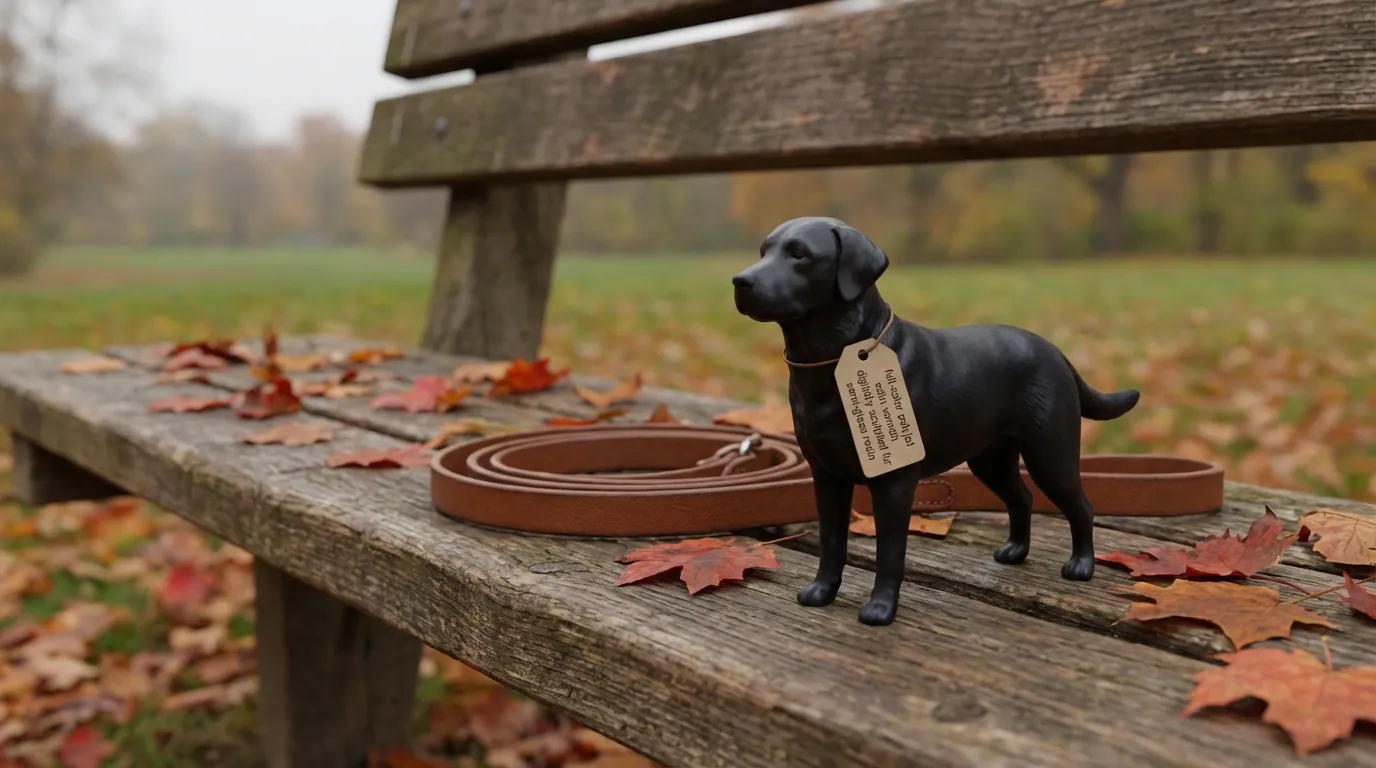
Some owners find comfort in carrying the leash in their pocket, even without the dog. It serves as a grounding object—a tactile reminder that the bond still exists. Others find the weight of the empty leash unbearable.There is no right answer, but there is a rule of thumb: Does the object bring you peace or panic? If touching the leash triggers a panic response, leave it at home. If it brings a somber comfort, keep it close.
Visualizing the Grief Timeline: The Walking Phase
Recovery isn't linear, but the physical adjustment to walking alone often follows a pattern. Here is what you might expect.
| Phase | Timeframe | Physical Sensation | Recommended Strategy |
|---|---|---|---|
| The Shock | Days 1-7 | Reaching for the leash; listening for nails on pavement. | Change the time of day you go outside. Avoid the "trigger" route. |
| The Ache | Weeks 2-4 | Heavy legs; lack of motivation to leave the house. | Commit to 10 minutes only. Bring headphones/audiobooks to fill the silence. |
| The Adjustment | Weeks 5-8 | Occasional "phantom" pulls; sadness seeing other dogs. | Return to your old route if you feel ready. Reclaim the space. |
| The Integration | Month 3+ | Walking feels like "me time" rather than "missing dog time." | Create a small ritual on the walk (e.g., touching a specific tree). |
Repurposing the Routine
The silence of a solo walk can be deafening. When you walk a dog, the conversation is constant, even if it's non-verbal. You're watching them sniff, checking for traffic, praising them. Without that focus, your mind is left to spin.
You need a new "job" for your walk.
1. The Audio Anchor
Silence is the enemy of the grieving mind in the early stages. Fill the void with podcasts or audiobooks—specifically ones that require focus. Music can sometimes be too emotional. A gripping mystery or a complex history podcast occupies the part of the brain that is trying to scan for squirrels.2. Photography Walking
Turn your walk into a creative mission. Decide that on today's walk, you are looking for "things that are red" or "interesting shadows." This forces your eyes up and out, shifting your perspective from internal grief to external observation.3. The "Hello" Walk
If you live in a friendly neighborhood, your dog was likely your social bridge. People stopped to say hello to the dog, not necessarily you. It can be isolating when those interactions stop.Challenge yourself to initiate a wave or a "good morning" to one person. It re-establishes your presence in the community as an individual, not just "Max's owner."
"We've seen families heal by holding something tangible. Grief needs an anchor, and sometimes that anchor is a physical reminder that their pet's spirit is still part of the home."
— The PawSculpt Team
The Social Gauntlet: "Where's Buddy?"
This is the part nobody warns you about. You're finally feeling strong enough to walk the old route, and a neighbor who hasn't seen you in a while stops their car.
"Hey! Where's the big guy today?"
It feels like a punch in the gut. You have to break the news, right there on the sidewalk, often to a casual acquaintance.
Preparation is your armor. Have a script ready so you don't have to search for words.
Option A (Short):* "We had to say goodbye last week. It's been tough, but I'm keeping the walking routine going."
Option B (Deflective):* "He passed away recently. I'm just getting some fresh air today."
Most people will offer quick condolences. If they press for details you aren't ready to share ("What happened? Was he sick?"), it is perfectly okay to say, "I'm not quite ready to talk about the details yet, but thank you for asking about him."
The "Shrine" at the Door
For many of us, the entryway is the hardest part of the house. It's where the leashes hung, where the muddy boots sat, where the dog waited for your return.
Instead of leaving this area as a painful void, many pet parents choose to transform it.
Some families we work with create a small, intentional space on the entry table. Instead of the chaotic pile of poop bags and leashes, they place a framed photo or a custom 3D printed figurine that captures their pet's alert, happy posture.
This changes the psychological trigger. Instead of looking at the empty floor where the dog should be, you look at the beautiful likeness on the table. You can touch the figurine's head—a small, grounding ritual—and say, "I'll be back," just like you used to. It acknowledges their presence in your life without emphasizing their absence from the room.
The Breed Factor: Why Labradors Leave a Bigger Hole
We need to talk about energy. All dogs leave a void, but high-energy working breeds—the Labrador, the Border Collie, the Boxer—leave a kinetic vacuum that is palpable.
If you owned a Lab, your walks weren't just strolls; they were management. You were constantly managing their energy, their nose, their enthusiasm. Your body was tense, ready, active.
When that high-octane energy is removed, the house doesn't just feel quiet; it feels dead.
For owners of these breeds, passive grieving (sitting on the couch) is often ineffective. Your body is used to movement. You might need to substitute the dog walk with something high-intensity, like running or cycling, to burn off the nervous energy that your body accumulated to manage your dog.
Common Pitfalls to Avoid
In our work with thousands of grieving pet owners, we see a few patterns that tend to prolong the pain.
1. The "Replacement" Walk
Some people immediately offer to walk a neighbor's dog. While well-intentioned, this can backfire. Walking a strange dog with different habits, a different gait, and different triggers can highlight exactly what you lost. "My dog never pulled like this," you might think. It's often better to walk alone for a while before holding a leash again.2. Avoiding the Outdoors
"I can't go out there, it reminds me of him." We get it. But sunlight and fresh air are critical for regulating serotonin. If you stay inside with the curtains drawn, you are denying your brain the biological tools it needs to process grief."Don't let the memory of your walks become a cage that keeps you inside."
3. Rushing the Clean-Up
Don't feel pressured to hide the leash, the bowl, or the bed immediately. If seeing the leash by the door makes you cry, move it. But if seeing it makes you feel like he's still part of the family, leave it. There is no hygiene code for grief.Finding Meaning in the Miles
Eventually, the walk changes. It shifts from a painful reminder of loss to a time of communion. You might find yourself smiling at a squirrel your dog would have chased, rather than crying.
You might start noticing the changing seasons in a way you couldn't when you were focused on leash manners.
And one day, you might find that the leash isn't in your pocket anymore, but the memory of the walk is safe in your heart. You are walking with them, just in a different way.
Frequently Asked Questions
Is it normal to still hear my dog's nails on the floor?
Absolutely. This is a form of sensory hallucination that is incredibly common in the grieving process. Your brain's "prediction engine" is still running the old software, expecting the sound of clicking nails or the jingle of tags. It is not a sign of mental instability; it is a sign of how deeply your life was intertwined.How soon should I walk a new dog after losing my pet?
This is personal, but be wary of the "rebound" effect. If you borrow a friend's dog or get a new puppy too quickly, you may find yourself resenting the new dog for not being the old one. If the new dog pulls or barks, and your old dog didn't, it can trigger frustration. Wait until you can appreciate a dog for who they are, not who they aren't.Why do I feel guilty walking without my dog?
Guilt is the thief of healing. You might feel that enjoying the sunshine or a cool breeze is a betrayal because your dog isn't there to enjoy it too. Try to reframe this: Your dog was your companion in health. They would not want their absence to be the cause of your decline. Walking is an act of survival, and there is no shame in surviving.Should I keep my dog's collar and leash?
Most people do. Some keep them in a drawer, while others incorporate them into a memorial. We've seen beautiful displays where the collar is draped over a frame or placed next to a custom pet figurine. Do what feels right for you. If looking at them hurts too much right now, put them in an opaque box in the closet. You can always take them out later.Ready to Celebrate Your Pet?
Every pet has a story worth preserving. Whether you're honoring a beloved companion who's crossed the rainbow bridge or celebrating your furry friend's unique personality, a custom PawSculpt figurine captures those details that make your pet one-of-a-kind.
Free instant AI preview • 3D artist preview within 7 days • 5 free revisions